
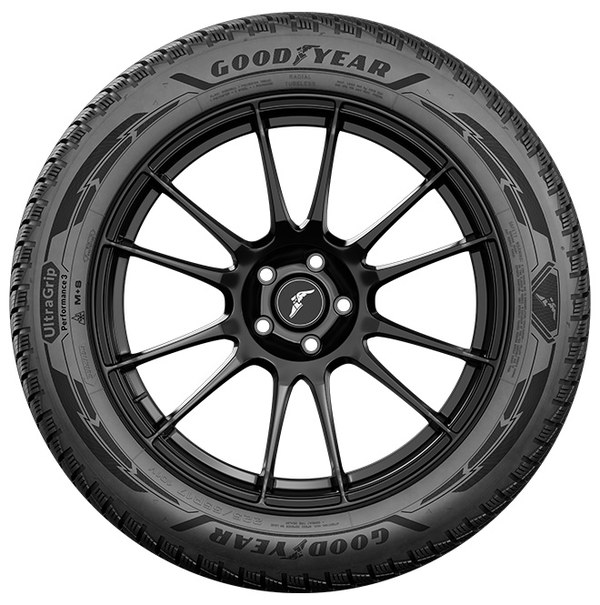
If you live somewhere with real seasons, you change your tyres twice a year. The question is how. Some drivers keep one set of wheels and pay a garage to remove the tyres from the rims and fit the other set. Others buy a second set of rims with the winter tyres already mounted, so a changeover is just a matter of swapping whole wheels.
Neither is the right answer for everyone. This guide compares them, lists what to check before you decide and finishes with a storage checklist so that your off-season tyres stay in good condition. Product details are taken from the Reifendirekt shops, which sell tyres, rims and complete wheels, but the decision framework is general.
See Tyres and Wheels at Reifendirekt
In this guide
Option 1: Swap the Tyres on Your Rims
With this approach you own one set of rims. In spring and autumn a garage removes the tyres from the rim, fits the other tyres and balances the wheel. It is the cheapest in purchase price, because you only buy tyres.
- Pros: lowest upfront cost, nothing bulky to store except loose tyres.
- Cons: the fitting and balancing cost comes back twice a year, and repeated removal can wear the tyre bead and the rim edge.
- Best for: low-mileage drivers or anyone with limited storage.
Option 2: A Second Set of Complete Wheels
Here you buy a second set of rims with tyres mounted and balanced. The Austrian Reifendirekt site says it offers alloy and steel rims and complete wheels that you can put together yourself. Check the Swiss shop for the current range. On changeover day the garage, or you, simply bolts one set on and the other comes off.
- Pros: faster and usually cheaper per changeover, less handling of the tyres, and your good alloys stay out of winter salt if you choose steel rims for the cold months.
- Cons: higher upfront cost and four more wheels to store.
- Best for: higher-mileage drivers or anyone who changes tyres every year.
Side-by-Side Comparison
| Factor | Swap tyres on one rim set | Second set of complete wheels |
|---|---|---|
| Upfront cost | Tyres only | Tyres plus rims |
| Cost per changeover | Dismount, fit and balance | Usually wheel swap only |
| Wear on tyre bead | More handling | Less handling |
| Storage | Four loose tyres | Four complete wheels |
| Time at the garage | Longer | Shorter |
| Flexibility | Fixed rim size | You can choose a different rim size, if your car allows |
The brand does not publish a break-even point, and it would depend on your garage’s prices. As a rough exercise, ask your garage what a changeover costs, multiply by the number of years you plan to keep the car, and compare the total with the price of a set of rims.
Check Before You Buy Rims
A second set of wheels must fit your car. Take these points to the shop or the configurator:
- Approved rim sizes and offset for your model, listed in the registration papers or the vehicle manual.
- Tyre size that matches the approved combination.
- Bolt pattern and centre bore.
- Whether your car has tyre pressure sensors that need to be transferred or replaced.
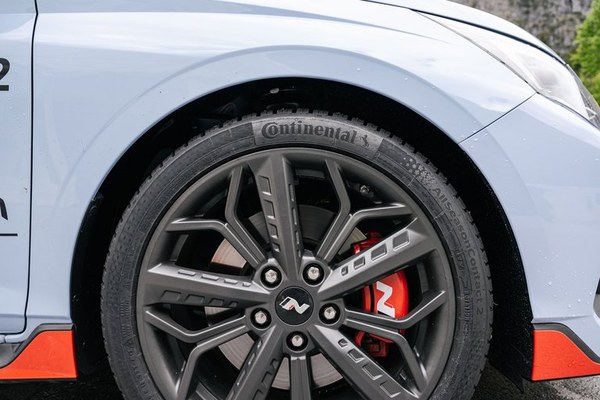
- Clearance for the brakes. The wheel in the image above shows a large brake caliper, which is a good reminder that spokes and rim diameter must leave room.
The Reifendirekt configurator on the Austrian site lets you pick the make, model and type of your vehicle and shows the matching tyres. It also lets you sort by manufacturer, price or speed index and restrict results to features such as run-flat tyres or rim protection. The site also mentions customer and expert reviews.
Open the Reifendirekt Configurator
Pick the Right Tyre for the Season
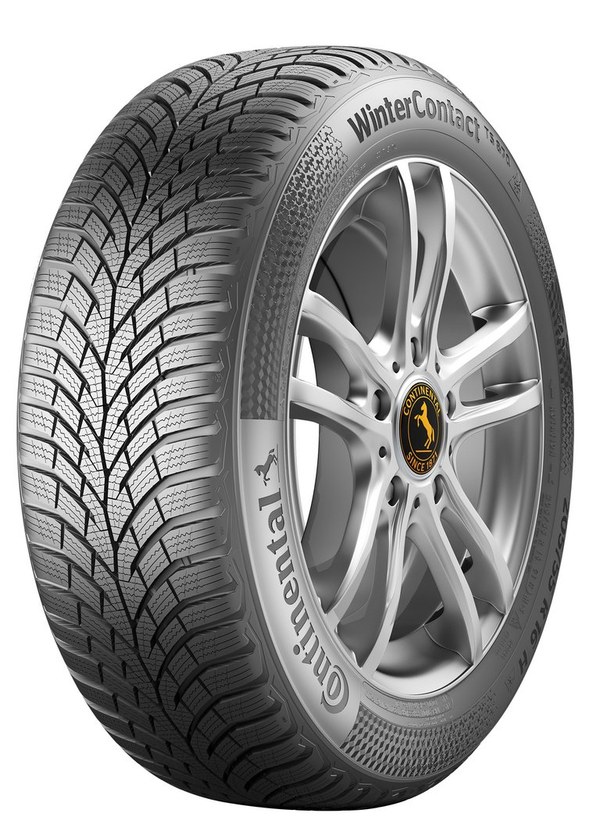
For winter, Reifendirekt.ch states that only tyres with the snowflake symbol, known as 3PMSF, are approved for snow, ice and slush, and that a winter tyre obligation applies in wintry conditions in Switzerland and many other countries. For summer, the shop recommends summer tyres, which it describes as having a harder rubber compound for lower rolling resistance and lower fuel consumption.

Whichever set you buy, check the EU tyre label. It is mandatory on tyres produced since 1 November 2012 and shows rolling resistance, wet grip and noise. The shop explains that category A is best for rolling resistance and wet grip. Also check tread depth: the brand states a 1.6 mm legal minimum and recommends 3 mm for summer and 4 mm for winter tyres.
When to Change
There is no single date. Many drivers switch when daytime temperatures stay consistently low in autumn, and back again when they stay mild in spring. A practical approach is to book your changeover slot early, since garages fill up quickly during the first cold snap. Check the legal requirements for your country, which may include dates or conditions.
Storage Checklist for the Off-Season Set
- Clean the tyres and wheels before storing them. Brake dust and road salt are not good to leave sitting.
- Check the tread depth and sidewalls and make a note of anything that needs attention.
- Mark each wheel with its position, such as front left, so you can rotate sensibly next season.
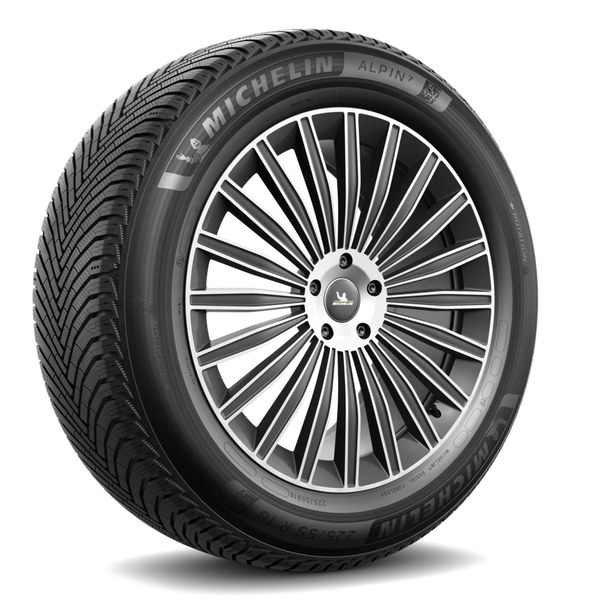
- Store complete wheels lying flat, stacked, or hanging by the rim. Loose tyres without rims are normally stored standing upright.
- Choose a cool, dry, dark place away from direct sunlight, heat and chemicals such as oil and solvents.
- Check the pressure before refitting and again after the first drive.

Which Option Should You Choose?
If you drive little, have no space and are happy to pay for a changeover twice a year, swapping tyres on one set of rims is fine. If you change tyres every year, want the process to be quick, or want a dedicated steel set for winter, a second set of complete wheels is easier to live with. Start by pricing both options for your car size and then decide.
You can browse tyres in your size at the Reifendirekt shop, compare prices per piece, and check delivery options. According to the brand, shipping is free from two tyres, and the prices shown include VAT and delivery within the country. If you do not know your tyre size, use the tyre finder and then compare the seasonal tyre offers side by side.
Information was taken from reifendirekt.ch and reifendirekt.at on 26 October 2026 and may change. This guide is general advice and is not a substitute for your vehicle manufacturer’s recommendations. Some links in this article are affiliate links, which means we may earn a commission at no extra cost to you.
