
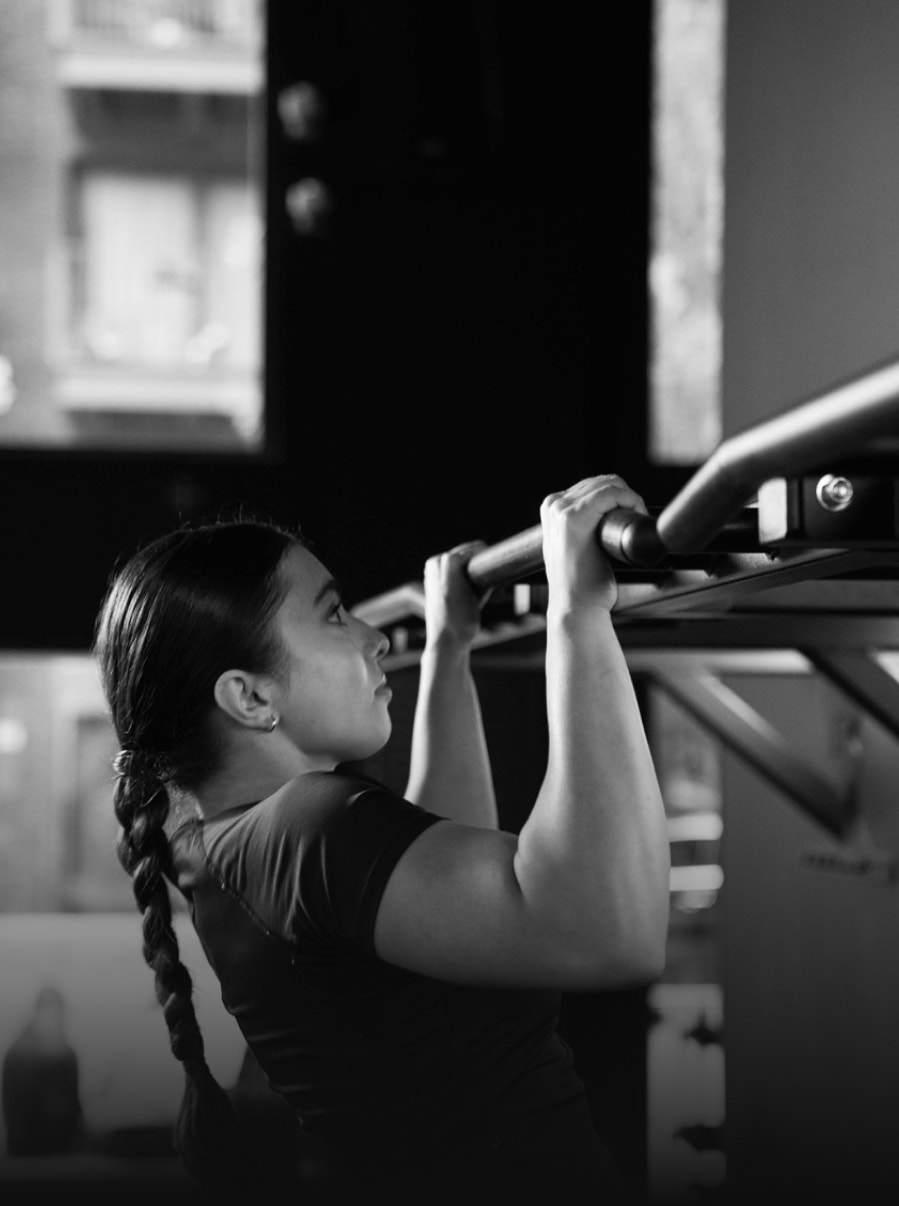
Strength training is one of the most rewarding habits you can build for your body and your confidence.
Lifting weights is not only for bodybuilders or athletes.
It can help everyday people feel stronger, move better and enjoy a more active lifestyle.
If you have never picked up a barbell before, the gym can feel intimidating at first.
The good news is that a simple, consistent plan is far more effective than a complicated one.
This guide explains how to get started, how to structure your first weeks and how sports nutrition from Bulk can support your routine.
Why Strength Training Is Worth Your Time
Building strength makes daily tasks easier, from carrying shopping bags to climbing stairs.
Regular resistance exercise supports muscle tone and helps maintain muscle as we get older.
Many people also find that training improves their posture and overall sense of wellbeing.
Strength sessions can be short and still effective, which makes them easier to fit into a busy week.
You do not need to train every day to notice progress.
Two or three well planned sessions per week are enough for most beginners.
Set a Clear and Realistic Goal
Before your first session, think about what you want to achieve.
Some people want to build visible muscle, while others simply want to feel stronger and fitter.
You may want to improve your performance in another sport or feel more confident in the gym.
A clear goal helps you choose the right exercises and stay motivated.
Keep your first goal realistic, such as training twice a week for eight weeks.
Small wins build momentum and make the habit easier to keep.
Learn the Basic Movement Patterns
Most effective strength programmes are built around a handful of key movements.
Squats train the legs and hips.
Hinges, such as deadlifts and hip thrusts, work the back of the body.
Pushing movements, such as push-ups and presses, train the chest, shoulders and arms.
Pulling movements, such as rows and pull-downs, strengthen the back.
Carries and core exercises help you stay stable and balanced.
Focusing on these patterns gives you a full body workout without needing dozens of different machines.
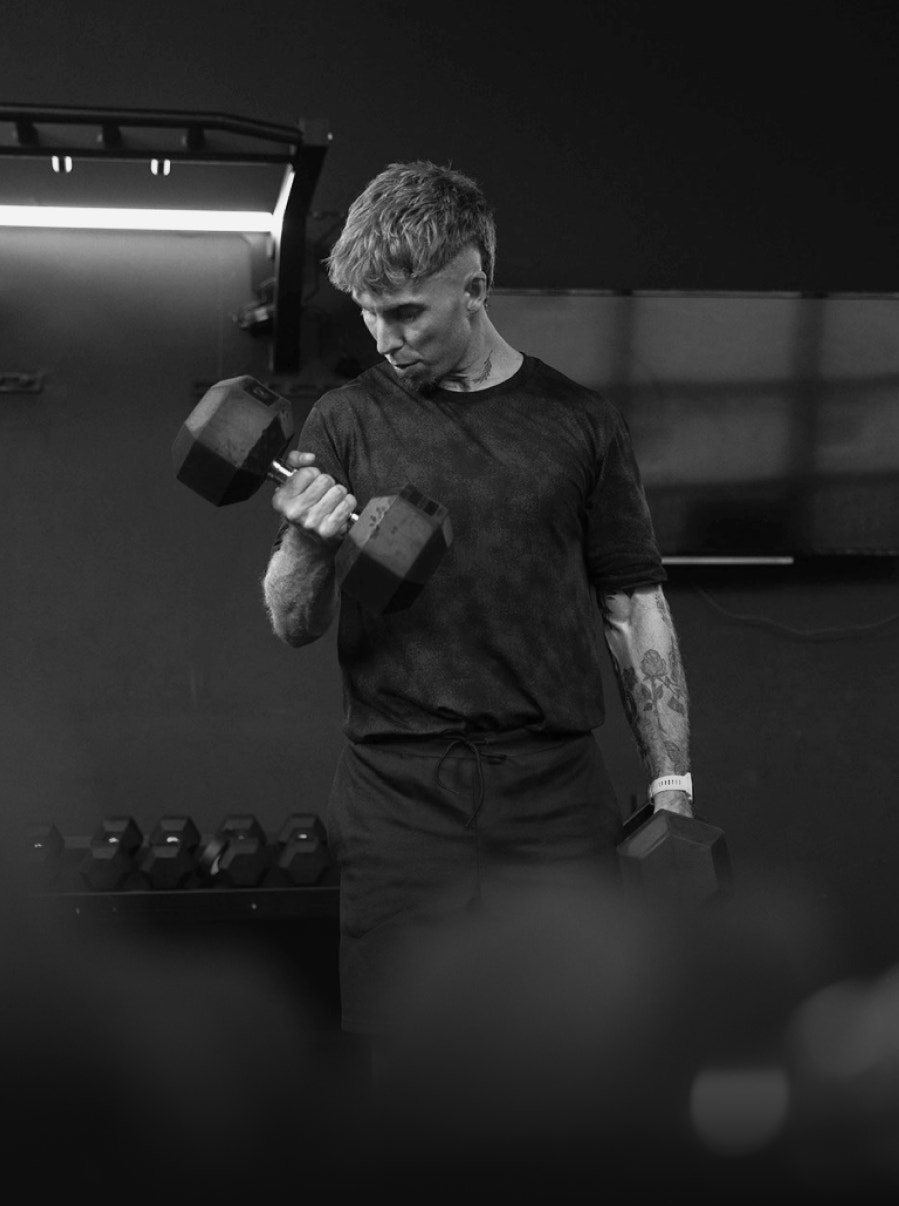
Start Light and Focus on Technique
Good technique is more important than the amount of weight on the bar.
Begin with bodyweight versions or light dumbbells while you learn each movement.
Move slowly and with control rather than rushing through repetitions.
If possible, ask a qualified coach or gym instructor to check your form.
Filming yourself on your phone can also help you spot mistakes.
Once a movement feels comfortable, you can gradually add more weight.
Follow a Simple Weekly Plan
A full body routine two or three times per week works well for most beginners.
Each session can include one exercise for each main movement pattern.
Aim for around two to four sets of eight to twelve repetitions per exercise.
Rest for one to two minutes between sets so you can keep your technique sharp.
Leave at least one rest day between sessions to give your muscles time to recover.
Write down what you lift so you can track your progress each week.
Use Progressive Overload
Your body adapts when it is challenged a little more over time.
This principle is known as progressive overload.
You can add a small amount of weight, complete an extra repetition or add another set.
Increase the challenge gradually rather than making big jumps.
If your technique starts to break down, the weight is probably too heavy.
Patience is key, because steady progress is more sustainable than quick changes.
Do Not Skip the Warm-Up
A good warm-up prepares your muscles and joints for training.
Start with five minutes of light cardio, such as cycling or brisk walking.
Follow this with mobility exercises for the hips, shoulders and spine.
Complete one or two lighter sets of your first exercise before your working sets.
Warming up can help you feel more prepared and move more comfortably.
Support Your Training With Good Nutrition
What you eat plays a big role in how you feel and recover.
Protein is an important nutrient for maintaining and building muscle.
Good sources include meat, fish, eggs, dairy, beans and lentils.
Carbohydrates provide energy for your sessions, while healthy fats support a balanced diet.
Many people find it difficult to reach their protein needs through meals alone.
Convenient options such as protein powders, protein bars and ready-to-drink shakes can help fill the gap.
Supplements should complement a balanced diet rather than replace real food.
Rest and Recovery Matter Too
Muscles grow and adapt when you rest, not only when you train.
Aim for regular, good quality sleep every night.
Stay hydrated throughout the day, especially on training days.
Light activity such as walking or stretching can help on rest days.
If you feel very sore or tired, take an extra rest day rather than pushing through.
Listening to your body helps you train consistently in the long term.
Common Beginner Mistakes to Avoid
Trying to lift too heavy too soon is one of the most common mistakes.
Changing your programme every week can also slow your progress.
Skipping leg or back exercises can lead to an unbalanced routine.
Comparing yourself with experienced lifters on social media can be discouraging.
Remember that everyone starts somewhere, and consistency matters more than perfection.
Explore Sports Nutrition From Bulk
Bulk is a UK sports nutrition brand offering products for people at every stage of their fitness journey.
Its range includes protein powders, creatine, pre-workout formulas, protein bars, vitamins and healthy snacks.
There are options to suit different goals, flavours and dietary preferences, including vegan products.
Whether you are just starting out or already training regularly, you can find products to support your routine.
Always check product labels and follow the recommended serving guidance.
If you have a medical condition, speak to a healthcare professional before using supplements.
Final Thoughts
Starting strength training does not need to be complicated.
Learn the basic movements, start light and focus on good technique.
Follow a simple plan, add challenge gradually and give your body time to recover.
Combine your training with balanced meals and helpful products from Bulk to support your goals.
With patience and consistency, you can build strength and confidence one session at a time.
