
Introduction
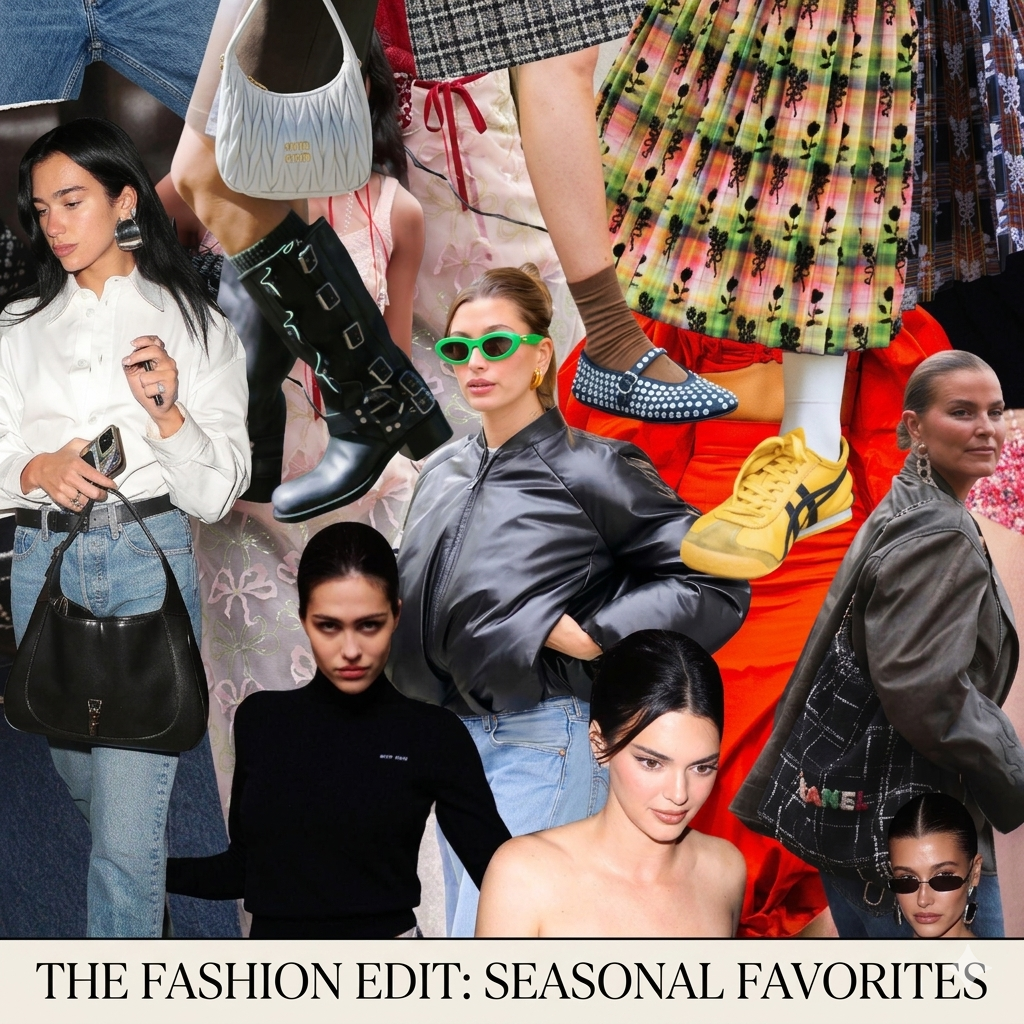
Fashion and entertainment have always gone hand in hand, but today, pop culture outfits influence style more than ever before. From celebrity red carpet appearances to viral social media trends and unforgettable movie wardrobes, pop culture constantly shapes what people wear in everyday life. Whether it’s oversized streetwear inspired by musicians, vintage aesthetics from classic TV shows, or glamorous looks copied from celebrities, these fashion moments quickly become global trends.
The rise of digital platforms has made style inspiration more accessible, allowing fans to recreate iconic outfits within minutes of seeing them online. Pop culture doesn’t just reflect fashion trends anymore—it creates them. As trends move faster than ever, understanding the influence of pop culture on fashion helps explain why certain styles dominate each season.
How Celebrities Influence Everyday Fashion
Pop Culture Outfits, The Fashion Trends Shaping Every GenerationCelebrities have become some of the biggest trendsetters in the fashion world. Fans often look to actors, musicians, athletes, and influencers for inspiration when building their own personal style. What celebrities wear on social media, at events, or even casually while walking through airports can instantly become a major trend.
Stars like Zendaya and Taylor Swift regularly shape fashion conversations with their carefully styled looks. Whether it’s oversized blazers, vintage dresses, or coordinated monochrome outfits, celebrity fashion quickly spreads across TikTok, Instagram, and Pinterest.
Street style photography has also played a major role in the popularity of pop culture outfits. Fans enjoy seeing how celebrities dress outside formal events because the outfits often feel more realistic and wearable. Casual combinations like hoodies with designer bags or sneakers paired with tailored coats become easy-to-copy trends for everyday fashion lovers.
Luxury brands also collaborate with celebrities to market clothing collections directly tied to their public image. When famous personalities wear certain styles repeatedly, those items often sell out within hours. This connection between fame and fashion keeps celebrity-inspired outfits at the center of pop culture trends worldwide.
The Impact of Movies and TV Shows on Fashion
Movies and television have influenced fashion for decades, creating iconic looks that continue inspiring designers and fans long after release. Costumes are no longer just part of storytelling—they’ve become essential parts of fashion culture.
Shows like Euphoria introduced bold makeup, colorful clothing, and experimental styling to younger audiences. Meanwhile, nostalgic series such as Friends continue influencing casual fashion with vintage denim, oversized sweaters, and minimalist 1990s aesthetics.
Film wardrobes often define entire eras of style. From glamorous gowns in classic Hollywood movies to edgy leather jackets in action films, audiences connect emotionally with the clothing worn by their favorite characters. Fashion brands frequently recreate these iconic styles because fans want to capture the same confidence and personality associated with the characters.
Streaming services have made this influence even stronger. Popular shows release globally within days, allowing trends to spread faster than ever. Social media platforms are filled with tutorials explaining how to recreate famous TV and movie outfits using affordable alternatives.
Pop culture outfits inspired by entertainment media help people express identity, nostalgia, and creativity. They allow fans to feel connected to fictional worlds while incorporating recognizable fashion elements into their everyday wardrobes.
Music Culture and Streetwear Trends
Music has always shaped fashion, but modern artists now influence entire global style movements. Genres like hip-hop, pop, punk, and K-pop all contribute unique fashion aesthetics that fans adopt worldwide.
Hip-hop culture, for example, transformed oversized clothing, sneakers, chains, and luxury streetwear into mainstream fashion staples. Artists like Kanye West played a major role in merging music and fashion through brand collaborations and trend-setting outfits.
K-pop has also become a powerful influence on global fashion. Groups such as BTS introduced bold layering, colorful streetwear, and gender-fluid styling to international audiences. Their influence reaches far beyond music, inspiring millions of fans to experiment with fashion in more creative ways.
Concert fashion has become another important part of pop culture outfits. Fans now carefully plan themed outfits for music festivals and tours, often inspired by artists’ album aesthetics or stage costumes. Social media encourages people to share these looks online, turning concert fashion into a trend of its own.
Streetwear brands frequently collaborate with musicians because their audiences strongly connect style with identity and music culture. Limited-edition merchandise, sneakers, and designer collaborations continue blurring the line between fashion and entertainment.
As music evolves, so do the trends surrounding it. Fashion remains one of the strongest visual expressions of musical influence in pop culture today.
Social media completely changed how fashion trends spread across the world. In the past, trends developed slowly through magazines and runway shows. Now, a single viral post can turn an outfit into an international sensation overnight.
Platforms like TikTok and Instagram have become central to discovering pop culture outfits. Influencers recreate celebrity looks, review fashion trends, and introduce new aesthetics to millions of viewers daily. Viral “core” trends such as Barbiecore, Y2K fashion, and quiet luxury all gained popularity largely because of social media exposure.
Fashion challenges and outfit videos also encourage users to participate directly in trends rather than simply observing them. This interactive element helps trends spread faster and feel more personal.
Another major factor is accessibility. People no longer need expensive designer wardrobes to participate in fashion trends. Fast-fashion brands quickly produce affordable versions of celebrity-inspired outfits, allowing wider audiences to join the trend cycle.
Social media algorithms reward visually striking content, which is why bold fashion statements often dominate online spaces. Bright colors, oversized silhouettes, vintage accessories, and dramatic styling are especially effective for attracting attention online.
The speed of digital culture means fashion trends now evolve rapidly, but it also allows individuals to experiment with different aesthetics more freely. Pop culture outfits have become part of everyday online self-expression.
Why Nostalgia Fashion Keeps Returning
Fashion trends are often cyclical, which explains why nostalgic styles repeatedly return to mainstream culture. Many of today’s biggest trends are inspired by past decades, especially the 1990s and early 2000s.
Younger generations are embracing vintage-inspired outfits because they offer something different from modern minimalism. Baggy jeans, cargo pants, tiny sunglasses, and colorful accessories all reflect nostalgia-driven fashion movements currently dominating social media.
Movies, celebrity archives, and vintage television reruns continue fueling interest in older aesthetics. Fashion lovers enjoy mixing retro elements with modern styling to create unique looks that feel both familiar and fresh.
Nostalgia also creates emotional connections. Wearing styles associated with childhood memories, iconic celebrities, or classic films allows people to reconnect with certain moments in pop culture history.
Brands understand this appeal and frequently relaunch vintage-inspired collections or archive designs from earlier decades. Y2K fashion, in particular, has made a huge comeback through metallic fabrics, rhinestones, mini skirts, and sporty silhouettes.
Pop culture outfits rooted in nostalgia prove that fashion constantly reinvents itself. Older trends may disappear temporarily, but they often return with updated styling and renewed cultural relevance.
Conclusion
Fashion and entertainment are more connected today than ever before. From celebrity streetwear and music-inspired trends to iconic movie costumes and viral TikTok aesthetics, pop culture outfits continue shaping the way people dress around the world. Social media has accelerated trend cycles, while nostalgia keeps older styles relevant for new generations.
The influence of pop culture goes beyond clothing—it reflects identity, creativity, and cultural moments that people want to be part of. Whether someone prefers vintage-inspired fashion, luxury streetwear, or celebrity-inspired looks, pop culture offers endless inspiration for personal style. As trends continue evolving online and offline, pop culture fashion will remain one of the strongest forces influencing modern wardrobes.
FAQs
What are pop culture outfits?
Pop culture outfits are fashion styles inspired by celebrities, movies, TV shows, music artists, and viral social media trends.
Why do celebrities influence fashion trends?
Celebrities have large audiences and strong media visibility, making their clothing choices highly influential in shaping mainstream style.
Social media allows trends to spread globally within hours, making fashion more interactive, fast-moving, and accessible.
Why is Y2K fashion popular again?
Y2K fashion has returned because nostalgia trends appeal to younger audiences looking for bold and playful styles from the early 2000s.
Which TV shows have influenced fashion recently?
Shows like Euphoria and Friends have strongly influenced modern fashion aesthetics.
