

Choosing the right food for your cat is an important part of everyday pet care.
One of the most common questions among cat owners is whether wet food or dry food is the better option.
Both have advantages, and the right choice depends on your cat’s age, preferences, nutritional requirements and lifestyle.
Understanding the differences can help you create a practical feeding routine.
What Is Wet Cat Food?
Wet cat food contains a high percentage of moisture and is usually available in cans, trays or pouches.
Its soft texture and stronger aroma can make it appealing to cats that prefer moist meals.
One of its main advantages is that it contributes water through food.
This can be particularly helpful for cats that do not drink much water independently.
What Is Dry Cat Food?
Dry cat food comes in small pieces commonly known as kibble.
It contains much less moisture than wet food and is generally easier to store.
Dry food is convenient for measuring portions and can remain fresh longer after opening when stored correctly.
Because it contains less water, it is also more concentrated in calories by weight.
This makes portion control especially important.
Compare Hydration Benefits
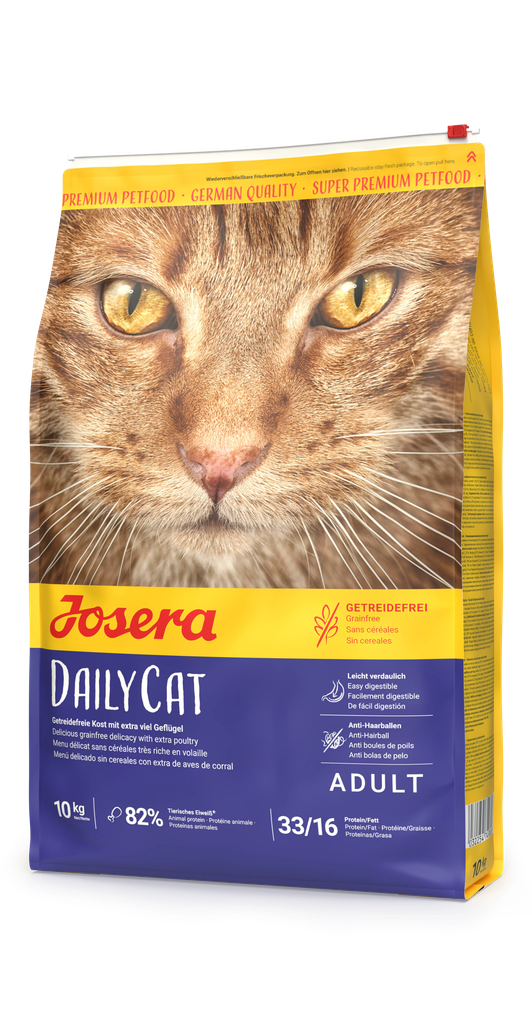
Hydration is one of the biggest differences between wet and dry cat food.
Cats naturally obtain some of their water from food.
Wet food contributes significantly more moisture than dry kibble.
However, cats eating either type of food should always have access to fresh drinking water.
Placing water bowls in several quiet locations may encourage drinking.
Consider Nutritional Balance
The most important factor is whether the food provides complete and balanced nutrition.
Look for products labelled as complete cat food and suitable for your cat’s life stage.
A complete food is formulated to provide the essential nutrients your cat requires when fed according to the instructions.
Both wet and dry food can meet these requirements.
Ingredient quality and nutritional composition matter more than texture alone.
Think About Your Cat’s Preferences
Cats can be particular about food.
Some prefer crunchy kibble, while others enjoy soft textures and stronger aromas.
Age, previous feeding experiences and individual preferences can influence what your cat accepts.
If your cat is reluctant to eat a new food, introduce changes gradually rather than suddenly replacing its usual meals.
Persistent appetite changes should be discussed with a veterinarian.
Which Option Is More Convenient?
Dry food is generally convenient for storage and portioning.
It can be useful for owners who prefer measured meals or feeding puzzles.
Wet food requires more attention after opening because it spoils faster.
Unused portions should be stored according to the manufacturer’s instructions.
Neither option is automatically better. Consider what works for your cat and your daily schedule.
Can You Mix Wet and Dry Cat Food?
Yes, many cat owners choose mixed feeding.
This involves including both wet and dry food in the daily routine.
For example, you might offer wet food at one mealtime and dry food at another.
The important point is to calculate the combined daily portions correctly.
Giving the full recommended amount of both foods could result in excessive calorie intake.
Pay Attention to Portion Sizes
Feeding recommendations provide a useful starting point.
However, individual requirements vary according to age, activity, body condition and whether your cat has been neutered.
Measure portions rather than relying on guesswork.
Treats should also be included when considering total daily intake.
Your veterinarian can help if you are unsure about appropriate feeding amounts.
Wet and Dry Cat Food From Josera
Josera offers a selection of wet and dry cat food developed for different life stages and nutritional needs.
Its dry food range includes products such as Culinesse, NatureCat and Marinesse.
Its wet food selection includes recipes featuring chicken, turkey, duck and beef.
Josera also provides feeding guidance for owners interested in combining wet and dry food.
When comparing products, check the ingredients, nutritional information and recommended daily portions.
Make Food Changes Gradually
Cats often prefer familiar foods and textures.
If you decide to introduce wet food, dry food or a combination of both, make the transition gradually.
Begin with small amounts of the new food and monitor your cat’s appetite and digestion.
Avoid leaving mixed or moistened food sitting in the bowl for extended periods.
If your cat refuses food or develops persistent digestive symptoms, seek veterinary advice.

Final Thoughts
Wet and dry cat food both have advantages.
Wet food contributes more moisture, while dry food offers convenient storage and easy portioning.
The best choice depends on your cat’s individual needs and preferences.
Josera provides both options, allowing owners to explore different feeding approaches.
Whatever you choose, focus on complete nutrition, appropriate portions, fresh drinking water and regular veterinary care.
