
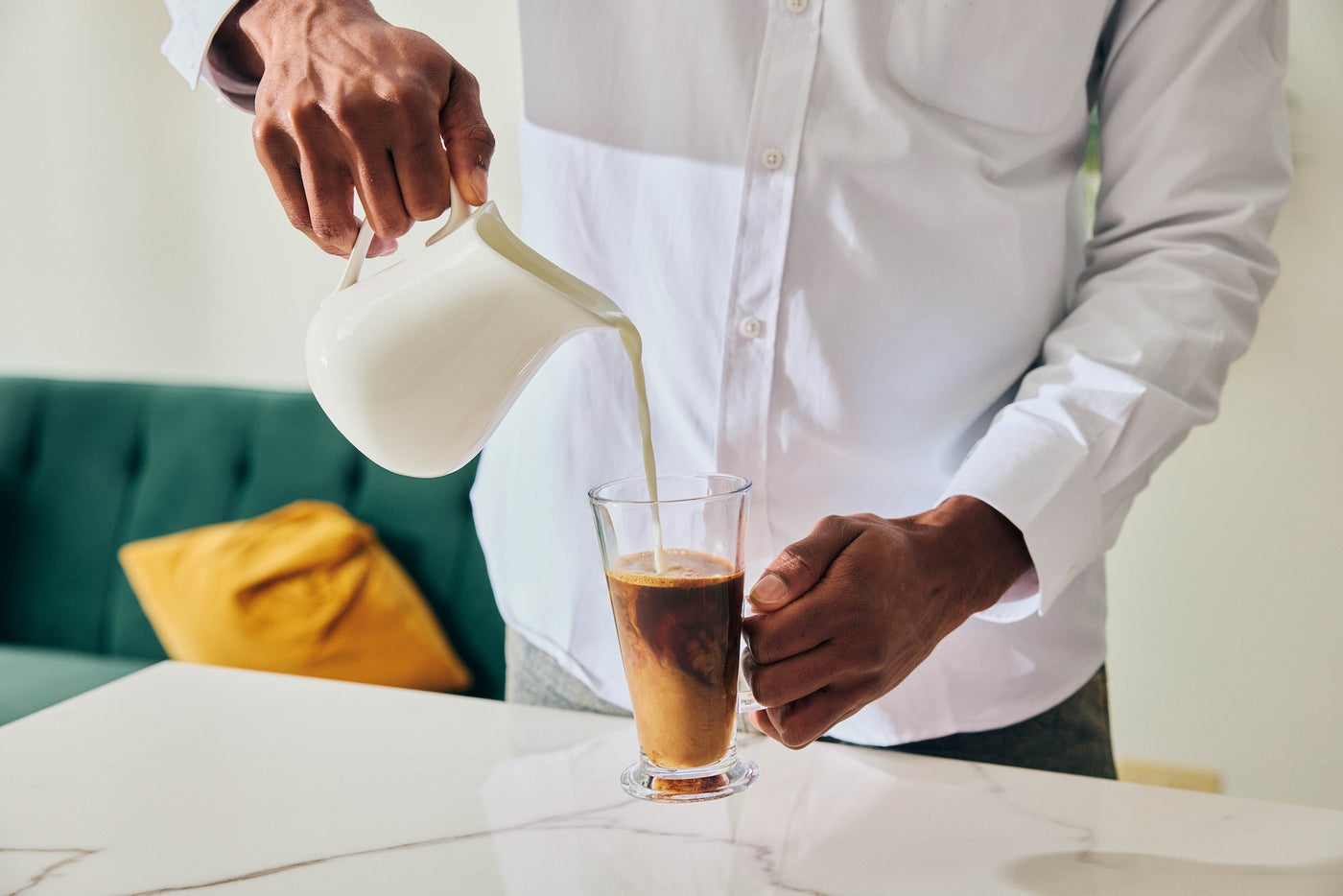
For many of us, the day does not really start until the first cup of coffee.
Caffeine can help us feel more alert, and the ritual of a warm drink is comforting.
But it is easy for one coffee to become three or four, plus energy drinks or fizzy drinks in the afternoon.
Too much caffeine can leave some people feeling jittery, anxious or unable to sleep properly.
The good news is that you can cut back without feeling foggy or losing your productivity.
This guide shares practical tips for reducing caffeine and explains how Spacegoods can fit into a more balanced routine.
How Much Caffeine Is Too Much?
Health authorities generally suggest that most healthy adults can have up to around 400 milligrams of caffeine a day.
That is roughly the amount in four mugs of instant coffee, although strength varies a lot.
A large coffee shop drink can contain far more caffeine than a homemade cup.
Pregnant people are usually advised to limit caffeine to 200 milligrams a day.
Some people are more sensitive than others and notice effects at much lower amounts.
Tea, cola, energy drinks, chocolate and some medicines also contain caffeine, so it all adds up.
Signs You Might Want to Cut Back
You may feel restless, shaky or on edge after your usual drinks.
Your heart might race, or you may notice a stomach upset.
Difficulty falling asleep or waking during the night can be linked to caffeine later in the day.
Some people find they crash in the afternoon and reach for more caffeine to keep going.
If you get headaches when you miss your morning coffee, your body may have become used to a regular dose.
Cut Down Gradually
Stopping caffeine suddenly can lead to headaches, tiredness and low mood for a few days.
A gradual approach is usually much easier.
Try removing one caffeinated drink every few days.
You could also switch to a smaller cup or make your coffee slightly weaker.
Mixing regular coffee with decaf is a simple way to lower your intake without changing your routine.
Give your body a couple of weeks to adjust before deciding whether to cut back further.
Set a Caffeine Curfew
Caffeine can stay in your system for several hours after your last drink.
Having coffee in the mid afternoon may still affect your sleep at night.
Many people find it helpful to stop caffeine by around lunchtime or early afternoon.
Swap afternoon coffees for water, herbal tea or a low caffeine alternative.
Better sleep often leads to more natural energy the next day, which reduces the need for caffeine.

Keep the Ritual, Change the Drink
For many people, the habit of making a warm drink matters as much as the caffeine itself.
You do not have to give up the comfort of a morning or evening mug.
Decaf coffee, herbal teas and caffeine free hot drinks can offer the same cosy ritual.
Lower caffeine options, such as blends that combine a smaller amount of coffee with other ingredients, can also help.
Frothing milk or a plant based alternative can make any drink feel like a café treat.
Experiment with flavours such as cinnamon, vanilla or cacao to keep things interesting.
Support Your Energy Naturally
Caffeine is not the only way to feel more alert.
Drinking enough water helps, because even mild dehydration can leave you feeling tired.
Eating balanced meals with protein, fibre and healthy fats can help keep energy levels steady.
A short walk outdoors, especially in daylight, can lift your mood and sharpen your focus.
Regular movement breaks during the working day help prevent the afternoon slump.
Getting enough good quality sleep is one of the most effective ways to feel more energised.
Build Focus Habits
Good habits can help you concentrate without relying on stimulants.
Plan your most demanding tasks for the time of day when you naturally feel sharpest.
Work in focused blocks with short breaks in between.
Keep your phone out of reach to reduce distractions.
Write a simple to-do list each morning so you know where to start.
A tidy, well lit workspace can also make it easier to stay on task.
Caffeine appears in more places than many people realise.
Energy drinks, some soft drinks and pre-workout products can contain high amounts.
Green tea, black tea and matcha also contain caffeine, although usually less than coffee.
Dark chocolate and some cold and flu remedies may add more.
Reading labels helps you understand how much you are really having.
Be Patient With Yourself
Changing a daily habit takes time.
You may feel a little more tired for the first week or two as your body adjusts.
Notice the positive changes, such as calmer mornings, steadier energy and better sleep.
If you have a slip and enjoy an extra coffee, simply carry on with your plan the next day.
If you have a health condition or take medication, speak to a healthcare professional before making big changes to your diet.
Discover Spacegoods
Spacegoods is a UK wellness brand offering functional drinks and supplements for everyday routines.
Its popular Rainbow Dust is a mushroom coffee blend that combines coffee with ingredients such as lion’s mane and other functional mushrooms.
The range also includes Matcha Dust, Hydro Dust electrolyte drinks and Sleep+ Magnesium for evening routines.
There are oat mushroom lattes, frothers and mugs to help you enjoy a café style drink at home.
These products can be a simple way to keep your favourite ritual while rethinking how much caffeine you have.
Always check the label for caffeine content and serving guidance.
Final Thoughts
Cutting down on caffeine does not mean giving up your favourite moments of the day.
Reduce your intake gradually, set a sensible cut-off time and keep the comforting ritual of a warm drink.
Support your energy with water, good food, daylight, movement and quality sleep.
With thoughtful options from Spacegoods, you can build a calmer, more balanced routine that still helps you feel focused.
