
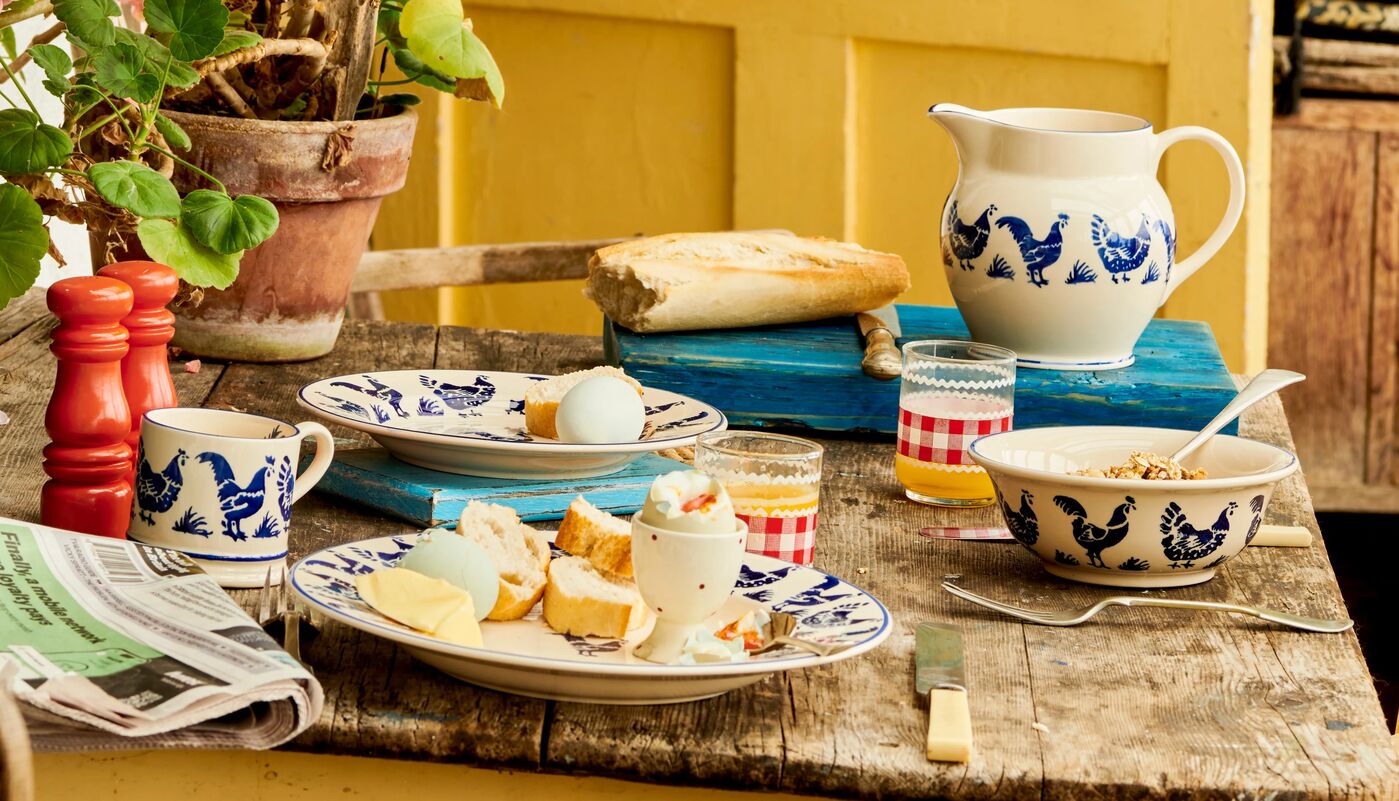
A favourite mug or a well loved set of plates can become part of family life for decades.
Pottery is made to be used every day, but a little care goes a long way in keeping it looking fresh, bright and free from chips.
Whether you have just bought your first piece or you have a dresser full of treasured patterns, knowing how to wash, store and handle your pottery will help it last.
This guide covers the everyday habits that make the biggest difference, with practical tips based on advice from Emma Bridgewater, the Stoke-on-Trent pottery known for its hand-decorated earthenware.
Know What Your Pottery Is Made Of
Different types of pottery need slightly different care, so it helps to know what you own.
Earthenware is fired at a lower temperature than stoneware or porcelain and is protected by a glaze that seals the surface.
Stoneware is denser and very hard-wearing, while porcelain and bone china are finer and more delicate.
Emma Bridgewater pottery, for example, is made from cream-coloured earthenware in its factory in Stoke-on-Trent, the traditional home of British pottery.
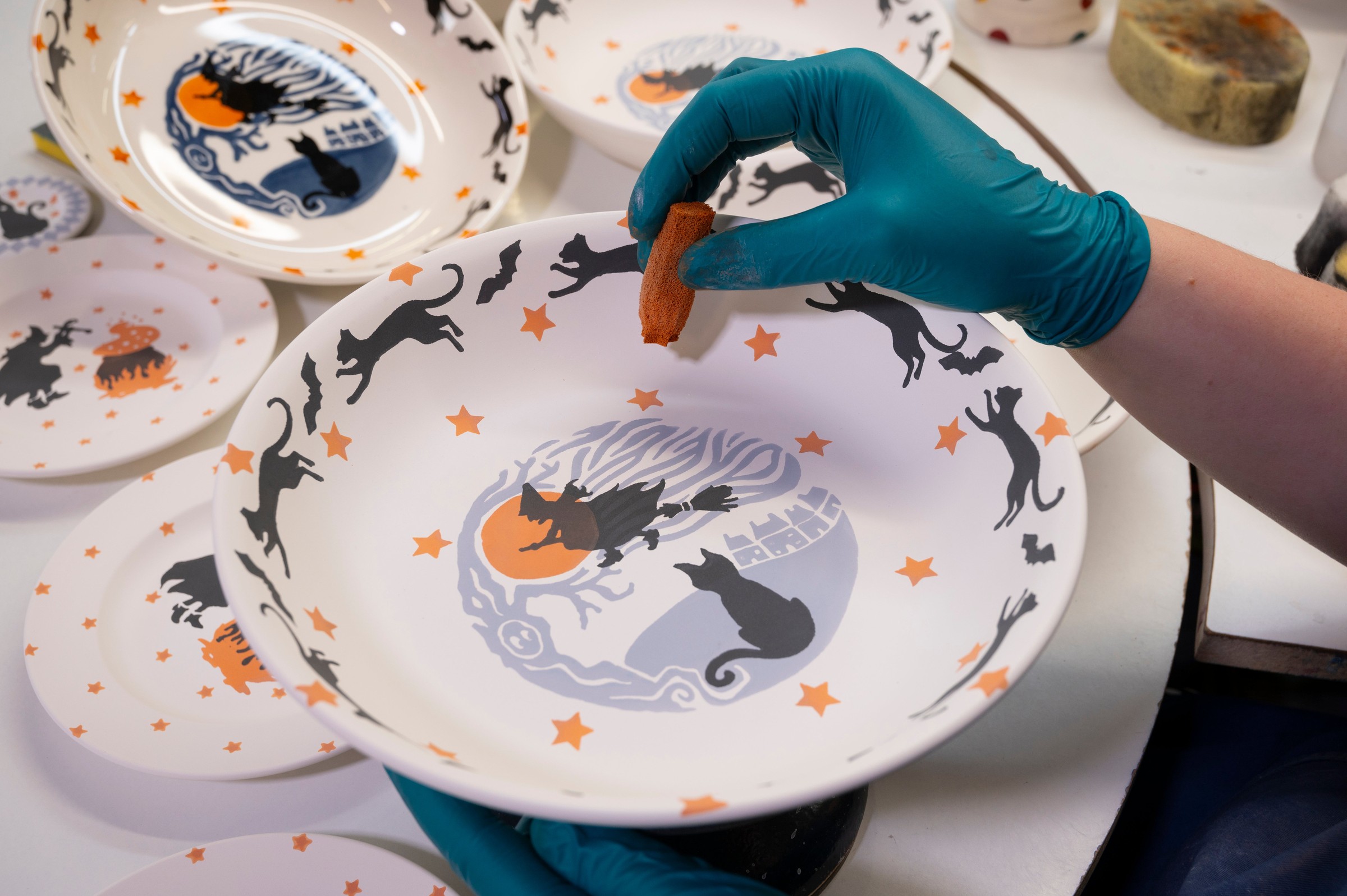
Each piece is touched by around 30 pairs of hands before it is finished, from casting and sponging to decorating and glazing.
Understanding the material helps you choose the right washing method and avoid sudden temperature changes.
Washing: Dishwasher or by Hand
Most modern everyday pottery is dishwasher safe, which makes life much easier.
Emma Bridgewater says all of its pottery is dishwasher safe, except pieces decorated with silver or gold.
To keep the finish looking pristine, it recommends using a lower temperature setting and a liquid detergent.
Strong powders and very hot cycles can dull glazes and decoration over time.
Load pieces so they do not knock against each other, and avoid packing plates too tightly.
Anything with metallic decoration, along with delicate antique or handmade pieces, is best washed by hand.
Use warm water, a mild washing-up liquid and a soft sponge rather than a scourer.
Dry pieces with a clean tea towel or leave them to air dry on a rack.
Removing Tea and Coffee Stains
Mugs used every day can develop brown rings from tea and coffee.
Avoid abrasive pads, which can scratch the glaze and make future stains more likely.
A paste of bicarbonate of soda and a little water, rubbed gently with a soft cloth, lifts most marks.
For stubborn stains, leave the paste to sit for a few minutes before rinsing.
Rinsing mugs soon after use stops stains from building up in the first place.
Microwave and Oven Use
It is easy to assume that any mug can go in the microwave, but that is not always the case.
Emma Bridgewater recommends that its pottery is not put in the microwave, and its pottery is not oven safe unless it is marked as cookware.
Always check the base of a piece or the maker’s care information before heating food in it.
When a piece is designed as bakeware, avoid moving it straight from a hot oven onto a cold or wet surface.
Sudden changes in temperature can cause stress in the glaze or even crack the body of the piece.
Understanding Crazing
Crazing is when very fine cracks or lines appear in the glaze of a piece of pottery.
It can happen when earthenware is exposed to repeated temperature changes or moisture over time.
Avoiding the microwave, very hot dishwasher cycles and extreme temperature changes all help reduce the risk.
If you notice crazing on an Emma Bridgewater product, the brand asks you to contact its customer services team.
It says that if the product is less than five years old, it will aim to replace it free of charge with a similar product, or one of equal value if the original design is no longer made.
Storing Plates, Bowls and Mugs
How you store pottery matters as much as how you wash it.
Stack plates of the same size together, and place a paper towel, napkin or felt protector between special pieces to stop the glaze from scratching.
Avoid tall, wobbly stacks, which are more likely to topple.
Hang mugs on hooks by their handles only if the hooks are well spaced, so the mugs do not knock together.
A kitchen dresser or open shelving is a lovely way to display colourful pottery, and it means pieces are easy to reach without being shuffled around.
Keep heavier items on lower shelves and lighter, smaller pieces higher up.
Handling and Everyday Use
Most chips happen during everyday handling rather than accidents.
Be gentle when putting pieces down on hard worktops or stone surfaces.
Do not use sharp metal utensils to scrape food off plates, as this can mark the glaze.
Pour very hot liquids into a mug that is at room temperature rather than one fresh from the fridge.
Children’s pieces benefit from a non-slip mat at the table.
What to Do With Chipped Pottery
A small chip on the outside of a mug or the underside of a plate is usually cosmetic.
A chip on a rim or inside a cup is best retired from food use, as it can harbour bacteria and may break further.
Many people give chipped favourites a second life as plant pots, pen holders or containers for kitchen utensils.
Caring for Pottery Used Outdoors
Pottery is lovely for picnics, garden parties and alfresco meals, but it needs a little extra thought outside.
Bring pieces indoors after use rather than leaving them out overnight, as rain, frost and strong sun can affect the glaze over time.
Earthenware plant pots and jugs used for flowers should be emptied and dried before cold weather sets in, because water that freezes inside them can cause cracking.
Building a Collection That Lasts
Looking after your pottery means you can keep adding to your collection over the years without worrying about wear and tear.
Mixing patterns across mugs, plates and bowls is part of the fun, and well cared for pieces look just as good years later.
Many collectors choose a few everyday pieces to use daily and save special designs for occasions.
Final Thoughts
Good pottery is made to be enjoyed, not hidden away.
Wash it gently, keep it away from sudden heat, store it carefully and handle it with a little care, and it can last for decades.
If you are looking to add hand-decorated mugs, plates and bowls to your kitchen, explore the latest pottery from Emma Bridgewater.
