
Plant based protein powders have become a popular option for people looking to add more protein to their everyday diets.
Whether you follow a vegan lifestyle, avoid dairy or simply want to explore alternative protein sources, there are several options available.
However, not all plant based protein powders contain the same ingredients or nutritional profiles.
Understanding their differences can help you choose a product that suits your dietary preferences and routine.
What Is Plant Based Protein Powder?
Plant based protein powder is made using protein extracted from ingredients such as peas, soybeans,
brown rice and seeds.
These ingredients are processed into powders that can be mixed with water, milk alternatives or other foods.
Some products contain a single protein source, while others combine several ingredients.
Protein contributes to the maintenance and growth of muscle mass as part of a balanced diet.
Pea Protein Powder
Pea protein is commonly made from yellow peas.
It is a popular alternative for people who prefer to avoid dairy and soy.
Pea protein powders often have a relatively neutral flavour, although texture varies between products.
They can be mixed into smoothies, shakes and breakfast recipes.
When comparing products, check the protein content and additional ingredients.
Soy Protein Powder
Soy protein is another widely available plant based option.
It contains all nine essential amino acids, making it a complete protein source.
Soy protein isolate is produced by concentrating the protein naturally present in soybeans.
It can be a convenient ingredient for people following vegetarian or vegan diets.
However, soy is a recognised allergen and should be avoided by individuals with soy allergies.
Brown Rice Protein Powder
Brown rice protein is made by extracting protein from rice.
It offers another dairy free option for people seeking plant based alternatives.
Rice protein naturally contains essential amino acids, although its proportions differ from those found in soy.
Some people prefer combining rice protein with other plant proteins to create a more varied amino acid profile.
Single Source vs Blended Protein
A single source protein powder contains protein from one main ingredient.
This can be useful for people who prefer simple ingredient lists.
Blended powders combine sources such as peas, soy, pumpkin seeds and quinoa.
These combinations may offer different flavours, textures and amino acid profiles.
Neither option is automatically better for everyone.
The right choice depends on dietary needs and personal preferences.
How to Read Protein Powder Labels
Always check the nutritional information before purchasing.
Look at the amount of protein per serving rather than relying on the product name.
Review serving sizes, ingredients, allergens and any added sweeteners.
Compare products using consistent serving amounts.
Remember that protein powder is intended to complement a balanced diet, not replace nutritious meals.
Explore Vegan Protein Options From Bulk
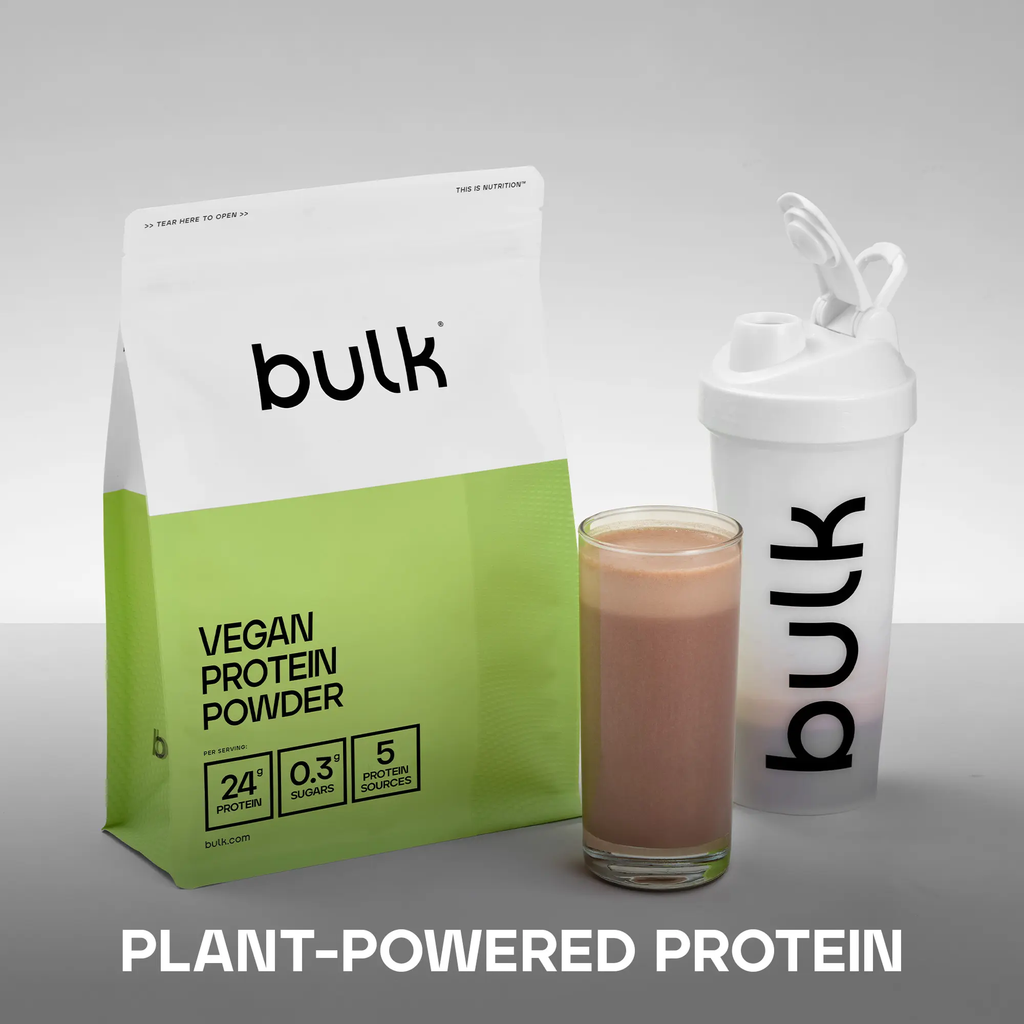
Bulk is a UK sports nutrition brand offering a range of plant based protein products.
Its Vegan Protein Powder combines pea protein isolate, soy protein isolate, pumpkin seed protein, quinoa flour and flaxseed powder.
Depending on the flavour, the formula provides up to 27 grams of protein per serving.
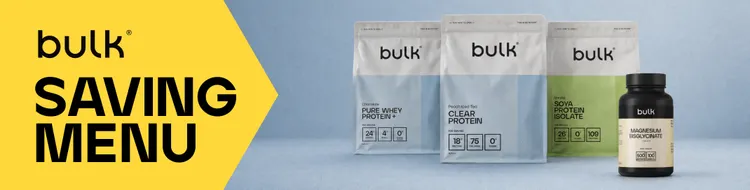
Bulk also offers individual protein options, including Pea Protein Isolate, Soya Protein Isolate and Brown Rice Protein.
Its Brown Rice Protein provides approximately 24 grams of protein per 30 gram serving.
The brand offers several flavours and unflavoured options, allowing customers to compare ingredients and preferences.
Always check current product labels because nutritional values may vary between formulations and flavours.
Easy Ways to Use Plant Based Protein
Protein powder can be incorporated into everyday recipes.
Blend it with fruit and a milk alternative for a smoothie.
Stir an appropriate amount into porridge or overnight oats.
Some powders can also be used in pancakes or homemade snacks.
Follow preparation instructions and adjust recipes to achieve your preferred texture.
Do You Need Protein Powder Every Day?
Not everyone needs a protein supplement.
Many people can meet their protein requirements through foods such as beans, lentils, tofu, nuts and whole grains.
Protein powders may be convenient when dietary intake is insufficient or meal preparation is difficult.
Individual protein requirements vary according to factors including age, body size and activity.
A qualified dietitian can provide personalised guidance when necessary.
Final Thoughts
Choosing plant based protein powder starts with understanding its ingredients, nutritional value and suitability for your diet.
Pea, soy and brown rice proteins each offer different characteristics.
Bulk provides both blended vegan protein powders and individual plant protein options.
By comparing labels and considering your everyday eating habits, you can select a product that fits your nutritional preferences.
