
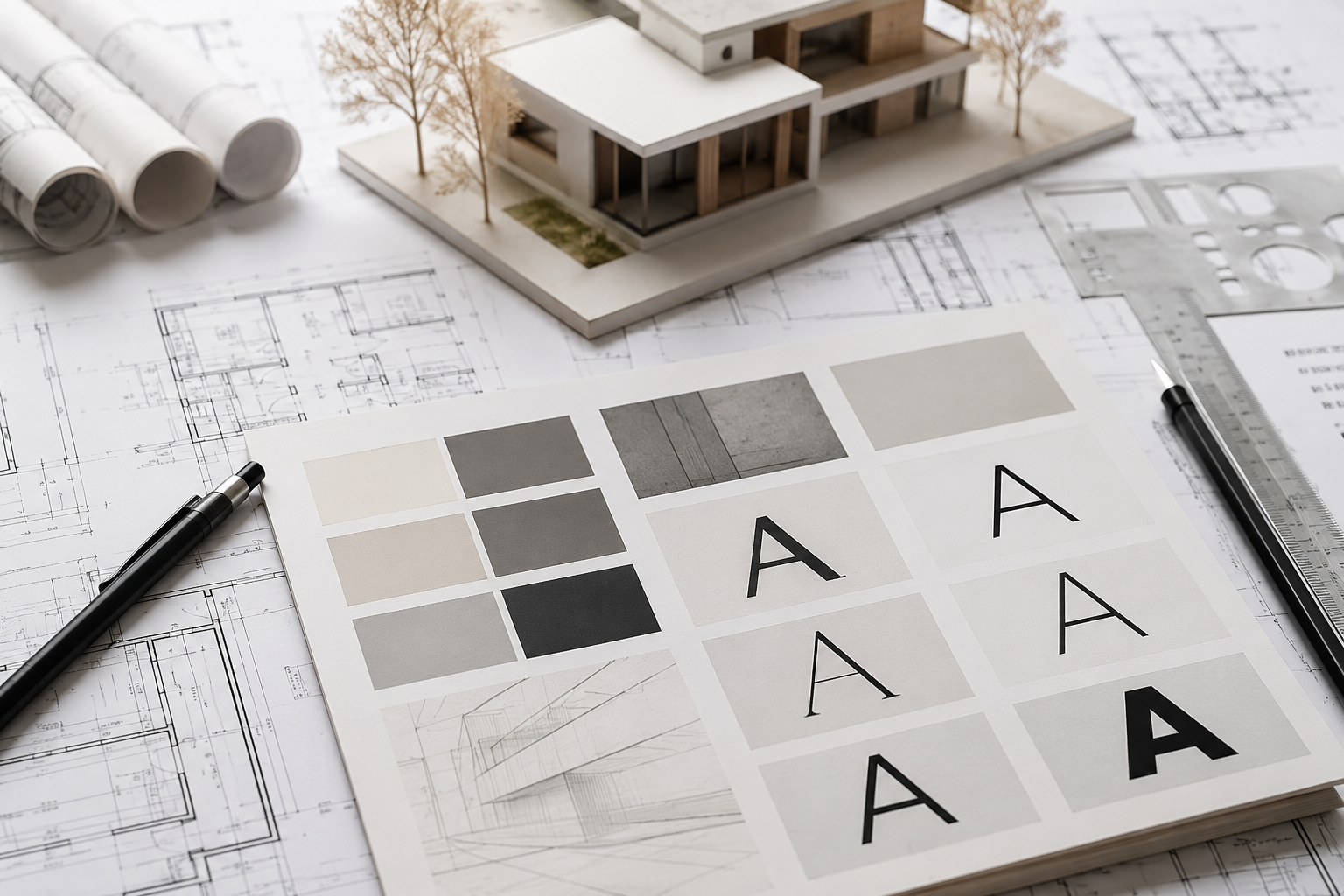
Introduction
Typography plays a crucial role in architectural communication. From technical drawings and construction documents to branding and project presentations, the right typeface helps convey professionalism, clarity, and design intent. Architecture fonts are specifically favored for their clean lines, precision, and readability, making them ideal for both digital and printed materials.
Architects, interior designers, and urban planners often rely on carefully selected fonts to ensure their work appears organized and visually appealing. Whether you’re preparing blueprints, creating a portfolio, or designing marketing materials for an architecture firm, choosing the right font can significantly influence how your work is perceived. In this guide, we’ll explore the best architecture fonts, their characteristics, and how to select the perfect typeface for your next project.
What Are Architecture Fonts?
Architecture fonts are typefaces commonly used in architectural drawings, presentations, portfolios, and branding materials. These fonts emphasize precision, readability, and minimalism—qualities that align closely with architectural principles.
Historically, architects hand-lettered plans using technical drafting styles that prioritized consistency and legibility. As computer-aided design (CAD) software became standard, digital fonts replaced manual lettering while preserving many of the same visual characteristics. Today, architecture fonts often feature geometric shapes, balanced proportions, and clean strokes.
Popular characteristics of architecture fonts include:
- High readability at various sizes
- Clean and professional appearance
- Geometric or minimalist design
- Strong alignment with modern aesthetics
- Compatibility with technical drawings and presentations
Sans-serif fonts are particularly common in architecture because they create a contemporary and uncluttered look. However, some architects also use serif fonts in portfolios and branding materials to introduce sophistication and character.
Choosing a suitable architecture font helps ensure that technical information remains easy to understand while supporting the overall visual identity of a project or firm.
Best Architecture Fonts for Professional Projects
Several fonts have become industry favorites due to their versatility and visual appeal. Here are some of the most widely used architecture fonts.
Helvetica
Helvetica remains one of the most popular choices among architects. Its clean lines and balanced proportions make it ideal for presentations, signage, and professional documents.
Futura
Known for its geometric construction, Futura complements modern architectural styles. Its precise shapes reflect principles of structure and functionality.
Avenir
Avenir combines geometric precision with excellent readability. It works well for portfolios, branding, and presentation boards.
Univers
Univers offers numerous weights and styles, making it highly adaptable for architectural documentation and graphic design applications.
DIN
Originally developed for engineering and industrial use, DIN is frequently used in architectural plans because of its clarity and technical appearance.
Gotham
Gotham delivers a contemporary aesthetic that works particularly well in branding and visual presentations.
These fonts are valued because they communicate professionalism while maintaining excellent readability across different formats. Many architectural firms incorporate one or more of these typefaces into their visual identity systems.
How to Choose the Right Architecture Font
Selecting the best architecture font depends on the project’s purpose, audience, and design style. A font that works perfectly for construction documents may not be ideal for a marketing brochure.
When evaluating fonts, consider the following factors:
Readability
Technical information must remain clear and accessible. Avoid overly decorative fonts that may reduce legibility.
Project Type
Different architectural materials require different approaches:
- Blueprints and technical drawings benefit from highly legible fonts.
- Portfolios may incorporate more stylish typography.
- Branding materials often require distinctive yet professional typefaces.
Consistency
Using consistent typography across all project materials strengthens visual identity and improves organization.
Modern vs. Traditional Style
Contemporary architecture often pairs well with geometric sans-serif fonts. Traditional firms may prefer serif fonts that communicate heritage and sophistication.
Digital Compatibility
Ensure the font displays properly across CAD software, PDFs, websites, and presentation platforms.
A thoughtful typography strategy creates a cohesive visual experience while reinforcing professionalism and design excellence.
Architecture Fonts in Branding and Presentations
Typography extends far beyond technical drawings. Architecture firms increasingly use carefully selected fonts to build strong brand identities and create memorable client experiences.
A firm’s logo, website, business cards, proposal documents, and social media graphics all benefit from consistent typography. Architecture fonts help communicate qualities such as innovation, precision, creativity, and reliability.
For presentations, typography plays an equally important role. Large-format boards, project proposals, and client presentations often contain substantial information. Well-chosen fonts help organize content and guide viewers through complex ideas.
Best practices for architectural presentations include:
- Limiting the number of font families used
- Establishing clear heading hierarchies
- Maintaining consistent spacing
- Using larger font sizes for readability
- Pairing fonts thoughtfully
Many firms combine a primary font for headings with a complementary font for body text. This approach creates visual contrast while preserving a professional appearance.
Strong typography helps architectural concepts stand out and ensures that design ideas are communicated effectively to clients, stakeholders, and project teams.
Emerging Trends in Architecture Typography
Typography trends evolve alongside architectural design trends. Today’s architects increasingly favor minimalist, flexible, and digital-friendly typefaces.
One notable trend is the growing popularity of geometric sans-serif fonts. Their clean appearance aligns well with contemporary architecture and modern branding.
Variable fonts are also becoming more common. These fonts allow designers to adjust weight, width, and other characteristics within a single file, offering greater flexibility across digital platforms.
Other emerging trends include:
- Minimalist typography systems
- Large, bold headlines
- Monospaced fonts for technical aesthetics
- Sustainable design-inspired visual identities
- Responsive typography for websites and mobile devices
Architectural firms are also embracing custom fonts to differentiate themselves in competitive markets. A unique typeface can reinforce brand recognition while reflecting a firm’s design philosophy.
As technology continues to influence design workflows, typography will remain an essential component of architectural communication and visual storytelling.
Conclusion
Architecture fonts are much more than decorative elements—they are powerful communication tools that support clarity, professionalism, and brand identity. Whether you’re creating technical drawings, project presentations, websites, or marketing materials, selecting the right typeface can enhance both functionality and aesthetics.
Fonts such as Helvetica, Futura, Avenir, DIN, and Gotham remain popular because they balance readability with modern design principles. By understanding the characteristics of effective architecture fonts and applying them strategically, architects can improve communication and strengthen their overall visual presence. Ultimately, the right typography helps transform complex ideas into compelling and accessible architectural narratives.
Frequently Asked Questions
What are the most popular architecture fonts?
Some of the most popular architecture fonts include Helvetica, Futura, Avenir, DIN, Gotham, and Univers due to their readability and professional appearance.
Why do architects prefer sans-serif fonts?
Sans-serif fonts offer clean lines, excellent legibility, and a modern aesthetic that aligns well with contemporary architectural design.
Which font is best for architectural drawings?
DIN and Helvetica are commonly used for architectural drawings because they provide clarity and consistency in technical documentation.
Can architecture fonts be used for branding?
Yes. Many architecture firms use professional fonts such as Gotham, Avenir, and Futura for logos, websites, and marketing materials.
How many fonts should be used in an architectural presentation?
Typically, one or two complementary fonts are sufficient to maintain consistency, readability, and a polished appearance.
