


Introduction
When it comes to affordable fashion with a luxury-inspired feel, zara is one of the first names that comes to mind. Over the years, the brand has transformed the fashion industry by introducing new collections at an unmatched pace and making runway-inspired designs accessible to everyday shoppers. Known for its modern aesthetics, quality materials, and trend-focused approach, Zara has become a global retail powerhouse with stores in major cities across the world.
Whether you’re looking for stylish workwear, casual outfits, statement pieces, or timeless wardrobe essentials, Zara offers something for nearly every fashion preference. This article explores the history of Zara, its unique business model, its influence on global fashion trends, sustainability initiatives, and what keeps customers returning season after season.
The History and Rise of Zara
Zara was founded in 1975 by Amancio Ortega and Rosalía Mera in Spain. What began as a single clothing store quickly evolved into one of the world’s most recognized fashion retailers. The company is part of the Inditex Group, one of the largest fashion conglomerates globally.
Unlike traditional fashion brands that release a few collections each year, Zara adopted a revolutionary approach. The company closely monitored customer preferences and rapidly produced styles that reflected current trends. This strategy allowed Zara to respond to changing consumer demands much faster than competitors.
By the 1990s and early 2000s, Zara had expanded internationally, opening stores throughout Europe, North America, Asia, and the Middle East. Its combination of stylish clothing, competitive pricing, and premium store experiences attracted millions of customers worldwide.
Today, Zara operates both physical stores and a thriving online platform, enabling shoppers to browse and purchase the latest fashion collections from virtually anywhere. The brand’s global presence continues to grow, reinforcing its status as a leader in contemporary fashion retail.
Zara’s Fast-Fashion Business Model
One of the biggest reasons for Zara’s success is its innovative fast-fashion model. Traditional clothing brands often require months to design, manufacture, and distribute new collections. Zara dramatically shortened this process, allowing new products to reach stores in just a few weeks.
The company maintains significant control over its supply chain, from design and production to distribution. This integrated system enables Zara to quickly adapt to emerging trends and customer feedback.
Several factors contribute to Zara’s efficiency:
- Frequent product launches throughout the year
- Limited inventory runs that create exclusivity
- Rapid production cycles
- Real-time sales data analysis
- Close coordination between designers and stores
Customers often visit Zara regularly because inventory changes frequently. A popular item may sell out quickly and never return, encouraging shoppers to purchase immediately rather than waiting.
This strategy has influenced countless fashion retailers worldwide, setting new standards for speed and responsiveness within the industry. Zara’s ability to deliver fresh styles consistently has become one of its most powerful competitive advantages.
Why Zara Remains a Favorite Among Fashion Shoppers
Zara appeals to a broad audience because it successfully balances style, quality, and affordability. Many consumers appreciate that the brand offers clothing inspired by luxury fashion trends without luxury price tags.
Its product range includes:
- Women’s fashion
- Men’s fashion
- Children’s clothing
- Footwear
- Accessories
- Beauty products
- Home décor through Zara Home
Another factor driving Zara’s popularity is its minimalist yet sophisticated design philosophy. Many pieces feature clean lines, neutral colors, and timeless silhouettes that can be worn across multiple seasons.
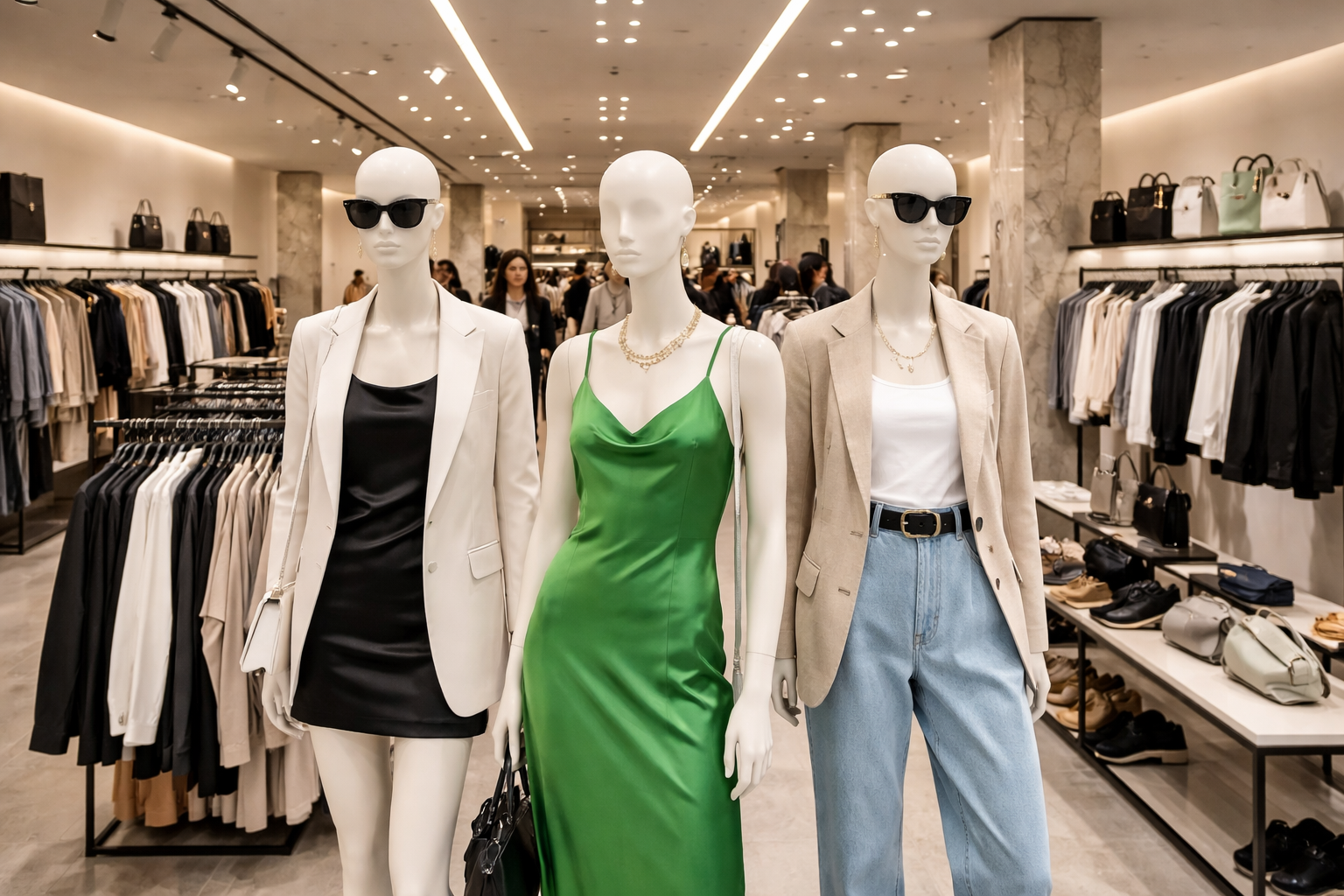
The shopping experience also plays a significant role. Zara stores are typically modern, organized, and visually appealing. The brand invests heavily in store design, creating an environment that feels more upscale than many competitors in the same price category.
Additionally, Zara’s strong online presence makes shopping convenient. Features such as online ordering, store pickup, and mobile browsing help customers access the latest collections effortlessly.
As fashion trends evolve, Zara continues adapting while maintaining the versatility and accessibility that shoppers value most.
Sustainability and Ethical Fashion Efforts
The fast-fashion industry has faced increasing scrutiny regarding environmental impact and ethical production practices. In response, Zara has introduced various sustainability initiatives aimed at reducing its environmental footprint.
The company has launched programs focused on:
- Sustainable fabrics
- Recycling and garment collection
- Renewable energy usage
- Reduced packaging waste
- Water conservation measures
Many Zara collections now include garments made from recycled materials, organic cotton, and more environmentally responsible fibers. The company has also committed to increasing transparency across its supply chain and improving manufacturing standards.
Customers can participate in clothing collection programs available in select locations, helping extend the life cycle of garments and reduce textile waste.
While critics argue that fast fashion still presents environmental challenges, Zara’s sustainability efforts demonstrate a growing commitment to responsible business practices. As consumer expectations continue shifting toward ethical shopping, these initiatives will likely remain a major focus for the brand’s future development.
The Future of Zara in a Changing Fashion Industry
Fashion retail is evolving rapidly due to technology, sustainability concerns, and changing consumer behaviors. Zara has shown remarkable adaptability throughout its history, positioning itself well for future growth.
Digital innovation is becoming increasingly important. The company continues investing in e-commerce, mobile shopping experiences, artificial intelligence, and inventory management systems. These technologies help improve customer experiences while maintaining operational efficiency.
Personalization may also play a larger role in Zara’s future strategy. By analyzing shopping patterns and consumer preferences, the brand can deliver more targeted recommendations and collections.
Sustainability will likely remain another key priority. Consumers increasingly expect brands to balance profitability with environmental responsibility. Zara’s ongoing investments in sustainable materials and circular fashion initiatives indicate a recognition of these evolving expectations.
Despite growing competition from online-only retailers and emerging fashion brands, Zara’s combination of trend awareness, operational excellence, and global reach positions it strongly for continued success in the years ahead.
Conclusion
From its humble beginnings in Spain to its status as a global fashion powerhouse, zara has fundamentally changed the way people shop for clothing. Its fast-fashion model, trend-driven collections, and accessible pricing have made it a favorite among millions of consumers worldwide. While the fashion industry continues to evolve, Zara remains committed to innovation, customer satisfaction, and sustainability improvements. As shopping habits and fashion preferences change, the brand’s ability to adapt ensures it will remain a significant influence in global fashion for years to come.
Frequently Asked Questions (FAQs)
What is Zara known for?
Zara is known for offering fashionable, trend-inspired clothing at affordable prices while rapidly introducing new collections throughout the year.
Who owns Zara?
Zara is owned by Inditex, a multinational fashion retail group headquartered in Spain.
Is Zara considered a luxury brand?
No, Zara is not a luxury brand. However, it is often praised for creating stylish designs that resemble luxury fashion trends at more accessible prices.
Does Zara sell products online?
Yes, Zara operates a comprehensive online store where customers can purchase clothing, shoes, accessories, beauty products, and home items.
Is Zara focusing on sustainability?
Yes, Zara has implemented various sustainability initiatives, including the use of recycled materials, eco-friendly fabrics, and clothing recycling programs.
Why does Zara release new collections so often?
Zara follows a fast-fashion business model that allows it to respond quickly to emerging trends and customer preferences, resulting in frequent product launches.


