


Your Tyres Need to Match More Than Your Car
Choosing new tyres can initially seem straightforward.
Find the correct size, select a familiar manufacturer and place an order.
But tyre choice should also take into account the weather conditions you regularly experience, how often you drive and the type of journeys you make.
Summer, winter and all-season tyres are designed differently, and understanding those differences can make it much easier to select an appropriate option.
Summer Tyres
Summer tyres are specifically designed for warmer conditions.
Their rubber compounds and tread patterns are developed to provide suitable performance on dry and wet roads during warmer months.
Compared with winter tyres, summer tyres generally use a harder rubber compound.
Their tread designs are also created to channel water away from the contact area, helping the tyre maintain contact with wet roads.
When Should You Consider Summer Tyres?

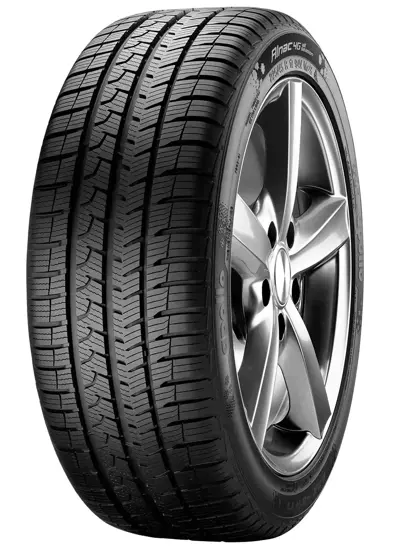
Summer tyres can be a suitable option if you:
- Drive regularly during warmer months
- Want season specific performance
- Travel longer distances
- Frequently use motorways
- Plan to switch to winter tyres when temperatures fall
For drivers who experience significant seasonal changes, having dedicated summer and winter sets can provide tyres specifically designed for each part of the year.
Winter Tyres
Winter tyres are designed for cold temperatures and challenging winter road conditions.
They use specialised rubber compounds that remain more flexible in lower temperatures.
Their tread patterns also feature additional grooves and small cuts known as sipes or lamellae.
These features are designed around conditions including:
- Snow
- Slush
- Cold roads
- Wet winter surfaces
If you regularly drive through areas with significant snow or cold winter weather, dedicated winter tyres deserve serious consideration.
Look for the Alpine Symbol
When shopping for winter capable tyres, look at the markings on the tyre.
The Three Peak Mountain Snowflake symbol, often abbreviated as 3PMSF, indicates that the tyre has met defined winter performance requirements.
This marking can appear on winter tyres and qualifying all-season tyres.
Don’t rely solely on a tyre’s product name. Check its actual specifications and markings.
What Are All-Season Tyres?
All-season tyres attempt to combine characteristics of summer and winter tyres into one product.
Their biggest attraction is convenience.
Instead of keeping two sets of tyres and changing them seasonally, drivers can use one set throughout the year when the tyres and local conditions make that appropriate.
They can be particularly interesting for drivers who:
- Cover relatively low annual mileage
- Primarily drive in cities
- Experience moderate weather
- Rarely encounter severe snow or ice
- Prefer avoiding seasonal tyre changes
However, convenience comes with compromise.
Are All-Season Tyres as Good as Seasonal Tyres?
All-season tyres are designed to operate across a broader range of conditions.
That versatility means they may not offer exactly the same characteristics as dedicated seasonal tyres in extreme conditions.
A dedicated summer tyre is designed specifically around warmer weather.
A dedicated winter tyre is designed specifically around cold and winter conditions.
An all-season tyre needs to handle both.
For moderate conditions and particular driving patterns, that compromise can make sense. For drivers frequently facing demanding winter conditions, separate seasonal tyres may be more appropriate.
Consider Where You Drive
Your location and usual routes should influence your decision.
Someone primarily driving short distances around a city may have different requirements from someone regularly travelling through mountain regions.
Think about whether your normal journeys include:
- Mountain roads
- Heavy snowfall
- Motorways
- Rural roads
- Urban traffic
- Long distance travel
Don’t choose tyres solely based on what another driver uses.
Your driving environment matters.
Check Your Tyre Size
Before ordering tyres, make sure you’re buying a size approved for your vehicle.
A typical tyre marking may look something like:
205/55 R16 91V
Each section provides information about the tyre’s dimensions and capabilities.
You’ll usually find tyre information on the tyre sidewall and in your vehicle documentation.
If you’re uncertain about compatible sizes, consult the vehicle manufacturer’s information or an appropriate tyre professional.
Understand the Tyre Label
When comparing tyres, don’t look only at brand and price.

Tyre labels provide useful information that can help you compare different models.
Depending on the tyre, this can include information relating to:
- Rolling resistance
- Wet grip
- External rolling noise
Wet grip performance is particularly worth considering because tyres play an important role in braking and control on wet roads.
Use these ratings alongside your vehicle requirements and driving conditions rather than judging a tyre by one specification alone.
Check Your Tread Regularly
Even high quality tyres can’t perform as intended indefinitely.
Tread gradually wears as kilometres accumulate.
ReifenDirekt notes that the legal minimum tread depth is 1.6 mm, while greater tread depth is recommended for maintaining stronger performance in challenging seasonal conditions.
Don’t wait until a tyre looks completely worn before inspecting it.
Regular visual checks can help identify wear earlier.
Look for Uneven Wear
Tyres don’t always wear evenly.
If one area is significantly more worn than another, it can indicate that the tyre or vehicle needs professional attention.
During regular checks, look for:
- Uneven tread
- Cracks
- Bulges
- Cuts
- Embedded objects
- Other visible damage
If something appears unusual, have the tyre inspected professionally rather than continuing to drive and hoping the issue disappears.
Tyre Pressure Matters Too
Correct tyre pressure is another important part of tyre care.
Pressure that’s too high or too low can affect how the tyre interacts with the road and may contribute to irregular wear.
Use the pressure recommended by your vehicle manufacturer rather than simply copying a generic number.
Check pressure regularly and before longer journeys.
Think About Your Annual Mileage
How much you drive can also influence tyre choice.
If you cover substantial distances each year, wear and durability may become particularly important considerations.
Someone who drives relatively little may prioritise different characteristics.
Instead of searching for a universally “best” tyre, look for a tyre that suits your actual driving pattern.
Price differences between tyre models can be substantial.
Rather than making your decision solely on price, compare relevant characteristics.
Consider:
- Wet grip
- Seasonal suitability
- Rolling resistance
- Noise
- Independent tyre tests
- Manufacturer reputation
- Expected use
A more expensive tyre isn’t automatically the right option for every vehicle, just as the cheapest tyre isn’t necessarily the best value.
Should You Buy Tyres Online?
Online tyre shopping can make comparing sizes, brands and specifications much easier.
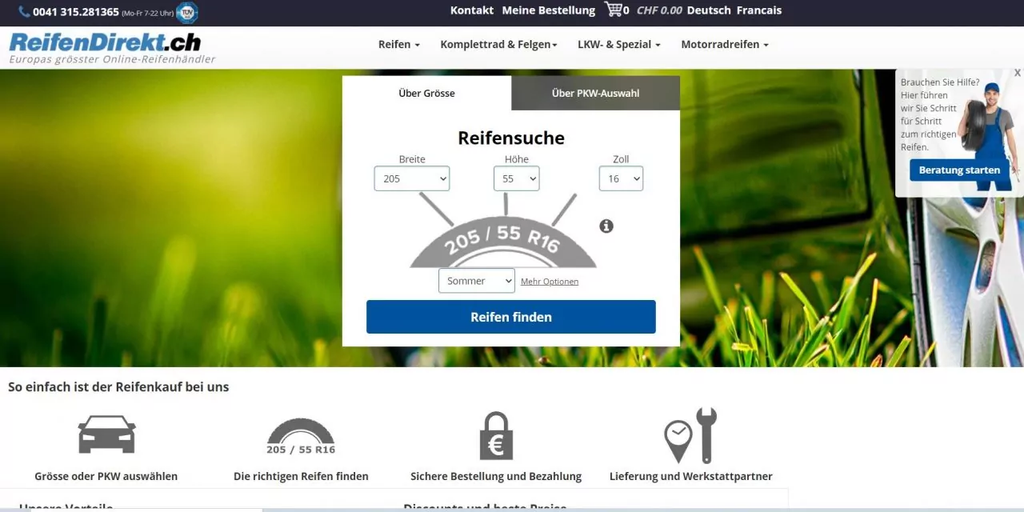
ReifenDirekt Switzerland offers tyres from numerous established manufacturers and allows customers to search according to tyre dimensions and seasonal requirements.
The retailer also provides the option of having tyres delivered to a fitting partner.
This can simplify the process from selecting tyres to arranging installation.
Don’t Forget Professional Installation
Buying the tyre is only one part of the process.
Correct fitting and balancing matter as well.
Professional fitting can also provide an opportunity to identify visible wheel or tyre related issues that may otherwise be overlooked.
If you’re unsure about tyre condition, fitment or compatibility, professional advice is preferable to guessing.
Create a Simple Tyre Checklist
Before buying your next set, ask:
- What tyre size does my vehicle require?
- What weather conditions do I regularly drive in?
- Do I need dedicated summer and winter tyres?
- Could all-season tyres suit my driving pattern?
- Does the tyre have the appropriate winter marking if required?
- What does its tyre label show?
- How much driving do I normally do?
- Where will the tyres be fitted?
Answering these questions can quickly reduce a huge catalogue of tyres to a much more manageable selection.
ReifenDirekt Switzerland
ReifenDirekt.ch provides a broad online selection of tyres for Swiss motorists.
Its current range includes:
- Summer tyres
- Winter tyres
- All-season tyres
- Car tyres
- SUV and 4×4 tyres
- Van tyres
- Motorcycle tyres
- Complete wheels
- Rims
- Automotive accessories
Customers can search for suitable products by tyre dimensions and compare options from established tyre manufacturers.
The site also works with fitting partners, allowing customers to arrange professional installation after purchasing tyres online.

Final Thoughts
The right tyre depends on your vehicle, local weather and driving habits.
Summer tyres are designed around warmer conditions, while winter tyres are engineered for cold temperatures and winter roads. All-season tyres provide a convenient compromise that can make sense for certain drivers and climates.
Before buying, check the correct tyre size, seasonal suitability, tyre label and winter markings where relevant.
ReifenDirekt Switzerland makes it possible to compare summer, winter and all-season options from multiple manufacturers, helping drivers narrow down their choice according to their vehicle and driving requirements.
Choosing carefully now can help ensure your tyres are appropriate for the journeys and conditions you expect to encounter throughout the year.


