





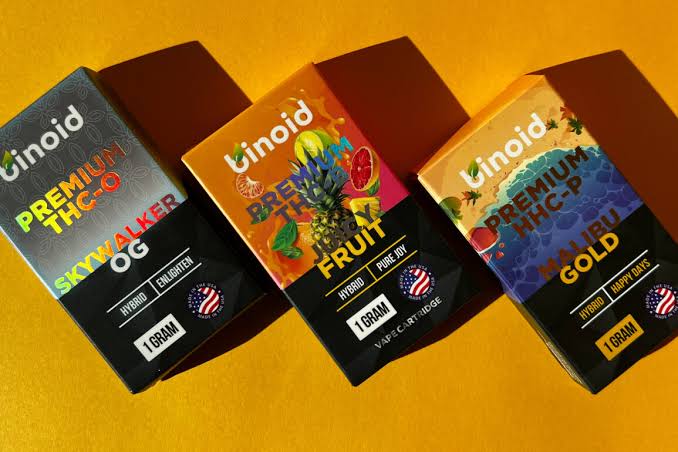
The hemp industry has expanded significantly, introducing products with different ingredients, cannabinoid profiles and manufacturing processes.
For consumers, understanding product labels and laboratory reports is an important part of making informed decisions.
Marketing descriptions alone cannot establish whether a product contains the ingredients advertised or has undergone appropriate quality testing.
Learning how to interpret independent laboratory information can help consumers recognise potential concerns.
What Is a Certificate of Analysis?

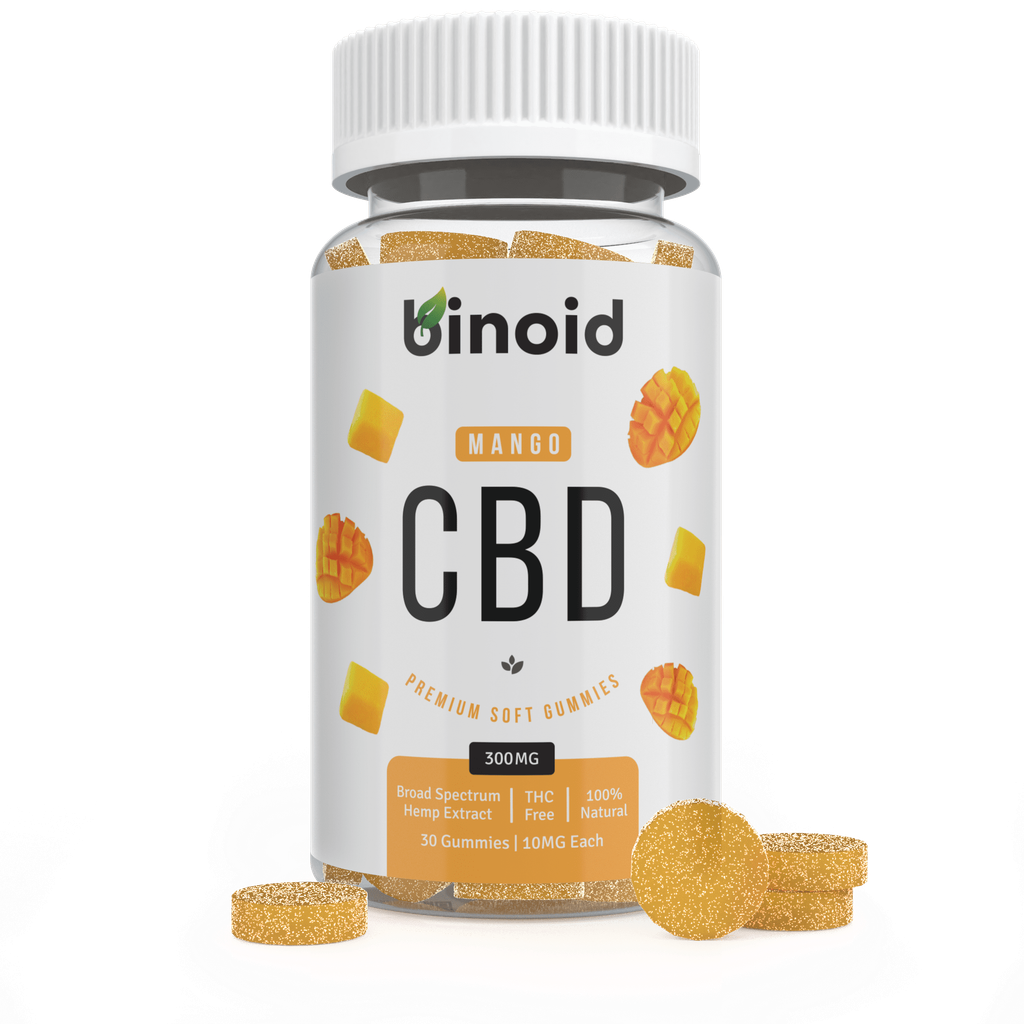
A Certificate of Analysis, commonly called a COA, is a laboratory report documenting the results of tests performed on a particular sample.
For hemp products, these reports may include cannabinoid concentrations and contaminant screening.
A COA should identify the testing laboratory, sample information and relevant testing dates.
Importantly, a laboratory report describes the tested sample. It does not automatically guarantee the safety of every product sold under the same name.
Why Independent Laboratory Testing Matters
Independent testing provides information beyond a manufacturer’s marketing claims.
Laboratories may measure cannabinoid concentrations and screen for certain unwanted substances.
Testing can also reveal discrepancies between product labels and measured ingredients.
However, the reliability of the results depends on the laboratory, methods used and whether the report corresponds to the actual product batch.
Understanding Cannabinoid Concentrations
Hemp products may contain cannabinoids such as CBD, THC and other related compounds.
Laboratory reports commonly express concentrations as percentages or milligrams per gram.
These measurements help explain what was detected in the tested sample.
Consumers should not assume that all cannabinoids have the same effects or safety profiles.
Some newer or chemically modified cannabinoids have limited human safety research.
Check the Product Batch Number
Batch identification is an important detail when reviewing laboratory reports.
A product label may contain a batch or lot number identifying its manufacturing group.
Ideally, this information should correspond to the laboratory report provided.
A report for an unrelated formulation or older batch may not accurately represent the product being examined.
Look Beyond Potency Testing
Cannabinoid concentration is only one aspect of quality assessment.
Depending on the product and testing requirements, laboratories may examine:
- Heavy metals
- Pesticide residues
- Residual solvents
- Microbial contamination
- Other relevant impurities
Not every laboratory report includes every category.
A potency only report should not be interpreted as proof that comprehensive contaminant testing has been completed.
Understanding Binoid’s Laboratory Information
Binoid is a United States retailer specialising in hemp derived cannabinoid products.
The company publishes laboratory information through its website, including a dedicated lab results section.
Its published reports include cannabinoid profiles and, for certain samples, additional contaminant testing.
Binoid also provides educational information explaining certificates of analysis and cannabinoid concentrations.
Consumers reviewing these documents should check report dates, batch identification and the specific tests performed.
The availability of laboratory information is useful for transparency, but does not independently establish that a product is risk free.
Understand Legal Differences
Hemp and cannabinoid regulations vary between jurisdictions.
Different states and countries may restrict particular compounds, product formats or methods of sale.
A product described as hemp derived is not necessarily legal everywhere.
Laboratory results and marketing statements should not replace checking applicable local laws.
Be Careful With Health Claims
Consumers may encounter advertising suggesting that cannabinoid products improve sleep, relieve

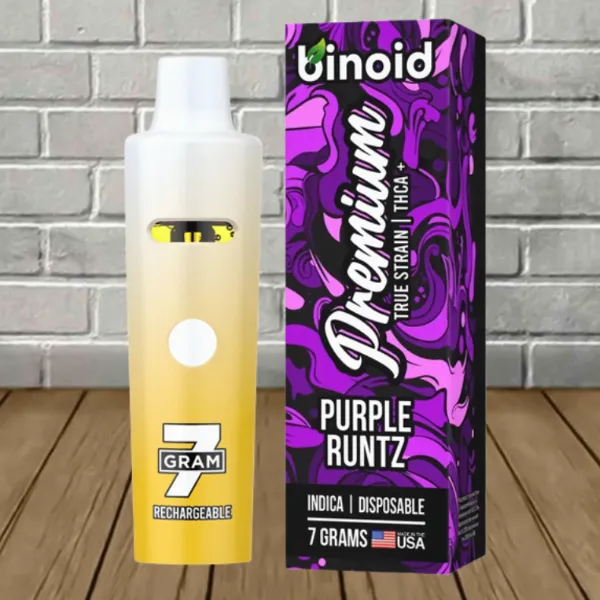
discomfort or support other health outcomes.
Such claims require appropriate scientific evidence and regulatory authorisation.
Products should not be assumed to diagnose, treat or prevent medical conditions.
Anyone considering a cannabinoid product should be aware of potential side effects, interactions with medications and impairment risks.
Pregnant or breastfeeding individuals and younger people should avoid cannabinoid use unless specifically advised otherwise by an appropriate healthcare professional.
Recognise Common Warning Signs
Missing laboratory reports, unclear ingredient lists and unsupported medical claims deserve additional scrutiny.
Other concerns include reports without identifiable laboratories, unexplained discrepancies and incomplete contaminant screening.
Consumers should also be cautious of products claiming to be completely safe or free from side effects.
Final Thoughts
Understanding hemp product labels and laboratory reports is an important consumer education skill.
Certificates of analysis can provide useful information about measured ingredients and selected contaminants, but they have limitations.
Binoid publishes laboratory documentation and educational resources that can be reviewed as part of this process.
Prioritising transparent information, legal awareness and independent safety guidance can help consumers evaluate hemp industry claims more critically.


