





Modern wearable technology makes it easier to understand everyday health patterns.
Two commonly tracked measurements are heart rate variability and resting heart rate.
Although both relate to your heartbeat, they measure different aspects of your body’s activity.
Understanding these metrics can help you interpret wellness data without becoming overly focused on individual numbers.
What Is Resting Heart Rate?
Resting heart rate measures how many times your heart beats per minute while your body is at rest.
It is usually expressed in beats per minute, or BPM.
Resting heart rate can vary according to age, physical fitness, medication, stress and general health.
Many healthy adults have a resting heart rate between 60 and 100 BPM, although some physically active individuals have lower readings.
A single measurement rarely tells the complete story.
What Is Heart Rate Variability?

Heart rate variability, commonly called HRV, measures the variation in time between consecutive heartbeats.
Your heart does not normally beat at perfectly identical intervals.
These small differences are influenced by the autonomic nervous system, which helps regulate many automatic bodily functions.
HRV is commonly measured in milliseconds.
Its interpretation depends on the measurement method, personal characteristics and circumstances.
How Are HRV and Resting Heart Rate Different?
Resting heart rate describes how frequently your heart beats.
HRV describes how the intervals between heartbeats vary.
Both measurements can change with sleep, physical activity, emotional stress and illness.
They provide different perspectives on physiological patterns.
Neither measurement should be interpreted as a complete assessment of cardiovascular health.
Why Personal Baselines Matter
Everyone has different physiological characteristics.
An HRV value that is typical for one person may be unusual for another.
Similarly, resting heart rate varies considerably between individuals.
Rather than comparing your results with someone else’s, observe your own measurements over time.
Consistent tracking can help establish a personal baseline.
How Sleep Influences Your Readings
Sleep can influence both HRV and resting heart rate.
Poor sleep, irregular schedules and insufficient rest may affect overnight measurements.
Many wearable devices collect information while users sleep because movement is generally reduced.
However, consumer devices estimate physiological measurements and can produce errors.
Interpret trends cautiously rather than treating every reading as exact.
Can Exercise Affect HRV?
Physical activity influences the cardiovascular and autonomic nervous systems.
Regular exercise may contribute to changes in resting heart rate over time.
Intense exercise can also temporarily influence HRV during recovery.
These responses vary according to individual fitness, exercise intensity and other factors.
Avoid making major training decisions based solely on a single wearable measurement.
Explore Heart Rate Tracking With Hume Health
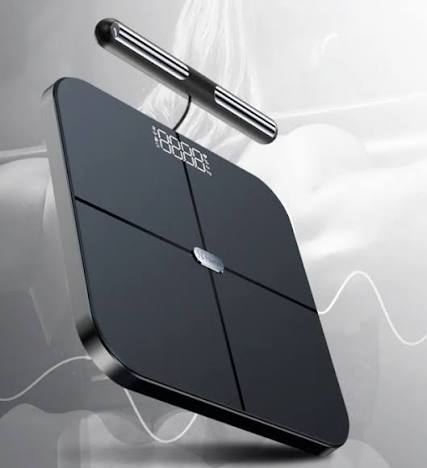
Hume Health develops consumer wellness technology designed to help users understand body

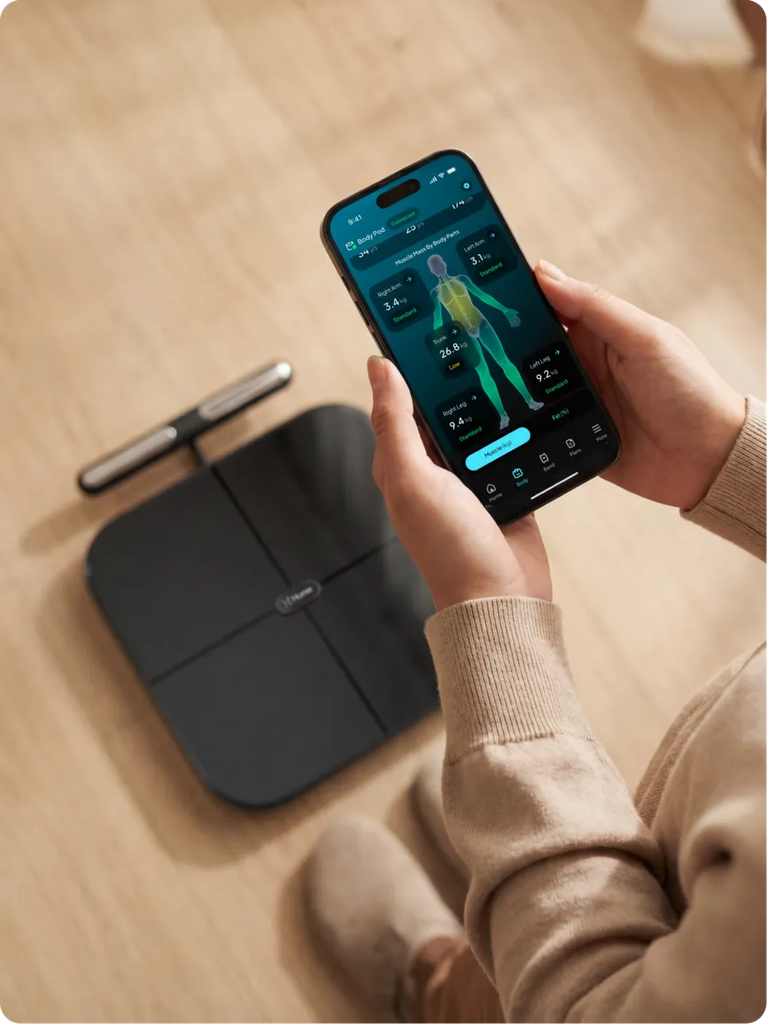
composition, activity and recovery trends.
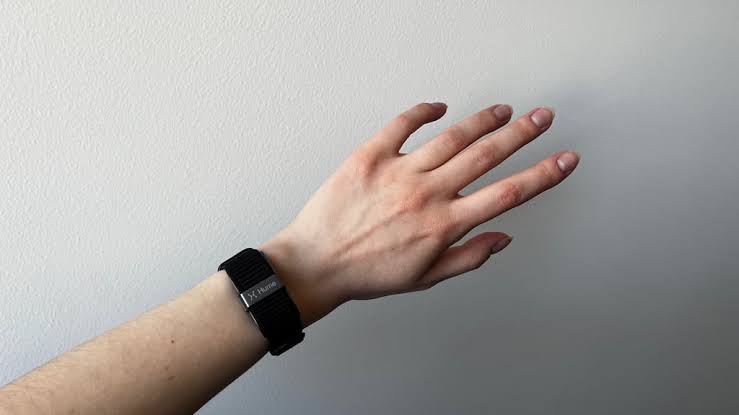
The Hume Band 2.0 tracks several physiological measurements, including heart rate, overnight HRV and resting heart rate.
It also collects sleep and activity information.
The connected Hume Health app combines selected measurements to provide wellness insights and recovery estimates.
According to Hume Health, the band uses HRV, resting heart rate and sleep information when generating its recovery score.
These features are intended for general wellness tracking rather than medical diagnosis.
How to Interpret Changes Over Time
Consider looking at weekly patterns rather than individual daily results.
A temporary change may reflect disrupted sleep, travel, stress or other everyday factors.
Check whether measurements were collected consistently and whether the wearable was positioned correctly.
If a trend appears unusual, consider the broader context before drawing conclusions.
Avoid Common Tracking Mistakes
One common mistake is assuming that higher HRV is always better.
Another is believing that a lower resting heart rate automatically indicates better health.
Neither statement applies universally.
Wearable measurements can also be affected by movement, sensor contact and irregular heart rhythms.
Use the information as one part of your overall wellness picture.
When to Seek Medical Advice
Consumer wearables cannot diagnose heart conditions.
If you experience chest pain, fainting, severe breathlessness or other concerning symptoms, seek appropriate medical attention.
Persistent unexplained changes in heart rate also deserve professional assessment.
Do not delay medical care because a wearable device displays reassuring results.
Final Thoughts
Understanding heart rate variability and resting heart rate can make wellness tracking more meaningful.
Both measurements provide useful context when considered alongside sleep, activity and personal circumstances.
Hume Health offers wearable technology that helps users follow these trends over time.
The most useful approach is to focus on consistent habits, personal patterns and responsible interpretation rather than chasing perfect numbers.


