



Introduction
The shoes you wear every day need to do more than look good. Whether you’re commuting, shopping, working, traveling, or simply spending several hours on your feet, comfort and fit can make a noticeable difference. This is where Hobibear shoes have gained attention, particularly among people interested in wide toe boxes and barefoot-inspired footwear. The brand offers a range of casual shoes designed around spacious foot shapes, flexible soles, and different levels of cushioning. But are they actually practical for everyday use? That depends on the model you choose and what you expect from your footwear. Some people may appreciate the freedom and roomy fit, while others may prefer traditional shoes with more structure and cushioning. Before buying, it’s worth looking at comfort, support, materials, durability, sizing, and everyday practicality.
Why Hobibear Shoes Are Popular for Daily Use
One of the main reasons people consider Hobibear shoes for everyday wear is their emphasis on foot-friendly designs. Many conventional shoes become narrower toward the toes, which can leave little room for natural toe movement. Hobibear’s wide-toe styles take a different approach by providing additional space in the front of the shoe.
That extra room can be particularly appealing when you spend long periods walking or standing. Instead of having your toes pressed together, a wider toe box allows them to move more freely inside the shoe. Of course, everyone’s feet are different, so a design that feels spacious to one person may feel too loose to another.
Another feature found in several Hobibear models is a flexible sole. Flexible footwear can make walking feel more natural because the shoe bends more easily as the foot moves. Some of the brand’s minimalist designs also use a zero-drop construction, meaning there isn’t a significant height difference between the heel and forefoot.
For everyday wear, these characteristics can be useful for activities such as running errands, walking around town, traveling, or casual outings. However, they don’t necessarily make every Hobibear model suitable for every activity.
The key is choosing the right construction for your routine. Someone looking for a lightweight walking shoe may want something different from a person who spends eight hours standing on hard floors. Looking at the individual model rather than the brand name alone is therefore important.
Comfort and Fit: What Can You Expect?
Comfort is probably the biggest factor when deciding whether a shoe is suitable for daily wear. Hobibear shoes are designed with roomy toe areas, but comfort isn’t determined by toe width alone. The length, heel fit, upper material, sole flexibility, and amount of cushioning all play a role.
If you normally wear narrow shoes, a Hobibear wide toe box may initially feel noticeably different. Your toes have more room, and the shoe may feel less restrictive around the front of the foot. Some wearers specifically look for this type of fit because they dislike the compressed feeling of conventional footwear.
However, spacious footwear shouldn’t mean that your entire foot moves around inside the shoe. A good everyday fit should keep the heel reasonably secure while giving the toes enough room to spread and move.
Sizing is another area that deserves attention. Don’t automatically order the same size you usually buy from another brand. Instead, measure your feet and compare the measurements with the size chart for the particular Hobibear model.
This is especially important because different shoe designs can have slightly different shapes. A lightweight barefoot sneaker, for example, may feel different from a thicker casual shoe even when both are sold by the same company.
If you’re between sizes, customer reviews can also provide useful clues. Look for repeated comments about length, width, heel fit, and whether the shoes work well with socks. Taking a few minutes to check these details can make your everyday footwear much more comfortable.
Are Hobibear Shoes Comfortable for Walking and Standing?
For many people, everyday footwear means walking. Whether you’re going to work, shopping, traveling, or taking a casual stroll, the shoe needs to remain comfortable after more than a few minutes of use.
Hobibear’s flexible and wide-toe designs can be appealing for walking because they allow plenty of room around the toes. Some models also have thicker soles that provide more cushioning than extremely minimalist barefoot footwear.
This distinction matters. A very thin, flexible sole can provide a close-to-the-ground feeling, which some people enjoy. However, if you regularly walk on concrete, pavement, or other hard surfaces, you may prefer a model with additional sole thickness.
The same principle applies to standing. Someone working in an environment where they stand for several hours may prioritize cushioning and underfoot comfort over maximum flexibility.
It’s also worth remembering that barefoot-style footwear can feel different from traditional cushioned sneakers. If your feet are accustomed to heavily cushioned shoes, switching suddenly to a flatter or thinner sole may require an adjustment period.
For everyday walking, a gradual transition can be sensible. Start by wearing the shoes for shorter periods and see how your feet respond before making them your only pair.
Another consideration is the surface you’ll encounter. A flexible casual shoe may work perfectly well for sidewalks, shops, and indoor environments, while rough trails or demanding outdoor activities may require footwear with more specialized traction and protection.
So, are Hobibear shoes suitable for walking and standing? They can be, particularly when the model’s cushioning and construction match your needs. The important thing is not to assume that every model offers the same experience.
Style and Versatility for Everyday Outfits
Comfort is important, but most people also want everyday shoes to work with their wardrobe. Fortunately, Hobibear offers different casual designs, which can make them relatively easy to incorporate into everyday outfits.
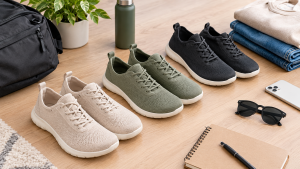
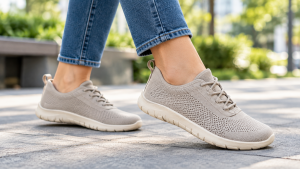
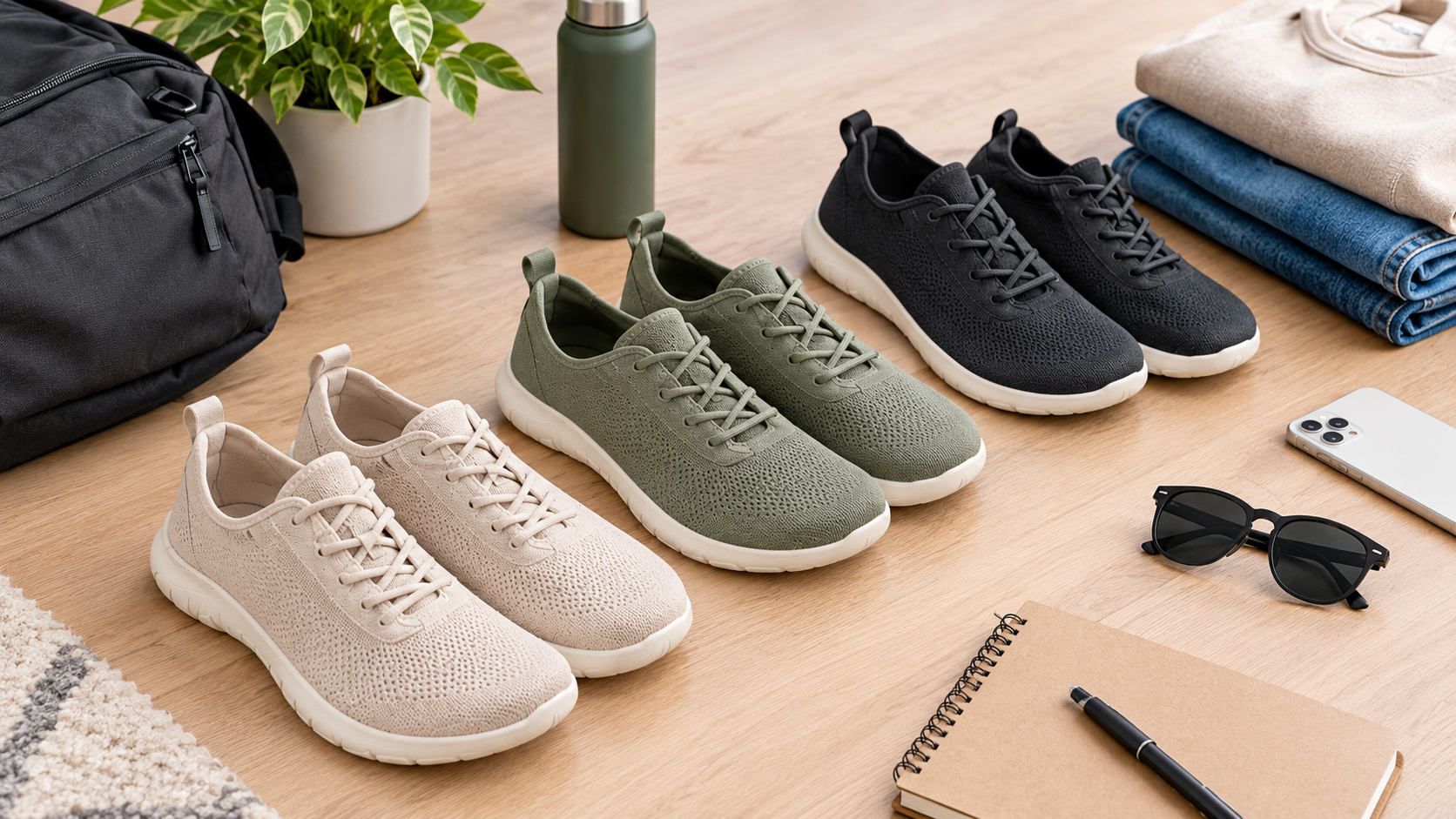
A simple sneaker can work with jeans, casual trousers, shorts, leggings, or other relaxed clothing. Neutral-colored footwear can be particularly versatile because it doesn’t compete with the rest of your outfit.
Barefoot-inspired shoes also tend to have a relatively simple appearance. If you prefer minimalist fashion, that understated look may be appealing. On the other hand, shoppers who want highly structured or fashion-focused sneakers may prefer a more traditional design.
For travel, versatility can be especially valuable. A lightweight pair that works with multiple outfits can reduce the number of shoes you need to pack. A wide toe box may also be appreciated during long sightseeing days when your feet spend hours inside the same pair.
However, style should never be the only consideration. A shoe can look great while still being unsuitable for your particular walking habits or foot shape.
Think about where you’ll actually wear the shoes. If they’re primarily for casual errands and everyday activities, a lightweight sneaker may be enough. If you need them for outdoor activities, rainy conditions, or extensive walking, look closely at the specific sole, upper material, traction, and water resistance.
In other words, Hobibear can fit into a casual everyday wardrobe, but choosing the right model is more important than simply choosing the brand.
Durability, Materials, and Maintenance
Everyday shoes naturally experience more wear than footwear reserved for occasional outings. That’s why durability should be considered before buying any pair intended for regular use.
Hobibear offers shoes made with different materials and construction methods, so durability can vary between models. Factors such as the upper material, stitching, outsole construction, and how frequently the shoes are worn can all affect their lifespan.
If you’re buying shoes for daily commuting or walking, pay attention to the outsole. The sole is constantly exposed to pavement, floors, dirt, and moisture, so its construction matters. A shoe designed for lightweight casual use shouldn’t necessarily be expected to withstand the same conditions as dedicated outdoor footwear.
Maintenance can also extend the life of your shoes. Allow footwear to air out after wearing it, especially if you’ve spent several hours walking or exercising. Follow the manufacturer’s cleaning instructions rather than using harsh chemicals that could damage the material.
Rotating between two pairs can also help. Instead of wearing the same shoes every single day, alternating footwear gives each pair more time to dry and recover between uses.
Customer experiences with durability can vary, so don’t rely on a single review. Look for patterns in recent customer feedback and pay attention to comments about soles, stitching, material wear, and long-term use.
If durability is your top priority, compare the construction of the specific Hobibear model with the demands of your routine. That’s a much more useful approach than assuming every shoe in the range will last the same amount of time.
Things to Consider Before Making Hobibear Your Everyday Shoes
Before choosing Hobibear as your everyday footwear, think about what you actually need from a shoe. The first question is whether you prefer a wide, natural-feeling toe area. If you’ve always liked conventional narrow shoes, the roomy design may take some getting used to.
Next, consider cushioning. Some people prefer a minimal, flexible sole, while others need more padding for long periods on hard surfaces. Hobibear’s different designs mean you should compare the specifications rather than treating all models as identical.
Your usual activities matter too. Walking around the neighborhood, working at a desk, traveling, exercising, and hiking place different demands on footwear. A shoe that’s excellent for casual use may not be the right choice for a specialized activity.
You should also check the return policy and ordering information before purchasing. This is particularly important when buying footwear online because fit can be difficult to judge without trying the shoes on first.
Finally, read recent reviews for the exact model you’re considering. Pay attention to comments about sizing, comfort after several hours, sole flexibility, durability, and whether the shoes match the product description.
The goal isn’t simply to find a shoe that looks comfortable in photographs. It’s to find one that matches your feet, your activities, and your expectations.
Conclusion
Hobibear shoes can be a practical option for everyday wear if you like roomy toe boxes, flexible footwear, and a more natural-feeling shoe design. Different models offer different combinations of cushioning, flexibility, materials, and styling, so there’s no single experience across the entire range. For casual walking, errands, travel, and everyday outfits, certain models may fit comfortably into a daily routine. However, sizing and intended use deserve careful attention before purchasing. Measure your feet, check the specific model’s specifications, read recent reviews, and consider how much cushioning you need. Ultimately, the best everyday shoe is one that fits securely, feels comfortable over time, and suits the surfaces and activities you encounter regularly.
FAQs
Are Hobibear shoes suitable for everyday wear?
Yes, certain Hobibear models are designed for casual activities such as walking, errands, travel, and everyday use. The best choice depends on the model’s cushioning, sole, and fit.
Are Hobibear shoes comfortable for long walks?
They can be comfortable for walking, particularly if you select a model with appropriate cushioning and a good fit. People accustomed to minimalist footwear may find the transition easier than those used to highly cushioned shoes.
Do Hobibear shoes have a wide toe box?
Many Hobibear models are designed with wide toe areas. This provides additional space around the front of the foot compared with many conventional shoe designs.
Are Hobibear shoes good for standing all day?
It depends on the model and your personal preferences. If you stand on hard surfaces for long periods, consider a model with additional cushioning rather than choosing solely based on flexibility.
How should I choose my Hobibear shoe size?
Measure your feet and compare the measurements with the size chart provided for the specific model. Don’t rely only on your usual size from another footwear brand.
Can Hobibear shoes be worn with regular clothes?
Yes. Many of the casual sneaker styles can be paired with jeans, trousers, shorts, leggings, and other everyday clothing.
Are Hobibear shoes good for running?
Some models may be suitable for active use, but not every Hobibear shoe is designed for running. Check the individual product specifications and consider whether its cushioning, traction, and construction match your running needs.


