





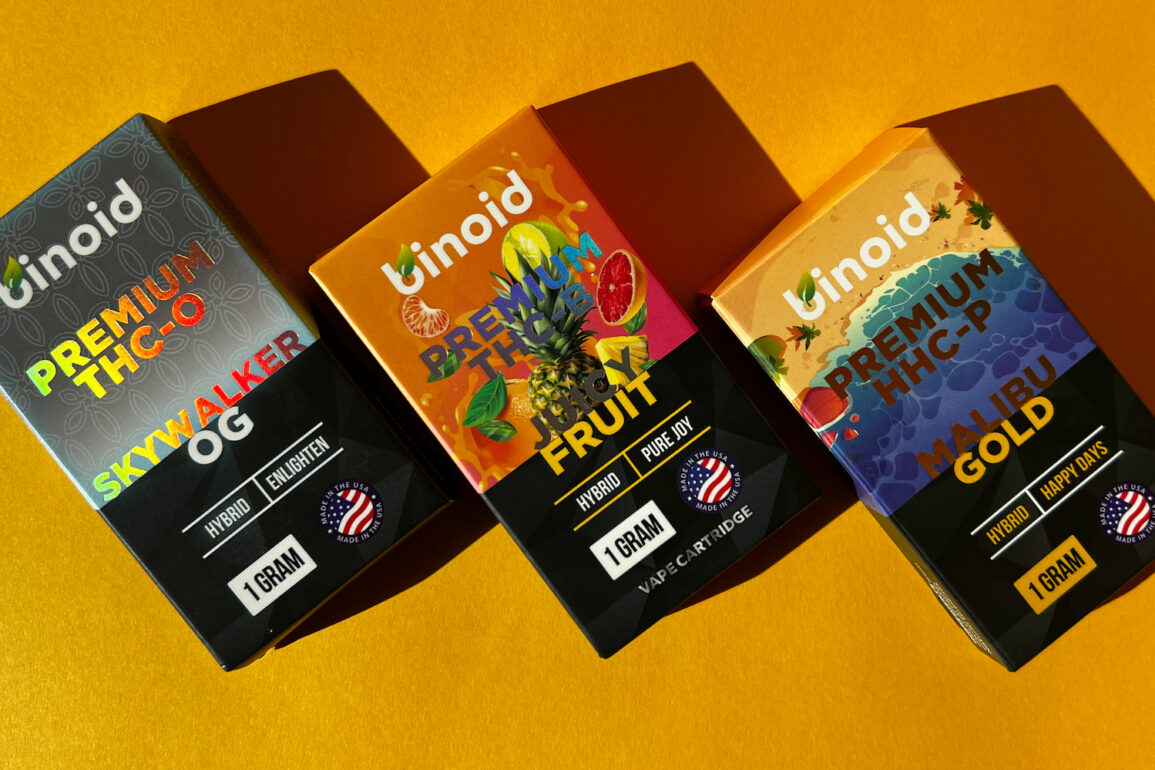
Why Transparency Matters
As the market for hemp-derived products has grown, consumers have become increasingly interested in understanding how these products are made and how companies communicate information about quality.
Regardless of the type of hemp-derived product, transparency helps people make informed decisions by providing clear information about ingredients, manufacturing practices, and independent testing.
The Role of Third-Party Testing
Independent laboratory testing is widely used throughout many industries to verify product information.
For hemp-derived products, laboratory reports may provide information such as:
- Ingredient composition
- Cannabinoid profile
- Batch identification
- Heavy metal screening
- Microbial testing
- Residual solvent analysis
Independent testing helps improve product transparency by allowing manufacturers to verify product specifications through an external laboratory.
Understanding Certificates of Analysis
A Certificate of Analysis (COA) is a laboratory document prepared by an independent testing facility.

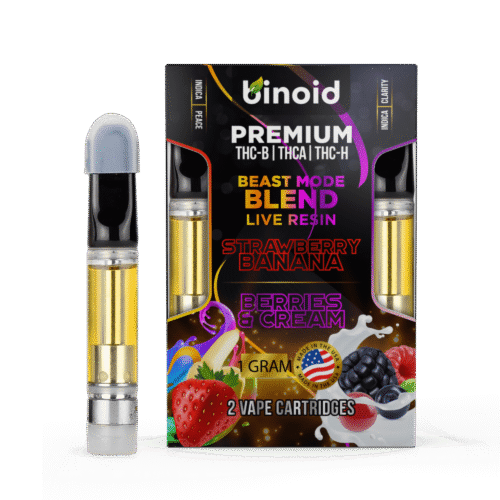
A COA commonly includes:
- Product identification
- Batch number
- Testing date
- Laboratory details
- Analytical results
Consumers often use these reports to better understand the contents of a particular batch.
Reading Product Labels
Product labels provide important information beyond marketing claims.
Useful details may include:
- Ingredient list
- Suggested storage conditions
- Manufacturer information
- Batch or lot number
- Expiration date
Taking time to read labels carefully can help consumers understand what information is available.
Manufacturing Standards
Many manufacturers emphasize quality control throughout production.
Common quality practices may include:
- Batch tracking
- Ingredient sourcing
- Quality assurance procedures
- Independent laboratory verification
- Manufacturing documentation
These processes contribute to greater consistency across production batches.
Regulations Continue to Evolve
Regulations for hemp-derived products vary between countries and regions.
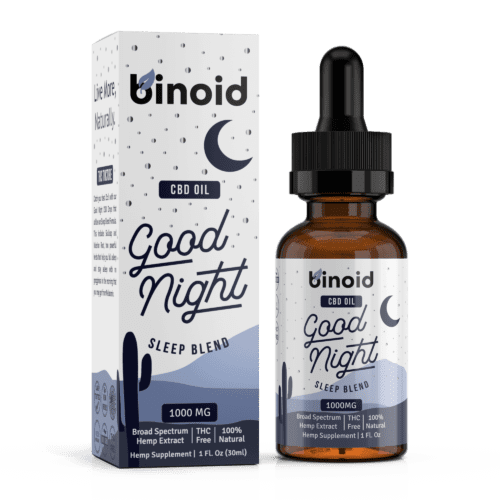
Requirements may differ regarding:
- Manufacturing standards
- Product labeling
- Laboratory testing
- Distribution
- Marketing practices
Consumers should always be aware of the regulations that apply where they live.
Questions Consumers Can Ask
When evaluating any hemp-derived product, useful questions include:
- Is independent laboratory testing available?
- Is the ingredient list clearly displayed?
- Are manufacturing details transparent?
- Is the batch information easy to locate?
- Does the company explain its quality process?
These questions encourage informed decision making based on available information.
The Importance of Consumer Education
Understanding how products are manufactured and tested helps consumers interpret information more effectively.
Topics worth learning about include:
- Product testing
- Quality assurance
- Label terminology
- Manufacturing practices
- Regulatory compliance
Education supports informed decision making across many consumer product categories.


Final Thoughts
As interest in hemp-derived products continues to grow, transparency and quality assurance remain important topics for consumers. Learning about third party testing, Certificates of Analysis, manufacturing standards, and product labeling helps people better understand the information companies provide and encourages informed consumer choices.


