





Introduction
Shipping a car from America to UK can be an exciting option if you’ve purchased a classic vehicle, are relocating, or simply found a car in the United States that isn’t available locally. However, getting a vehicle across the Atlantic involves more than booking a ship. You’ll need to consider transportation to the U.S. port, ocean freight, customs clearance, import duties, taxes, compliance requirements, and UK registration.
The good news is that the process becomes much easier when you understand each stage before your car leaves America. From choosing between container shipping and RoRo transport to preparing the correct paperwork, careful planning can prevent expensive delays. This guide explains what you need to know about shipping a car from America to UK and how to make the process as smooth and cost-effective as possible.
How Does Car Shipping from America to the UK Work?
The process usually starts with transporting your vehicle to a suitable U.S. departure port. The exact port will depend on where the car is located, the shipping company you choose, and the available sailing schedules. Major U.S. ports commonly used for international vehicle shipping include locations on the East Coast, Gulf Coast, and West Coast.
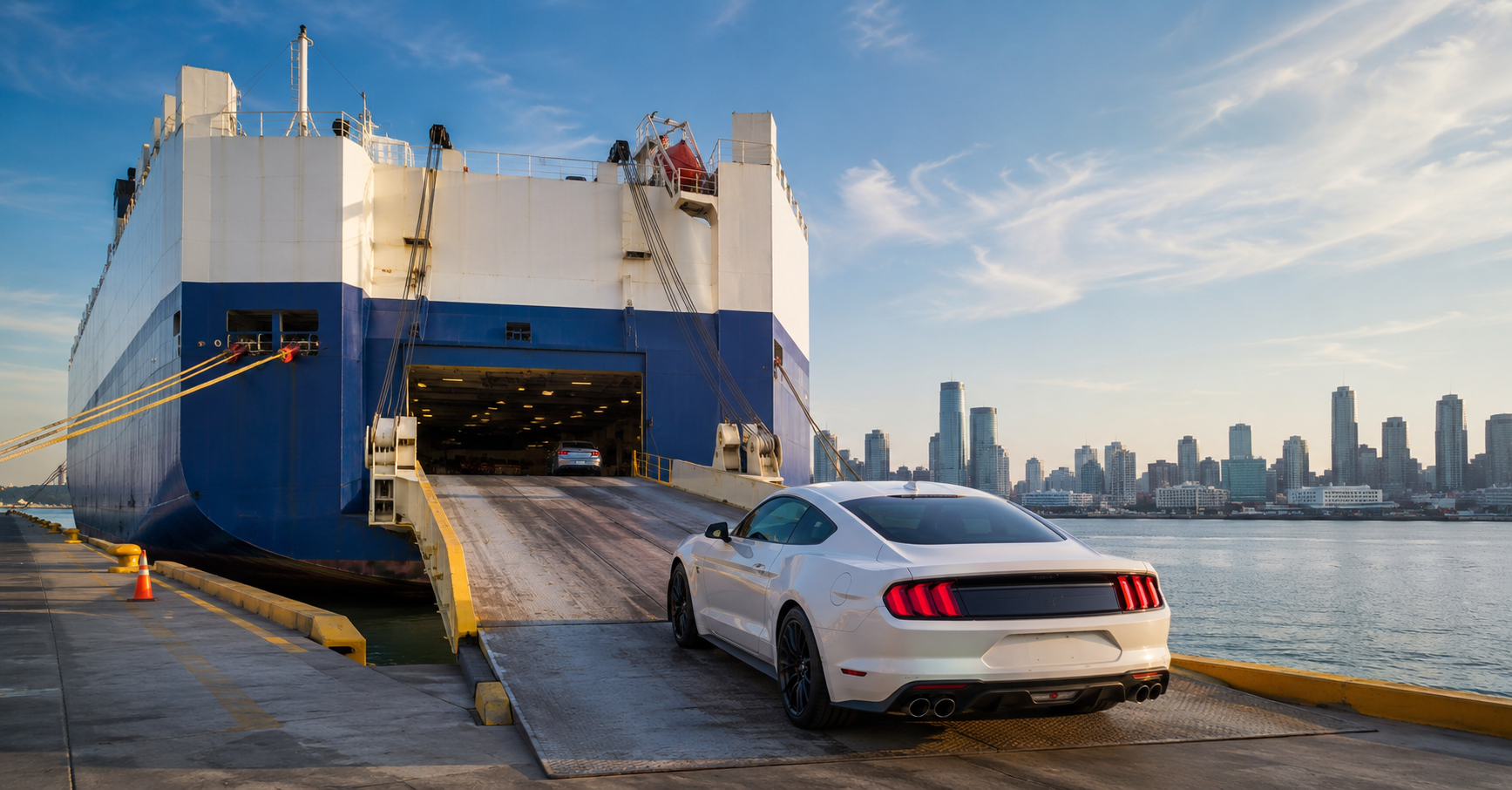
Once the car reaches the port, it’s prepared for export and loaded onto a vessel. You’ll generally have two main shipping options: RoRo (Roll-on/Roll-off) and container shipping.
RoRo is often the simpler and more economical choice for standard vehicles. The car is driven onto a specialized ship and secured inside the vehicle deck. Container shipping, meanwhile, places the vehicle inside a shipping container. This can provide additional protection and may be particularly attractive for valuable, classic, luxury, or modified vehicles.
After the ocean journey, the vehicle arrives at a UK port, where customs procedures begin. Import documentation, taxes, and any applicable duties must be dealt with before the vehicle can be released.
You’ll then need to make sure the vehicle meets UK road requirements. Depending on the vehicle, this can involve modifications, inspections, testing, and registration with the appropriate UK authorities.
Planning every stage in advance is important because a delay at one point can affect the entire process.
How Much Does It Cost to Ship a Car from America to the UK?
The total cost of shipping a car overseas varies considerably. There isn’t one fixed price because several factors affect the final bill.
The first major expense is ocean freight. Your price can depend on the vehicle’s size, shipping method, departure port, destination port, and current freight rates. Container shipping generally costs more than RoRo, although the extra protection can make sense for certain vehicles.
You’ll also need to consider inland transportation in America. If your vehicle isn’t close to the departure port, a vehicle transport company may need to collect it and deliver it to the port. The distance, vehicle condition, and transport method can all affect this charge.
Other potential expenses include:
- Export documentation and processing
- Port handling fees
- Marine cargo insurance
- UK customs clearance
- Import duty
- VAT
- UK port charges
- Vehicle compliance modifications
- MOT or other required testing
- Registration and licensing costs
- Delivery from the UK port to your address
Import taxes can be particularly important when calculating the overall cost. The amount payable may depend on factors such as the vehicle’s value, origin, classification, and your circumstances.
For that reason, don’t compare international car shipping quotes based only on the advertised ocean freight price. Ask whether the quote includes port fees, documentation, insurance, customs clearance, and delivery. A seemingly cheap quote can become considerably more expensive when additional charges are added later.
What Documents Do You Need to Import a Car into the UK?
Having the right documentation is one of the most important parts of an international vehicle shipment. Missing or incorrect paperwork can result in delays and additional storage or handling costs.
You’ll normally need documentation that establishes ownership and identifies the vehicle. Depending on your circumstances, this can include the original U.S. vehicle title, purchase invoice or bill of sale, shipping documentation, identification documents, and customs paperwork.
The Vehicle Identification Number (VIN) should match across the relevant documents. Any discrepancies should be addressed before shipping wherever possible.
You’ll also need to provide information required for customs and import procedures. Your shipping company or customs agent can explain which documents are needed for your particular vehicle and circumstances.
If the car is being imported because you’re moving to the UK, your situation may be different from someone who has purchased a vehicle specifically for import. Certain reliefs or exemptions may be available in particular circumstances, but eligibility depends on the relevant rules and your personal situation.
It’s also sensible to keep digital copies of every important document. Store the originals safely and make sure your shipping agent has everything required before the vehicle is loaded.
A professional car shipping company can often coordinate much of the paperwork, but you shouldn’t assume they’re responsible for every legal requirement. Ask specifically what they handle and what you need to arrange yourself.
UK Import Requirements, Taxes, and Vehicle Compliance
Getting your vehicle into the UK legally is only part of the process. Before you can drive it normally on UK roads, it needs to meet the applicable requirements for imported vehicles.
One of the biggest considerations is customs duty and VAT. The amount you pay can vary according to the vehicle, its value, country of origin, and the reason for importation. Some vehicles, particularly certain classic cars, may qualify for different treatment under specific rules. If you believe you qualify for an exemption or reduced rate, confirm this before the vehicle is shipped.
American-market vehicles may also require modifications to comply with UK road standards. For example, lighting, indicators, speedometer displays, or other equipment may need adjustment depending on the vehicle.
The appropriate registration process can also vary. Imported vehicles may require additional checks or testing before they can be registered. The age and type of vehicle can affect which requirements apply.
For newer vehicles, emissions and safety requirements can be particularly important. Older and classic vehicles may fall under different rules.
This is why it’s worth researching UK import requirements before buying a vehicle in America. A car that appears to be an excellent bargain could require significant modification after arrival.
If you’re unsure about the rules, speak with a qualified customs agent, vehicle importer, or relevant UK authority before committing to the shipment. Getting professional advice early is usually cheaper than discovering a compliance problem after the vehicle arrives.
Choosing the Right Car Shipping Company
Choosing a reliable international auto shipping company can make a significant difference to your experience. You’re not simply paying someone to move a car—you’re trusting them with an expensive asset and a complicated international logistics process.
Start by checking whether the company has genuine experience with USA-to-UK vehicle shipping. Ask how long they’ve handled international vehicle imports and which U.S. and UK ports they regularly use.
Get a written quote that clearly separates the major costs. Ideally, it should explain ocean freight, inland transportation, port charges, customs services, insurance, and final delivery.
You should also ask about insurance coverage. Standard carrier liability may not provide the same protection as comprehensive marine cargo insurance, so find out exactly what is covered and what exclusions apply.
Reviews can be useful, but don’t rely exclusively on star ratings. Look for detailed customer experiences involving international vehicle shipments, customs clearance, communication, and damage claims.
Another important consideration is communication. A good shipping company should be able to explain the process clearly rather than using vague promises about “door-to-door” service.
Before handing over the vehicle, photograph its exterior and interior thoroughly. Record existing scratches, dents, mileage, and the vehicle’s general condition. These records can be useful if you need to make an insurance or damage claim.
The cheapest shipping company isn’t necessarily the best choice. Reliability, transparent pricing, insurance, and experience can be much more valuable when transporting a vehicle thousands of miles overseas.
Tips for Making Your UK Car Import Easier
A little preparation can save you considerable time and money. Start by calculating the landed cost of the vehicle rather than looking only at its purchase price.
For example, if you buy a car in America for a very attractive price, add U.S. inland transport, ocean freight, insurance, port fees, customs charges, import taxes, compliance work, registration, and UK delivery. The final figure may be very different from the original purchase price.
Check the vehicle’s title and history before buying it. Make sure the VIN is correct and that there are no ownership issues that could complicate export or import procedures.
Choose your shipping method based on the vehicle rather than price alone. RoRo can be suitable for many ordinary cars, while container shipping may be preferable for high-value, collectible, or particularly delicate vehicles.
Don’t leave customs planning until the car has already arrived. Understand the likely import requirements beforehand and ensure the required documentation is ready.
It’s also wise to allow extra time. International shipping schedules can change because of port congestion, vessel availability, customs processing, weather, or documentation issues.
Finally, work with professionals when the process becomes complicated. An experienced shipping company and customs specialist can help you avoid mistakes that could otherwise result in delays and unexpected costs.
Conclusion
Shipping a car from America to UK involves several stages, from collecting the vehicle in the United States to arranging ocean transport, completing customs procedures, paying applicable taxes, meeting UK vehicle requirements, and registering the car. The overall cost depends on factors such as the vehicle’s size, shipping method, departure location, destination port, taxes, and compliance work.
The best approach is to calculate the complete landed cost before purchasing the vehicle and choose an experienced international shipping provider with transparent pricing. With the right paperwork and preparation, shipping a car from America to UK can be a straightforward process rather than a stressful one. Taking time to understand the requirements upfront can also help you avoid costly surprises after your vehicle arrives.
Frequently Asked Questions
How long does it take to ship a car from America to the UK?
The ocean voyage itself can take several weeks, but the complete process can take longer when U.S. inland transportation, port handling, customs clearance, and UK registration are included. Shipping schedules also vary by departure and destination ports.
Is it cheaper to use RoRo or container shipping?
RoRo is often the more economical option for standard vehicles because the car is driven directly onto the vessel. Container shipping can cost more but provides additional protection and may be better suited to valuable or classic vehicles.
Do I have to pay import tax on a car from the USA?
Potentially, yes. Import duty and VAT may apply, although the amount and applicable treatment depend on factors including the vehicle, its value, origin, and your circumstances. Check the current UK rules before shipping.
Can I import a left-hand-drive American car into the UK?
Yes, left-hand-drive vehicles can generally be imported into the UK, but they may require certain adjustments or checks before they can be registered and used on UK roads.
Can a classic American car be imported into the UK?
Yes. Classic American vehicles are regularly imported into the UK. However, classic-car importation can involve specific customs, tax, testing, and registration considerations depending on the vehicle’s age and circumstances.
Should I use a shipping agent or arrange everything myself?
For a first-time importer, using an experienced shipping company or customs agent can simplify the process considerably. They can help coordinate transportation, shipping documentation, customs procedures, and delivery.
What is the most important thing to check before shipping?
Calculate the complete landed cost and confirm that the vehicle can legally meet UK requirements. A low purchase price doesn’t necessarily mean the car will be inexpensive after shipping, taxes, modifications, and registration.


