





Introduction
Learning how to ride a bike is one of the most rewarding skills you can develop. Whether you’re a child eager to explore the neighborhood, an adult learning for the first time, or someone returning to cycling after years away, riding a bicycle offers freedom, exercise, and fun. While the process may seem intimidating at first, most people can learn with patience, practice, and the right techniques.
Cycling improves physical fitness, boosts confidence, and provides an eco-friendly way to travel. The key is understanding the basics before jumping onto a bike. From choosing the right bicycle to mastering balance and steering, each step builds the foundation for safe and enjoyable riding. This guide walks you through everything you need to know to become a confident cyclist.
Choosing the Right Bike and Safety Gear
Before you start riding, it’s important to have the proper equipment. The right bicycle and safety gear can make learning much easier and safer.
The first step is selecting a bike that fits your height. When standing over the frame, you should have enough clearance between your body and the top tube. A properly sized bike allows better control and confidence while learning.
Your saddle height is equally important. Beginners often feel more comfortable lowering the seat slightly so they can place their feet on the ground when necessary. As your confidence grows, you can gradually adjust the seat to the correct riding position.
Safety equipment should never be overlooked. A certified helmet is the most essential piece of cycling gear. It helps protect your head in the event of a fall. You may also consider knee pads, elbow pads, and gloves, especially if you’re nervous about learning.
Check your bike before every ride. Ensure the brakes work properly, tires are inflated, and the chain is functioning smoothly. Performing these simple checks reduces the risk of accidents and mechanical issues.
Starting with the right setup creates a comfortable learning experience and helps you focus on developing your riding skills rather than worrying about equipment problems.
Learning Balance and Building Confidence
Balance is the foundation of cycling. Many beginners assume pedaling is the hardest part, but maintaining balance is actually the most important skill to master.
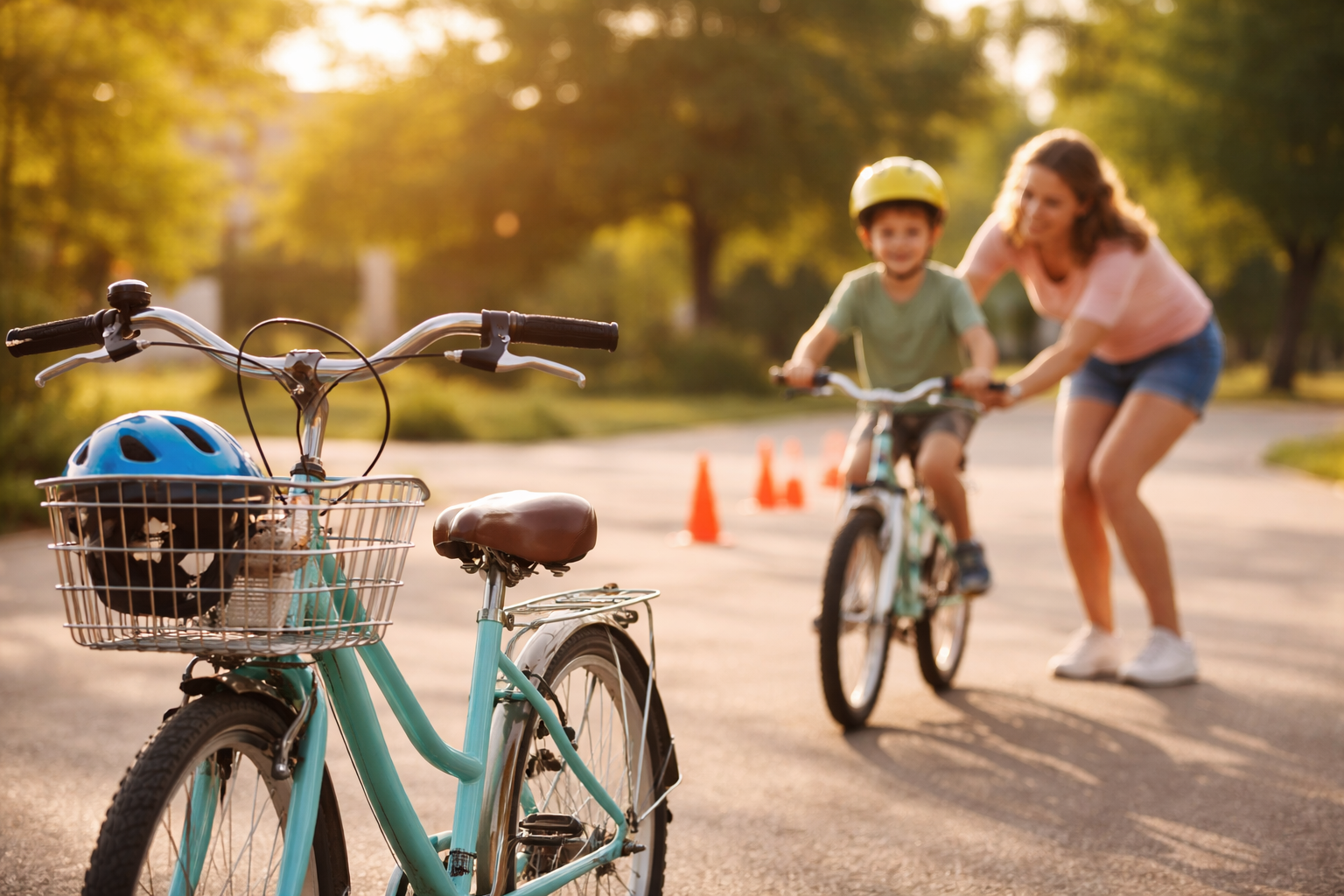
Find a flat, open area free from traffic and obstacles. Parks, empty parking lots, and quiet streets are excellent locations for practice. Start by sitting on the bike and walking it forward while keeping both feet close to the ground.
Next, practice gliding. Push yourself forward gently and lift your feet for a few seconds. Focus on looking ahead rather than down at your front wheel. Your body naturally follows where your eyes are directed, making it easier to stay balanced.
During these early sessions, avoid rushing into pedaling. Spend time getting comfortable with the feeling of the bike moving beneath you. The more relaxed you are, the easier balancing becomes.
Many new riders discover that balance improves quickly once they gain a little momentum. A bicycle is actually more stable while moving than when standing still. This is why short glides are an effective learning technique.
Building confidence is just as important as building skill. Celebrate small improvements and remember that every experienced cyclist started as a beginner. With regular practice, balancing will begin to feel natural.
Mastering Pedaling, Steering, and Braking
Once you’re comfortable balancing, it’s time to combine that skill with pedaling, steering, and braking.
Position one pedal slightly higher than the other. Place your stronger foot on the raised pedal and push down firmly to begin moving forward. As the bike gains momentum, place your other foot on the opposite pedal and continue pedaling smoothly.
Keep your hands relaxed on the handlebars. Beginners often grip too tightly, which can make steering feel difficult. Instead, maintain a light but controlled hold.
When steering, avoid sudden movements. Small adjustments are usually enough to change direction. Looking where you want to go helps guide the bike naturally. If you’re turning left, focus your eyes on the path ahead rather than directly at the handlebars.
Braking is another critical skill. Most bicycles have front and rear brakes. Apply both brakes gradually and evenly to slow down safely. Grabbing the brakes suddenly can cause loss of control.
Practice starting, stopping, and turning repeatedly in a safe environment. These basic skills form the foundation of confident cycling and prepare you for more challenging situations later.
As you continue practicing, you’ll find that pedaling, steering, and braking become second nature.
Understanding Road Safety and Cycling Etiquette
Knowing how to control a bicycle is only part of becoming a skilled cyclist. Understanding safety rules and proper etiquette is equally important.
Always ride in the same direction as traffic and obey local traffic laws. Cyclists are often required to follow many of the same rules as drivers, including stopping at stop signs and traffic signals.
Use hand signals when turning or changing direction. Signaling helps drivers, pedestrians, and other cyclists understand your intentions. Clear communication reduces the risk of collisions.
Stay alert to your surroundings. Watch for vehicles, pedestrians, pets, potholes, and road debris. Avoid distractions such as texting or wearing headphones at high volume while riding.
Visibility is another key safety factor. Wear bright clothing during the day and use lights and reflectors when riding at dawn, dusk, or night. Being visible helps others see you sooner.
Respect shared paths and trails. Yield when necessary, pass politely, and announce your presence when approaching pedestrians from behind.
Developing safe riding habits early creates confidence and makes cycling more enjoyable. Good awareness and courtesy help ensure positive experiences for everyone sharing the road or trail.
Improving Your Cycling Skills Over Time
Learning how to ride is only the beginning. Like any skill, cycling improves with regular practice and experience.
Start by taking short rides in familiar areas. As your confidence grows, gradually increase distance and explore new routes. Consistent riding helps improve endurance, balance, and bike-handling abilities.
Challenge yourself with different environments. Practice riding on gentle hills, navigating corners, and handling various surfaces such as pavement, gravel, or bike paths. Each new experience expands your skill set.
Consider learning basic bike maintenance. Knowing how to fix a flat tire, lubricate a chain, or adjust brakes can save time and keep your bicycle in excellent condition.
Joining local cycling groups can also be beneficial. Riding with others provides motivation, opportunities to learn new techniques, and a sense of community.
Most importantly, stay patient with yourself. Progress happens gradually, and every ride contributes to your development as a cyclist. The more time you spend on your bike, the more natural and enjoyable cycling becomes.
With practice, you’ll move beyond the basics and discover the many physical and mental benefits that cycling offers.
Conclusion
Learning how to ride a bike is a valuable life skill that combines fun, fitness, and independence. By choosing the right equipment, practicing balance, mastering basic controls, and following safety guidelines, you’ll develop the confidence needed to ride comfortably. Every cyclist progresses at their own pace, so don’t worry if learning takes time. The key is consistency and patience. As your skills improve, cycling can become a lifelong activity that supports both physical health and personal enjoyment. Whether you’re riding for recreation, exercise, or transportation, the journey begins with a single push of the pedals and a willingness to keep learning.
FAQs
How long does it take to learn how to ride a bike?
Most beginners can learn the basics within a few days, although confidence and advanced skills may take several weeks of practice.
Is it harder for adults to learn cycling?
Not necessarily. Adults may feel more cautious, but they can learn effectively with patience and consistent practice.
What is the best age to learn to ride a bike?
Many children start learning between ages 4 and 7, but there is no age limit. People can learn at any stage of life.
Should beginners use training wheels?
Training wheels can help some children, but balance bikes and gliding exercises often teach balance more effectively.
What should I do if I keep falling?
Practice in a safe area, wear protective gear, and focus on balance before pedaling. Most learners improve significantly with repetition.


