





Storing and handling water and chemicals requires more than just a container; it demands a solution engineered for safety, durability, and reliability. Whether for industrial processing, agricultural use, or municipal water treatment, the fabrication quality of storage systems is paramount. Inferior materials or poor construction can lead to leaks, contamination, and costly failures, posing significant risks to both operations and the environment.
This guide explores the critical aspects of high-quality fabrication for water and chemical applications. We will cover the importance of selecting the right materials, understanding key industry standards, and the value of customization. By the end, you’ll have a clearer understanding of what to look for in a fabrication partner to ensure your storage solutions are secure, compliant, and built to last.
The Foundation of Safety: Choosing the Right Materials
The first step in high-quality fabrication is material selection. The substance being stored—whether it’s potable water, corrosive chemicals, or industrial effluent—dictates the most suitable material. Each material offers a unique set of properties, and making the right choice is crucial for ensuring the longevity and integrity of the storage system.
Thermoplastics (Polypropylene & Polyethylene)
Thermoplastics like polypropylene (PP) and high-density polyethylene (HDPE) are popular choices for a reason. They offer excellent chemical resistance, making them ideal for storing a wide range of acids, bases, and other corrosive substances. Their lightweight nature simplifies transportation and installation, while their seamless construction, achieved through plastic welding, eliminates weak points where leaks could occur. Furthermore, these materials are resistant to rust and corrosion, offering a long service life with minimal maintenance. High-quality plastic tanks fabricated from these materials provide a reliable solution for many industries.
Fiberglass Reinforced Plastic (FRP)
FRP is known for its high strength-to-weight ratio and ability to withstand extreme environmental conditions. It can be engineered to resist specific chemicals and is often used for large-capacity tanks. The fabrication process allows for complex shapes, but ensuring a high-quality, void-free laminate is essential to prevent structural weaknesses and potential chemical attack over time.
Stainless Steel
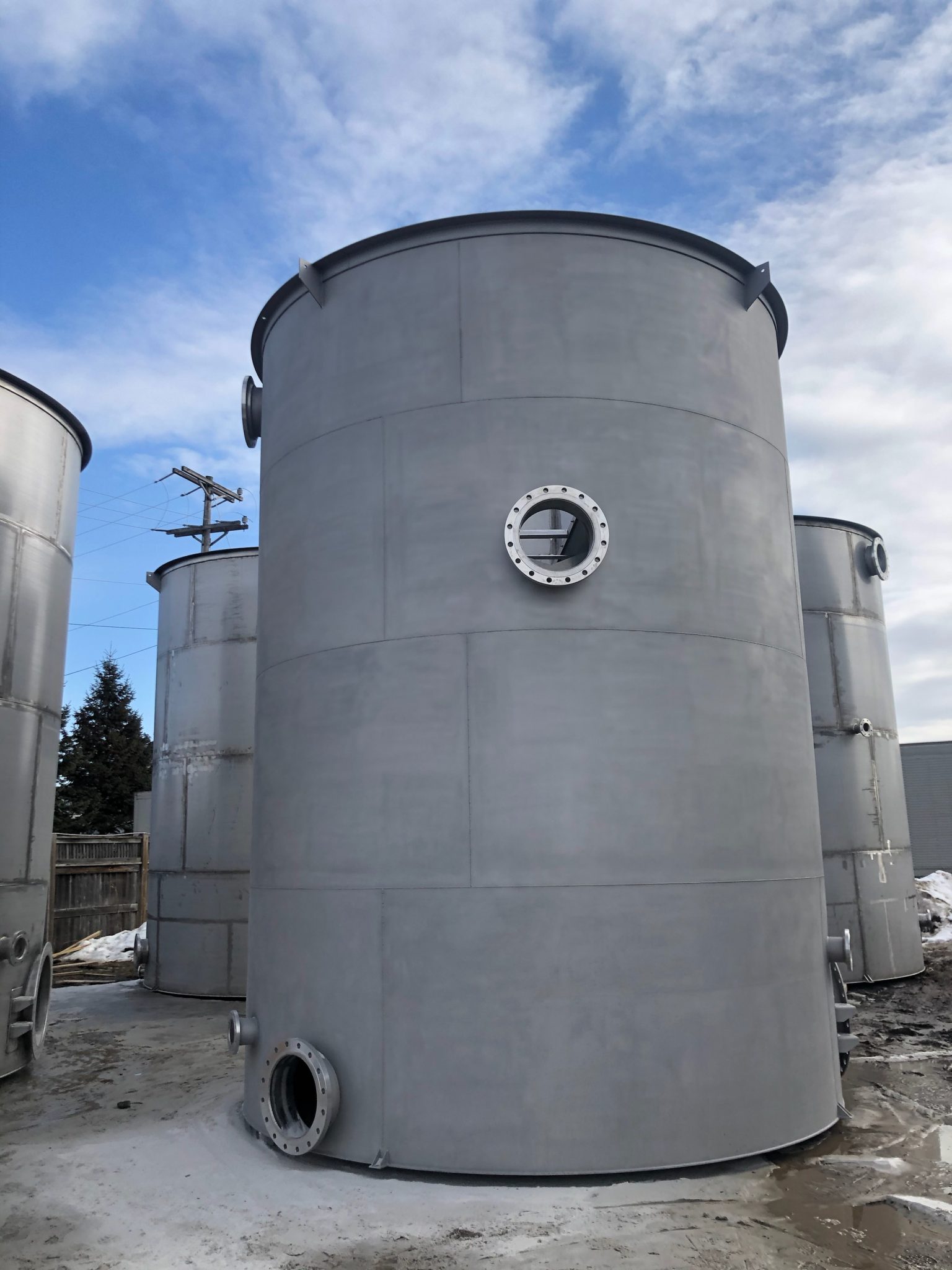
For applications requiring high purity, extreme temperature resistance, or specific sanitary standards, stainless steel is often the material of choice. Grades like 304 and 316 offer excellent corrosion resistance and are easy to clean. The quality of a stainless steel tank depends heavily on the welding process. Expert welding is necessary to maintain the material’s corrosion-resistant properties and ensure a leak-proof, durable structure.
Meeting the Mark: Adherence to Industry Standards
A commitment to quality means adhering to recognized industry standards. These guidelines ensure that fabrication processes meet established benchmarks for safety and performance. When evaluating a fabricator, look for certifications and compliance with standards relevant to your industry.
Key standards include:
- ASTM International: Provides technical standards for a wide range of materials, products, and services. ASTM D1998, for example, is a standard specification for polyethylene upright storage tanks.
- American Welding Society (AWS): For metal tanks, adherence to AWS standards ensures that welding is performed by qualified professionals using proven techniques, resulting in strong and reliable seams.
- NSF/ANSI 61: This standard is crucial for any components that will come into contact with potable water. Certification to NSF/ANSI 61 ensures that the material will not leach harmful contaminants into the drinking water supply.
A reputable fabricator will not only meet these standards but also have a robust quality control program to verify compliance at every stage of the manufacturing process.
Beyond the Basics: The Value of Custom Fabrication
Off-the-shelf solutions don’t always meet the specific needs of a project. Custom fabrication allows you to design a storage system that fits your exact spatial constraints, operational requirements, and chemical compatibility needs.
A skilled fabricator can incorporate features like:
- Custom Nozzles and Fittings: Placed to optimize fluid dynamics and integrate seamlessly with existing plumbing.
- Internal Baffles: To control fluid movement and prevent sloshing during transport or mixing.
- Ladders, Cages, and Handrails: To ensure safe access for inspection and maintenance.
- Secondary Containment: Integrated bunds or double-wall constructions to protect against spills and leaks.
Working with a fabricator who offers design and engineering support is a significant advantage. They can help translate your requirements into a functional, efficient, and safe design, ensuring the final product is perfectly suited for its intended purpose.
Your Partner in Secure Storage
Choosing the right fabrication partner is a critical decision that impacts the safety and efficiency of your operations for years to come. Look for a company with a proven track record, a deep understanding of materials science, and a steadfast commitment to quality and industry standards. By prioritizing high-quality fabrication, you invest in a solution that delivers peace of mind, operational reliability, and long-term value. When your processes depend on the secure containment of water or chemicals, settling for anything less than the best is not an option.


