




Introduction
Receiving an invitation to a black tie event can be exciting, but it often raises questions about what to wear and how to prepare. Unlike casual or business gatherings, black tie occasions follow a formal dress code that emphasizes sophistication, elegance, and timeless fashion. Whether you’re attending a wedding, charity gala, corporate awards ceremony, or formal dinner, understanding the expectations helps you make the right impression.
A black tie dress code doesn’t mean you need an extravagant wardrobe—it simply requires choosing attire that reflects the occasion’s refined atmosphere. From tuxedos and evening gowns to accessories and etiquette, every detail contributes to your overall appearance. This guide explains everything you need to know so you can attend your next formal event with confidence and style.
What Is a Black Tie Event?
A black tie event is one of the most recognized formal social occasions. It typically takes place in the evening and requires guests to wear elegant, traditional formalwear. These events are designed to celebrate important milestones, honor achievements, or raise funds for charitable causes while maintaining an atmosphere of sophistication.
Common examples of black tie events include:
- Luxury weddings
- Charity galas
- Award ceremonies
- Fundraising dinners
- Formal corporate celebrations
- Opera performances
- Exclusive social events
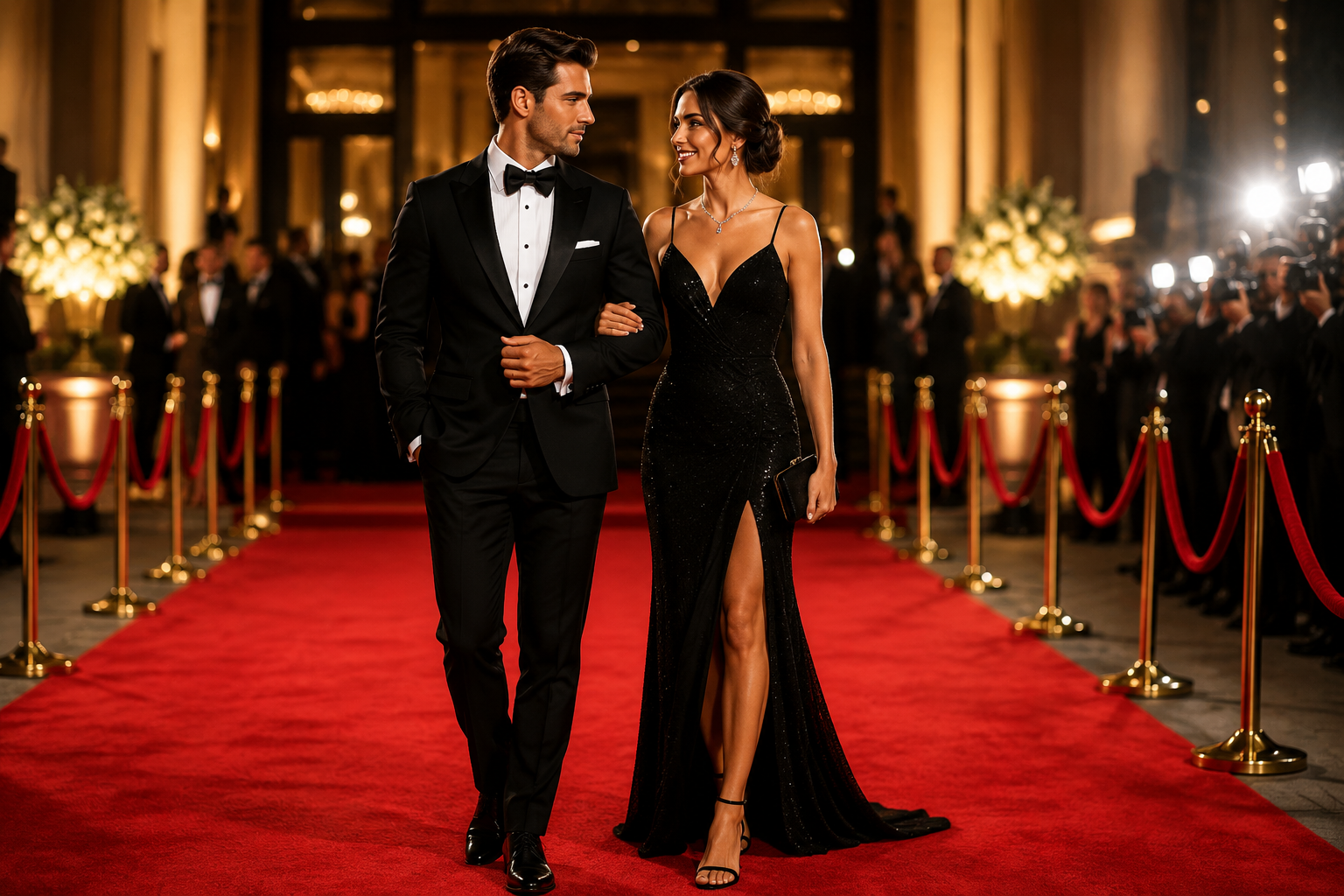
For men, the traditional attire consists of a black tuxedo, white dress shirt, black bow tie, polished dress shoes, and minimal accessories. Women generally wear floor-length evening gowns, elegant cocktail dresses (when specified), or sophisticated formal jumpsuits paired with refined jewelry and heels.
The purpose of a black tie dress code is to create a polished, cohesive appearance among attendees. While modern interpretations allow subtle personal style, classic elegance remains the standard. Reading the invitation carefully is essential, as hosts may specify variations such as “Black Tie Optional” or “Creative Black Tie.”
Understanding these distinctions ensures you arrive appropriately dressed without feeling underdressed or overdressed.
Black Tie Dress Code for Men
When attending a black tie event, men’s formalwear follows well-established traditions. Although modern fashion introduces new textures and colors, the classic tuxedo remains the safest and most stylish choice.
A standard black tie outfit includes:
- Black tuxedo jacket
- Matching tuxedo trousers
- Crisp white formal dress shirt
- Black silk bow tie
- Black patent leather or highly polished Oxford shoes
- Black dress socks
- Cummerbund or low-cut waistcoat
- Optional cufflinks and pocket square
Fit is one of the most important aspects of formalwear. Even an expensive tuxedo can appear ordinary if it doesn’t fit properly. Tailoring ensures clean lines and a refined silhouette.
Accessories should complement rather than dominate the outfit. A classic wristwatch, understated cufflinks, and a neatly folded white pocket square add sophistication without appearing flashy.
Many first-time attendees wonder whether a standard business suit is acceptable. Unless the invitation specifically says “Black Tie Optional,” a business suit generally doesn’t meet the expected dress code. Renting a tuxedo is an excellent alternative if purchasing one isn’t practical.
Grooming also plays a significant role. Freshly polished shoes, neatly styled hair, trimmed facial hair, and well-maintained nails complete the polished appearance expected at formal occasions.
Black Tie Dress Code for Women
Women’s fashion offers greater flexibility while maintaining the elegance expected at a black tie event. Traditionally, a floor-length evening gown is considered the gold standard, although many modern events also welcome sophisticated midi-length gowns or luxurious cocktail dresses when appropriate.
Popular choices include:
- Floor-length evening gowns
- Elegant satin dresses
- Velvet gowns for winter occasions
- Chiffon formal dresses
- Designer formal jumpsuits
- Refined evening separates
Color selection depends on the event and season. Black remains timeless, but jewel tones such as emerald green, sapphire blue, burgundy, navy, and champagne are equally elegant choices. Soft metallic finishes can also create a glamorous appearance without overwhelming the overall look.
Accessories should elevate the outfit. Delicate diamond or pearl jewelry, a stylish clutch bag, and elegant high heels complete the ensemble beautifully. If comfort is important, formal embellished flats are increasingly accepted at many modern events.
Hair and makeup should complement rather than overpower your attire. Soft curls, elegant updos, or sleek hairstyles pair well with polished makeup that enhances natural features.
When choosing a dress, comfort is just as important as appearance. You’ll likely spend several hours socializing, dining, and dancing, so selecting an outfit that allows easy movement ensures you remain confident throughout the evening.
Black Tie Event Etiquette: How to Make the Right Impression
Looking the part is only one aspect of attending a black tie event. Your behavior, punctuality, and respect for the occasion are equally important. Formal events are designed to create an elegant atmosphere, and following proper etiquette helps ensure everyone enjoys the experience.
Begin by responding to the invitation before the RSVP deadline. This allows the host to finalize seating arrangements and event planning. On the day of the event, aim to arrive 10 to 15 minutes early. Arriving late can disrupt speeches, dinner service, or scheduled entertainment.
Once you arrive, greet the hosts warmly and introduce yourself to people you haven’t met. Good conversation etiquette involves listening attentively, avoiding controversial topics, and showing genuine interest in others. Keep your phone on silent and use it sparingly. Constant texting or taking excessive photos can appear disrespectful at formal gatherings.
Dining etiquette also matters. Wait until everyone is seated before beginning your meal, use the appropriate utensils, and follow the host’s lead during courses. If alcohol is served, enjoy it responsibly and maintain professional or social decorum throughout the evening.
Finally, thank the host before leaving. A follow-up thank-you message the next day is a thoughtful gesture that reflects excellent manners and appreciation for the invitation.
Common Black Tie Event Mistakes to Avoid
Even well-dressed guests can make simple mistakes that affect their overall appearance or experience. Knowing what to avoid can help you feel confident from the moment you arrive.
One of the most common mistakes is misunderstanding the dress code. A business suit, casual blazer, sneakers, or jeans are generally not suitable unless the invitation clearly states otherwise. Likewise, women should avoid dresses that are excessively casual, overly revealing, or inappropriate for the venue.
Another frequent error is ignoring the importance of proper fit. Clothing that is too loose or too tight can diminish the elegance of an otherwise beautiful outfit. If possible, have your attire professionally tailored before the event.
Accessories should enhance your look rather than compete with it. Oversized jewelry, bulky handbags, or flashy watches may distract from the refined appearance expected at formal occasions. Instead, choose timeless pieces that complement your outfit.
Many guests also overlook grooming. Wrinkled clothing, unpolished shoes, untidy hair, or chipped nail polish can reduce the sophistication of your overall presentation.
Lastly, remember that confidence comes from preparation. Confirm the venue, check the event schedule, and ensure your clothing and accessories are ready well in advance. Proper planning allows you to relax and fully enjoy the evening.
Conclusion
Attending a black tie event is an opportunity to celebrate special occasions while embracing timeless elegance and refined style. Understanding the dress code, selecting well-fitted formal attire, practicing proper etiquette, and avoiding common mistakes will help you feel comfortable and confident throughout the evening. Whether you’re attending your first gala, an upscale wedding, or an awards ceremony, preparation makes all the difference. With the right outfit and polished manners, you’ll leave a lasting impression and enjoy every moment of the occasion with confidence and sophistication.
Frequently Asked Questions
What does a black tie event mean?
A black tie event is a formal evening occasion where guests are expected to wear elegant attire such as tuxedos for men and evening gowns or formal dresses for women.
Can I wear a regular suit to a black tie event?
A standard business suit is usually not appropriate unless the invitation specifically says “Black Tie Optional.” A tuxedo is the traditional choice.
What should women wear to a black tie event?
Women typically wear floor-length gowns, elegant formal dresses, or sophisticated jumpsuits paired with tasteful accessories and formal shoes.
Are black ties always held in the evening?
Yes. Most black tie events begin in the evening, making formal evening wear the expected dress code.
Can I wear colorful accessories?
Yes, but they should be subtle and elegant. Accessories should complement your outfit rather than become the focal point.
Is a cocktail dress suitable for a black tie event?
In some modern settings, an elegant cocktail dress may be acceptable, but a floor-length evening gown remains the most traditional and appropriate choice.
What shoes should men wear to a black tie event?
Black patent leather shoes or highly polished black Oxford shoes are the preferred options for completing a classic tuxedo.


