





Why Are There So Many Cannabinoids?
The hemp market has changed considerably over the past several years.
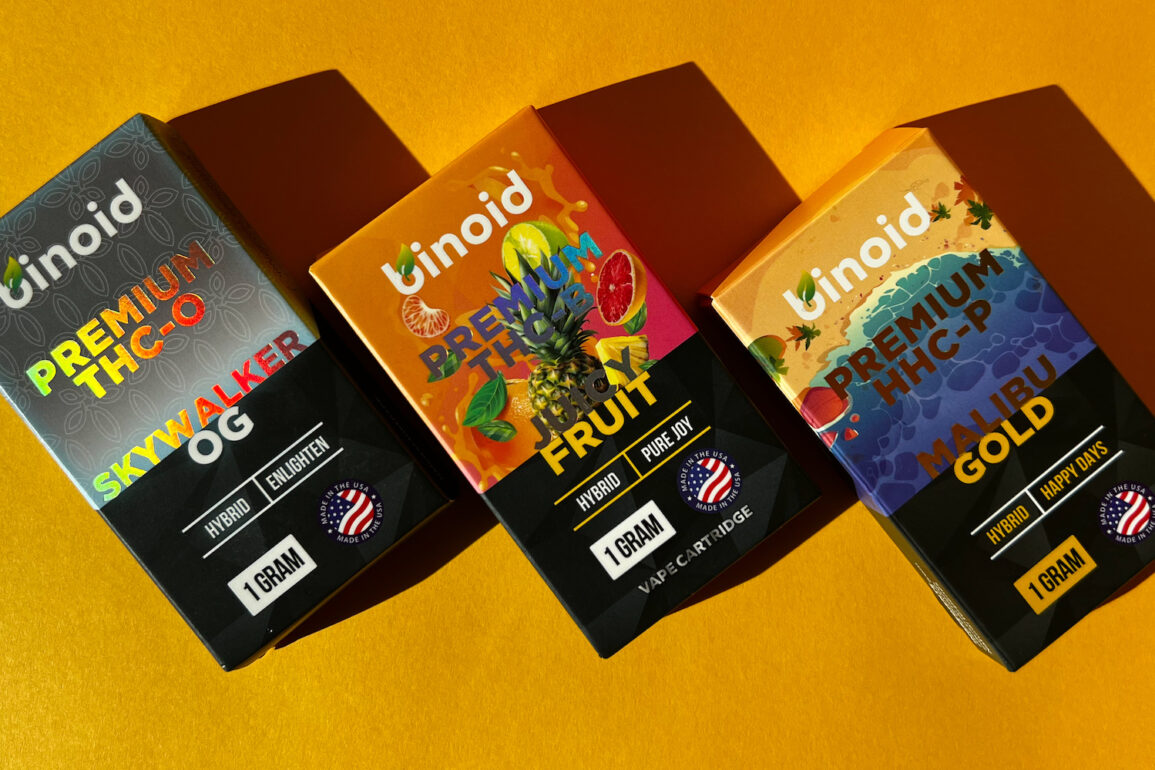
CBD was once the cannabinoid most consumers recognised, but today product labels can feature names such as Delta 8, Delta 9, THCA, THC-P and several others.
For someone encountering these products for the first time, the terminology can quickly become confusing.
Understanding the basics can make product information easier to interpret and help consumers know which questions to ask before considering any hemp-derived product.
What Is a Cannabinoid?
Cannabinoids are naturally occurring compounds associated with the cannabis plant.
CBD and THC are two of the most familiar examples, but they aren’t the only cannabinoids discussed within the modern hemp industry.
Different cannabinoids can have very different properties.
That’s why products shouldn’t be treated as interchangeable simply because they’re all described as hemp-derived.
CBD
CBD stands for cannabidiol.

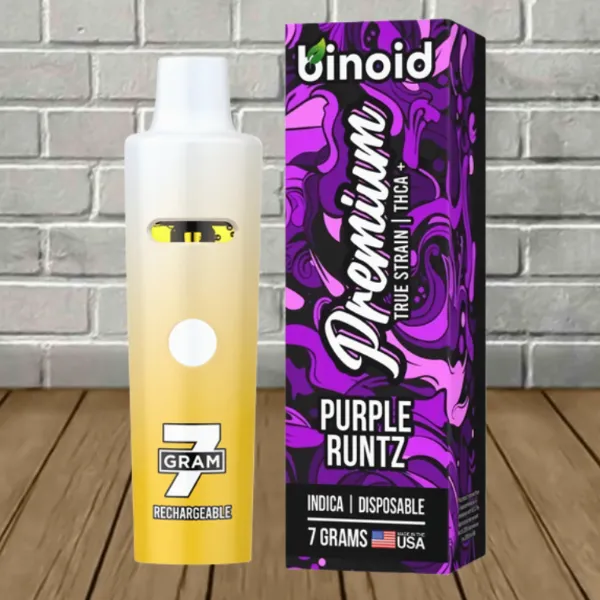
Unlike intoxicating forms of THC, CBD isn’t generally associated with producing a traditional cannabis “high.”
CBD products can appear in several formats, including oils, capsules and topical products.
Consumers should still review the individual product’s ingredients and cannabinoid content carefully rather than assuming that every CBD product has the same formulation.
Delta 8 THC
Delta 8 THC is another cannabinoid found across the hemp marketplace.
Unlike CBD, Delta 8 can be intoxicating.
This distinction is important because someone familiar only with CBD products may incorrectly assume that every hemp-derived product is non-intoxicating.
Never drive or operate machinery after consuming an intoxicating cannabinoid.
Delta 9 THC
Delta 9 THC is the cannabinoid most commonly associated with the intoxicating effects of cannabis.
Hemp-derived Delta 9 products have also appeared within the US market.
However, cannabis and hemp laws vary considerably by jurisdiction and continue to evolve.
Consumers should check the rules applicable where they live before considering a cannabinoid product.
What Is THCA?
THCA stands for tetrahydrocannabinolic acid.
It occurs naturally in cannabis before being converted through heat into THC.
This process is one reason THCA has become increasingly prominent within hemp discussions and product categories.
Binoid’s current website includes THCA among its major categories, alongside THCA vapes, gummies, cartridges and other formats.
What Is THC-P?
THC-P is another cannabinoid now found within some hemp-derived products.
It shouldn’t be confused with conventional Delta 9 THC.
Products containing less familiar or potentially potent cannabinoids deserve particular caution.
Consumers should carefully review cannabinoid concentrations, manufacturer information and warnings before considering use.
Product Format Matters
Cannabinoid products can come in very different formats.

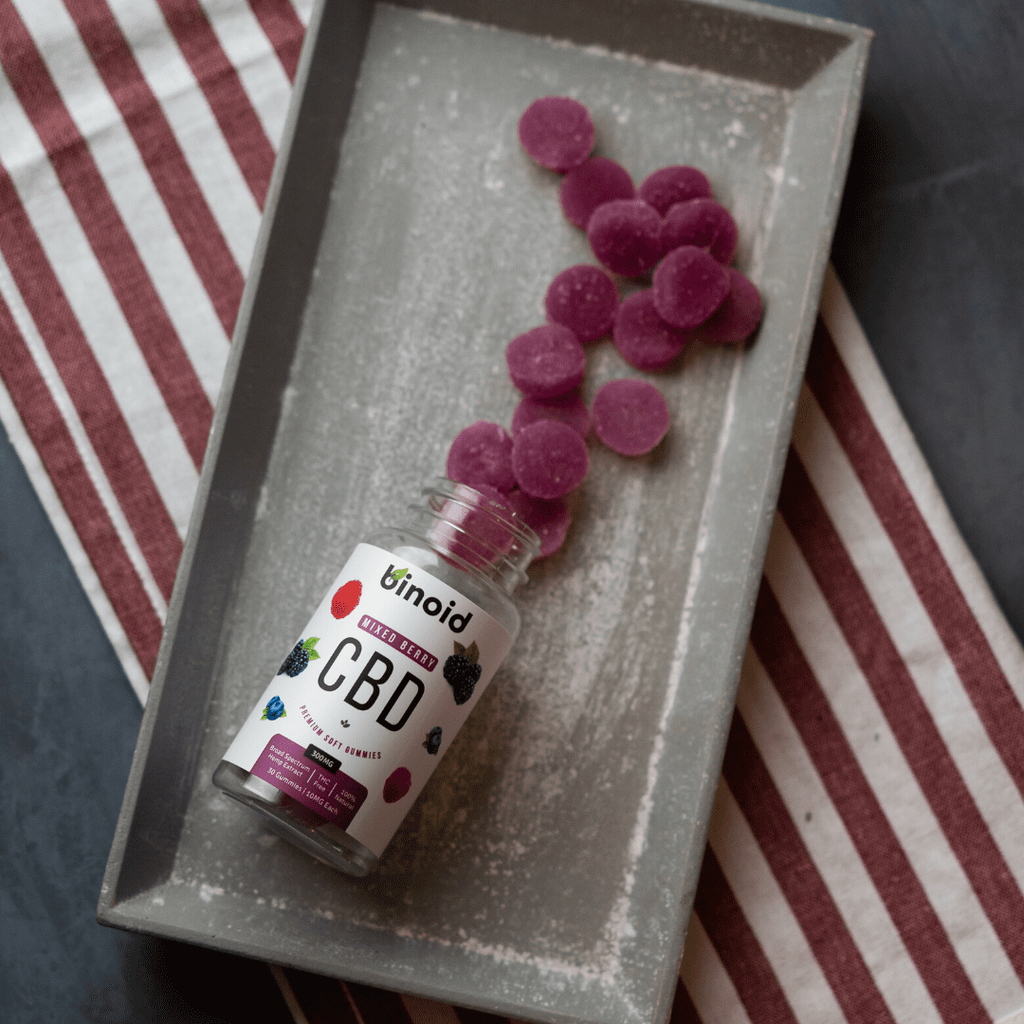
Depending on the cannabinoid and manufacturer, these can include:
- Gummies
- Other edibles
- Tinctures
- Capsules
- Drinks
- Vape products
Different formats can vary in how they’re used and how quickly effects may appear.
Never assume that experience with one format automatically translates to another.
Read the Entire Label
One of the most important habits when evaluating a hemp product is reading beyond the product name.
Look for information including:
- Cannabinoid type
- Amount per serving
- Total amount in the package
- Serving size
- Ingredient list
- Usage instructions
- Age restrictions
- Safety warnings
Products containing multiple cannabinoids deserve additional attention because the overall formulation may differ substantially from a single-cannabinoid product.
Understand Milligrams
Cannabinoid quantities are commonly expressed in milligrams.
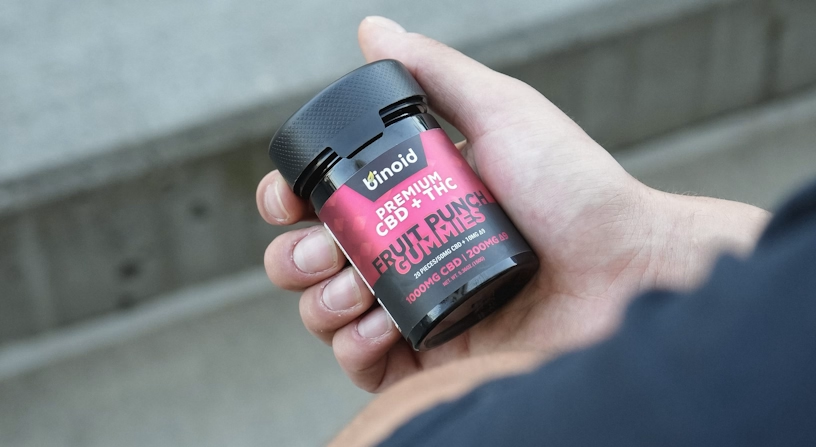
However, a large number printed prominently on the front of a package may refer to the entire container rather than one serving.
Always determine whether the stated amount represents:
- One serving
- One gummy
- One bottle
- One package
- The combined amount of multiple cannabinoids
This distinction can significantly change how you interpret a label.
Why Third-Party Lab Testing Matters
Independent laboratory reports can provide additional information about what’s actually present in a cannabinoid product.
These reports are often called Certificates of Analysis, or COAs.
Depending on the test, a COA may provide information about cannabinoid concentrations and other quality related measurements.
Binoid says its products undergo multiple internal tests before being sent for third party laboratory testing and makes product test results available to customers.
Don’t Rely Only on Marketing Claims
Terms such as “premium,” “strong,” or “advanced” don’t tell you everything you need to know about a product.
Instead, look for concrete information.
Check the cannabinoid content, ingredients, testing documentation and manufacturer warnings.
This provides a much better foundation for understanding what the product actually contains.
Know That Laws Can Differ
The regulatory landscape surrounding hemp-derived cannabinoids is complicated.
A product being available online doesn’t automatically mean that every cannabinoid or format can legally be purchased, possessed or used everywhere.
Rules can differ by:
- Country
- State
- Territory
- Cannabinoid
- Product format
Binoid itself maintains shipping restrictions for certain cannabinoid products to particular US states.
Consumers should verify current local regulations independently before purchasing.
Keep Cannabinoid Products Away From Children
Gummies, chocolates and other edible formats can sometimes resemble ordinary food.
That makes secure storage especially important.
Cannabinoid products should be kept clearly labelled and stored somewhere inaccessible to children and pets.
They should never be transferred into ordinary sweet or snack containers.
Avoid Driving After Intoxicating Products
If a cannabinoid product can impair you, don’t drive after using it.
The same applies to operating machinery or performing other activities where impairment could create a safety risk.
Hemp-derived doesn’t automatically mean non-intoxicating.
CBD and THC-containing products should not be treated as though they have identical effects.
Consider Medication and Health Conditions
Cannabinoids may not be appropriate for everyone.
If you take prescription medications, have an existing medical condition, are pregnant or breastfeeding, or have other health concerns, speak with an appropriate healthcare professional before using cannabinoid products.
Cannabinoid products shouldn’t be used as substitutes for prescribed treatment without medical guidance.
Binoid’s Approach to Hemp Products
Binoid was established in Los Angeles and traces its beginnings to 2018.
The company says it works with hemp sourced from Oregon and manufactures through facilities operating under cGMP and ISO 9001:2015 standards.
Its current website features numerous cannabinoid categories, including CBD, Delta 8 THC, Delta 9 THC, THCA, THC-P, THCV and other cannabinoid blends.
The company also states that its products undergo multiple stages of testing before third party laboratory testing.
Education Matters in a Changing Market
The hemp-derived cannabinoid market continues to develop.
New formulations and cannabinoid names can appear quickly, making it important for consumers to research unfamiliar ingredients rather than relying entirely on previous experience.
Before considering a product:
- Identify the cannabinoids.
- Check the amount per serving.
- Read the warnings.
- Review available lab information.
- Check your local laws.
- Consider whether the product may be intoxicating.
- Avoid combining intoxicating products with driving or other unsafe activities.

Final Thoughts
The modern hemp market extends far beyond CBD.
Products can now contain Delta 8, hemp-derived Delta 9, THCA, THC-P and combinations of several cannabinoids.
That variety makes understanding labels and laboratory information increasingly important.
Binoid offers a large selection of hemp-derived cannabinoid products and publishes laboratory testing information for its range.
Whatever brand you’re researching, focus on transparency rather than hype: understand what cannabinoids are present, check the concentration, review independent testing where available and make sure you understand both the potential effects and the rules where you live.
Being informed is particularly important when products contain intoxicating cannabinoids.


