




The official Swiss ReifenDirekt shop at reifendirekt.ch is only useful after you know the size you are buying. That size is printed on the tyre sidewall — a marking such as a width, an aspect ratio, a construction letter, a rim diameter and, usually, a load and speed index. This article is not a guide to European tyre labels, not a summer-versus-winter explainer, and not a general “how to buy tyres online in Switzerland” overview. The first move is narrower: copy the official sidewall marking into the official Swiss search, and do not guess a size from a previous car, a forum post or an Austrian catalogue.
If you cannot read the sidewall, or if the tyres on the car may already be the wrong size, ask a professional or check the vehicle’s official placard before you order. This article will not invent a size for you.
Open the official Swiss ReifenDirekt shop and search with the exact size copied from your tyre sidewall.
Why the sidewall comes first
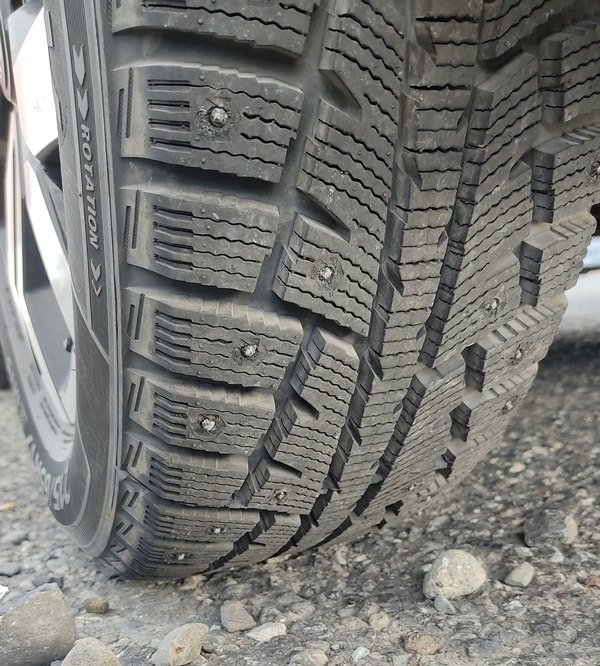
Online tyre shops, including the official Swiss ReifenDirekt site, search a catalogue by size. A single wrong digit can return tyres that will not fit, or that do not match the load or speed rating you should be looking for. The sidewall is the record of what is on the car now. It is not automatically a licence to change that size, but it is the correct string to type into the shop if you are replacing like for like. After the search results appear, you can still decide season, brand and fulfilment — those decisions come second.
Keep the domain in view. reifendirekt.ch is the Swiss shop. A result, a price or a size tool on reifendirekt.at is a different catalogue. Do not mix them.
Copy the size, then choose the tyre type
The right first step is always the same: stand by the tyre (or read a recent, clear photo of the sidewall), write down the full marking, and enter it on reifendirekt.ch. Include the load and speed index when they are shown, because two tyres can share a 205/55 R16 size and still differ on those indices. If the official shop’s search fields are split — width, height, diameter, then indices — use those fields instead of a single text box, but keep the same numbers.
Only after the shop returns official results should you filter by winter, summer or all-season, or open a product page. If you start with a season filter and a guessed size, you can talk yourself into a tyre that is easy to click and wrong for the car. If no results appear, re-read the sidewall before you loosen any number. If results appear but the load or speed index differs from what you copied, stop and get professional advice rather than “rounding” the marking.
A vehicle door-jamb placard or an official handbook can also list approved sizes. If that official list and the sidewall disagree, or if you want to change size, that is a fitting conversation, not something to resolve inside a shopping article.

A short comparison
| What you enter | Use it for | Do not use it for |
|---|---|---|
| The full sidewall marking, including load and speed index if shown | A like-for-like search on reifendirekt.ch | Guessing a “close enough” size from memory |
| The car’s official size placard or handbook | Checking approved sizes when the sidewall is unclear or you plan a change | Replacing a professional inspection |
| A size copied from another country shop or an old invoice | Only as a hint, if it still matches the sidewall | As the primary source for a Swiss order |
EU tyre labels (fuel, wet grip, noise) are a separate official marking system. They can help you compare listings after the size is correct. They do not tell you the size, and this article will not walk through them again.
How to enter the size on the official shop
Open reifendirekt.ch. Use the shop’s size search, not a generic web search. Type or select each element of the marking as the form requests. Then open any product you might buy and read the size line on that page — it should match what you copied. Next, confirm quantity, season if you are filtering, and the official delivery or fitting options for Switzerland. If you are unsure about any part of the sidewall (for example a missing index, or a tyre that looks damaged), photograph the marking and take it to a fitter instead of improvising in the search box.
Do not invent prices or stock here. The official product page is the only current source. A typical passenger-car marking combines a width, a profile, a rim diameter and then the load and speed index; other symbols on the sidewall, such as a date code or a winter marking, are useful information but they are not the size string the shop search is asking for. If you are replacing only one damaged tyre, a professional should still confirm that the new tyre matches the set you will keep — this article will not tell you that a single-tyre order is safe. For a full set, enter the same official size for every tyre you intend to buy and make sure the quantity in the cart matches that plan.
Before you pay
Keep a note of the sidewall marking, the official product name, the size printed on the product page, the quantity, and the fulfilment method. Recheck that you are still on reifendirekt.ch. If anything in the cart does not match the sidewall, do not complete the order. And if the size, load index or fitment still feels uncertain, get in-person advice before you spend.
Catalogue stock, sizes listed and checkout totals on the official Swiss shop can change without notice. Confirm them when you order.
Official source: ReifenDirekt Switzerland. This article contains affiliate links. Prices and promotions on the official shop can change; treat any figures mentioned as a snapshot, not a live quote.