


Portable Power Is Becoming More Versatile
Access to electricity isn’t always as simple as plugging into a wall.
You might need backup power during an outage, electricity while camping, a charging solution for a road trip or additional energy for an off-grid workspace.
That’s where portable power stations can be useful.
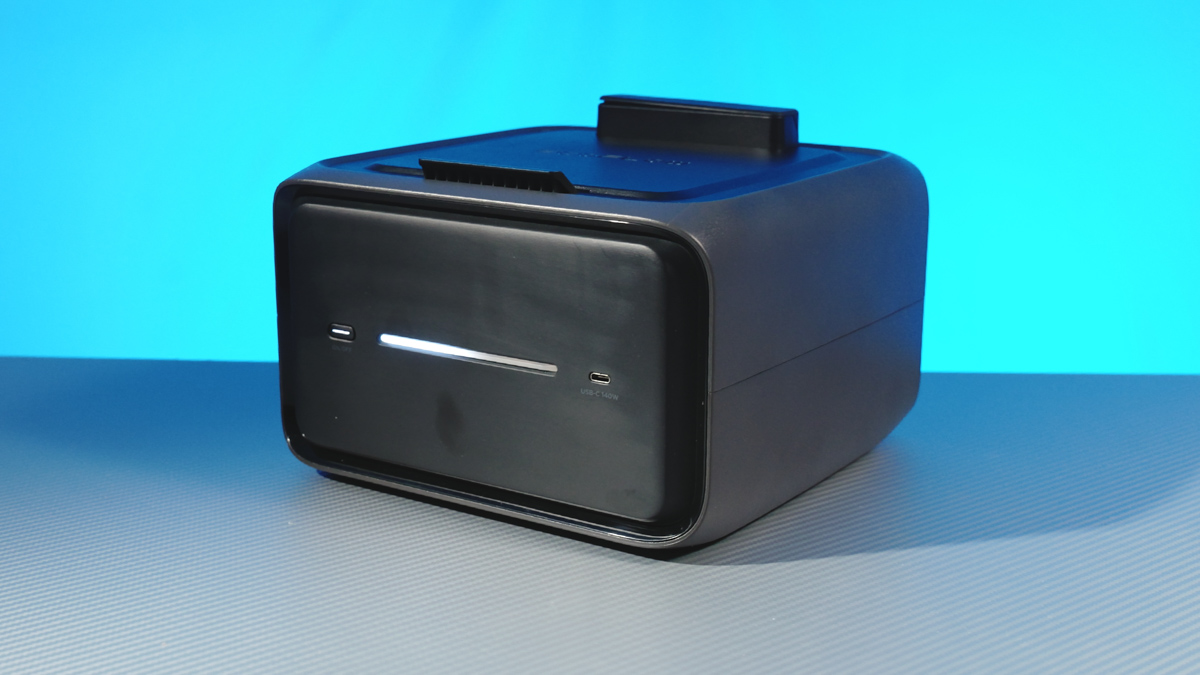
Modern battery powered stations can store electricity and provide multiple connections for everyday devices and appliances.
But capacities and power outputs vary considerably, so choosing the right model starts with understanding what you actually need to power.
What Is a Portable Power Station?
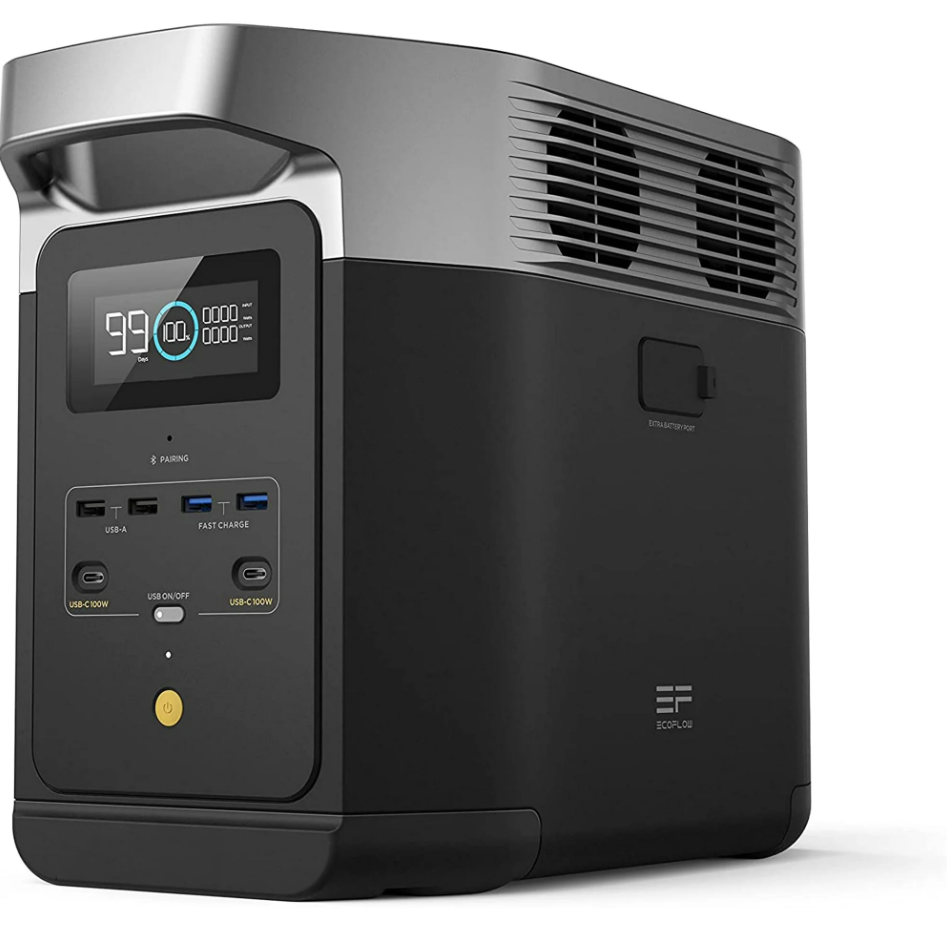
A portable power station is essentially a rechargeable battery system with built-in outlets and charging ports.
Depending on the model, it may provide:
- AC outlets
- USB-A ports
- USB-C ports
- DC connections
- Car-style outlets
- Solar charging inputs
Unlike traditional fuel generators, battery power stations don’t generate electricity by burning petrol or diesel while operating.
Instead, energy is stored in the battery and used when required.
Start With Your Main Use
Before comparing technical specifications, decide where you’ll use your power station most frequently.
Common situations include:
Home Backup
Keeping essential electronics or selected appliances operating during a power interruption.
Camping
Charging phones, cameras, lights, laptops and other campsite equipment.
Road Trips
Providing additional power while travelling by car, campervan or motorhome.
Off-Grid Use
Supporting devices where conventional mains electricity isn’t readily available.
Outdoor Work
Providing portable electricity for compatible equipment away from a convenient outlet.
Your intended use will determine how much capacity and output you need.
Understand Battery Capacity

Portable power station capacity is commonly expressed in watt-hours, or Wh.
A larger Wh figure generally means more stored energy.
For example, a compact power station might provide a few hundred Wh, while larger home backup systems can provide several kWh.
However, bigger isn’t automatically better.
Higher capacity systems can also be heavier and more expensive.
For short camping trips and small electronics, portability may matter more than maximum capacity.
For home backup, additional capacity can become much more important.
Understand Power Output
Capacity and output aren’t the same thing.
Capacity tells you approximately how much energy is stored.
Output tells you how much power the station can deliver at a particular time.
Before connecting an appliance, check its power requirements and compare them with the power station’s rated output.
High power appliances can require substantially more output than phones, laptops and lights.
Make a List of What You Want to Power
A simple equipment list can make choosing much easier.
For camping, you might want to power:
- Smartphones
- LED lights
- Laptop
- Camera batteries
- Portable fridge
For home backup, priorities might include:
- Wi-Fi router
- Phones
- Laptop
- Lighting
- Selected essential appliances
Once you know what’s important, you can look for capacity, output and ports that match those requirements.
Consider the RIVER Series for Portability
EcoFlow’s RIVER range focuses on compact portable power.
Current models include options such as the RIVER 3 Plus, RIVER 2, RIVER 2 Max and RIVER 2 Pro.
The range covers different combinations of capacity and output, allowing shoppers to balance portability against available energy.
Compact power stations can be particularly useful for camping, road trips and everyday portable charging.
Consider the DELTA Series for Greater Power Needs
For larger energy requirements, EcoFlow offers the DELTA family.
DELTA models are designed around higher capacity and output than the compact RIVER range.
Depending on the system, they can be used for applications including:
- Home backup
- RV and motorhome travel
- Off-grid setups
- Outdoor work
- Higher power appliances
Some DELTA models also support expandable capacity, allowing additional battery storage to be added when compatible.
Think About Solar Charging
One major advantage of modern portable power stations is the ability to pair compatible models with solar panels.
Instead of relying exclusively on a wall socket, solar charging allows the battery to be replenished using available sunlight.

This can be particularly useful for:
- Camping
- Motorhome travel
- Remote locations
- Longer outdoor trips
- Off-grid use
EcoFlow currently sells solar generator bundles that combine portable power stations with compatible solar panels.
Solar Charging Depends on Conditions
Solar charging isn’t identical every day.
Actual performance can depend on factors including:
- Sunlight intensity
- Weather
- Panel position
- Panel wattage
- Power station input limits
Manufacturer charging times are generally based on particular test or optimal conditions.
When planning an off-grid setup, allow for real world variation rather than assuming maximum solar production at all times.
Look at Charging Options
Solar isn’t the only way to recharge a portable power station.
Depending on the model, charging options may include:
AC charging: Using a standard wall outlet.
Solar charging: Connecting compatible solar panels.
Car charging: Recharging while travelling using a compatible vehicle connection.
Having several charging methods can make a power station more flexible across different situations.
Fast Charging Can Be Useful
Recharge time matters if you use your power station frequently.
EcoFlow’s current portable models include fast charging technology, with some RIVER products designed to recharge fully from AC power in around an hour under specified conditions.
That can be useful when you have limited time between trips or need to prepare backup power quickly.
Always check the specifications for the exact model because charging performance differs across the range.
Don’t Forget Portability
A huge battery isn’t particularly portable if you struggle to move it.
Before buying, check:
- Product weight
- Dimensions
- Handle design
- Storage space
- How frequently you’ll move it
For regular camping trips, a smaller station may be much more convenient.
For home backup, weight may be less important because the system might remain in one location most of the time.
Check the Available Ports
Count the devices you’re likely to connect.
Then check whether the power station provides enough suitable outlets.
You may need a combination of:
- AC sockets
- USB-C
- USB-A
- DC outputs
USB-C can be particularly convenient for newer laptops, phones and other electronics.
Consider Expandable Capacity
Your energy needs can change.
You might initially purchase a power station for occasional outages and later decide you want longer backup time.
Some EcoFlow DELTA systems support extra batteries that increase total capacity.
Expandable systems can therefore provide more flexibility than buying a completely new setup when your needs grow.
Portable Power for Camping
For many campers, the ideal power station should balance three things:
Capacity
Enough stored energy for essential devices.
Portability
Light enough to transport easily.
Charging flexibility
The ability to recharge through AC, car or solar power.
EcoFlow positions its compact RIVER range particularly around camping, outdoor living and road travel.
Portable Power for Home Backup
Home backup requires a different approach.
Instead of focusing primarily on size and weight, think about what you need to keep operating.
Prioritise essential equipment rather than trying to power everything automatically.
Larger EcoFlow DELTA systems are designed for greater capacity and output, with some models offering expandable battery configurations for longer backup requirements.
Portable Power for Road Trips
Road trips sit somewhere between camping and home use.
You may want to charge:
- Phones
- Tablets
- Laptops
- Cameras
- Portable refrigeration
- Travel accessories
A compact station that can also recharge from a compatible vehicle connection can be especially convenient.
Battery Technology Matters
Battery chemistry is another specification worth checking.
Many current portable power stations use lithium iron phosphate batteries, often written as LFP or LiFePO4.
EcoFlow uses LFP batteries in a number of its current RIVER and DELTA models.
Battery management systems are also designed to monitor factors such as temperature, voltage and current.
Always follow the manufacturer’s charging, storage and operating guidance.
Store and Use Power Stations Properly
Portable power stations still contain high-capacity batteries and should be treated appropriately.
Follow the manufacturer’s instructions regarding:
- Charging
- Ventilation
- Storage temperatures
- Moisture
- Compatible appliances
- Solar connections
- Long term storage
Never use damaged batteries, cables or power stations.
If you notice swelling, unusual heat, physical damage or another potential battery problem, stop using the unit and follow the manufacturer’s safety guidance.
EcoFlow’s Portable Power Range
EcoFlow UK’s current range broadly includes:
RIVER Series – compact portable power stations designed around portability, camping and travel.
DELTA Series – higher-capacity portable systems for home backup, off-grid use and more demanding applications.
Solar Generators – power station and solar panel combinations.
Portable Solar Panels – foldable options for compatible solar charging.
Extra Batteries – additional capacity for selected expandable systems.
This range allows users to choose according to their actual energy requirements rather than relying on one universal power station.
A Simple Buying Checklist
Before choosing a portable power station, ask yourself:
- What devices do I need to power?
- How much output do they require?
- How long do I want them to operate?
- Will I use the station mainly at home or outdoors?
- How important is weight?
- Do I want solar charging?
- Do I need fast AC charging?
- Would expandable capacity be useful later?
- Does the station have the ports I need?
These questions can make comparing different models much easier.


Final Thoughts
Choosing a portable power station isn’t simply about buying the model with the largest battery.
The right choice depends on how and where you’ll use it.
Compact systems can be ideal for camping, road trips and everyday electronics, while larger capacity power stations can provide more flexibility for home backup and off-grid applications.
EcoFlow’s UK range covers both ends of that spectrum, with portable RIVER models, higher capacity DELTA systems and compatible solar charging solutions.
Start by identifying the devices you genuinely need to power, compare their requirements with the station’s capacity and output, and then consider portability, charging options and expandability.
That approach makes it much easier to choose a portable energy setup that actually fits your lifestyle.


