




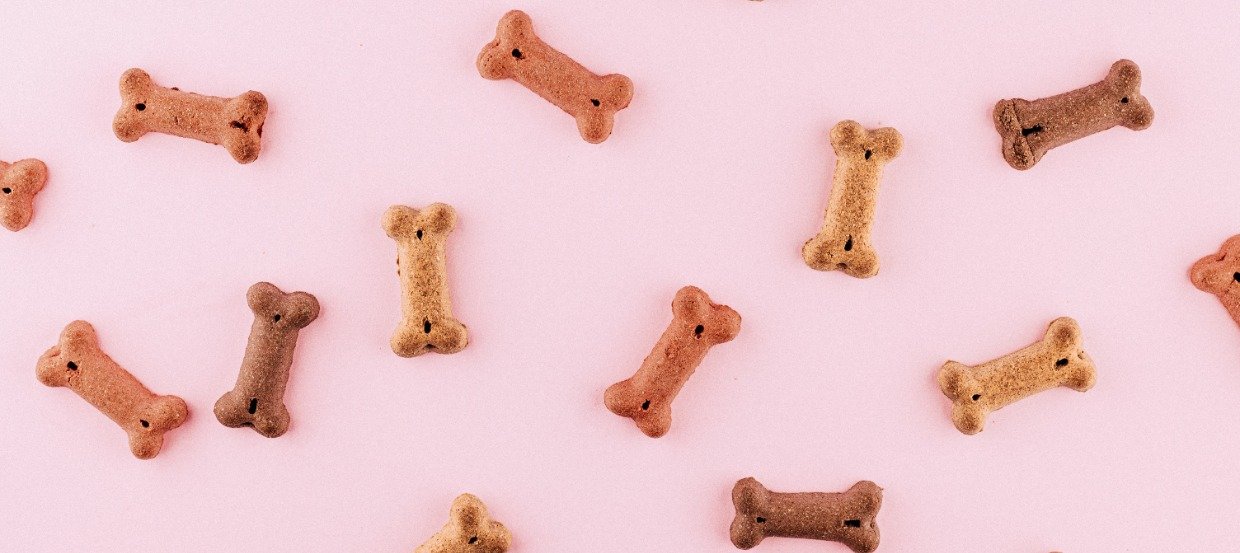
Treats are one of the simplest ways to make your dog happy.
They are useful for training, rewarding good behaviour and strengthening the bond between you and your pet.
However, not all treats are the same.
Some contain lots of sugar, artificial additives or more calories than you might expect.
Choosing the right treats can help your dog enjoy rewards while staying fit and healthy.
This guide explains what to look for, how many treats to give and how Josera can help.
Why Treats Matter
Treats are a powerful motivator for most dogs.
They help reinforce positive behaviour during training.
They can make visits to the vet, grooming sessions or car journeys feel less stressful.
Chew treats can also keep dogs busy and help satisfy their natural need to chew.
Used wisely, treats are a valuable part of daily life with your dog.
Read the Ingredients List
The ingredients list is the best place to start.
Look for treats with a clearly named source of protein, such as beef, chicken, duck or fish.
A short ingredients list is often easier to understand.
Try to avoid treats with added sugar or lots of artificial colourings.
If your dog has a sensitive stomach, grain-free or single protein treats may be worth considering.
Always check that the product is designed specifically for dogs.
Choose the Right Size and Texture
Treat size should match the size of your dog.
Small dogs need small, soft pieces that are easy to chew.
Larger dogs may enjoy bigger chews or crunchy biscuits.
Soft treats are ideal for training because they can be eaten quickly.
Harder chews are better for longer moments of calm and relaxation.
Always supervise your dog with chews, especially if they tend to gulp food.
How Many Treats Should a Dog Have?
Treats should only make up a small part of your dog’s daily calories.
Many vets recommend keeping treats to around ten percent of daily intake.
If you give lots of treats during training, reduce the size of meals slightly.
Breaking treats into smaller pieces is an easy way to reward more often without adding extra calories.
Keep an eye on your dog’s weight and body shape, and adjust portions if needed.

Treats for Training
Training treats should be small, tasty and easy to carry.
High value treats, such as soft meaty pieces, work well when teaching new commands.
Lower value treats, such as dry biscuits, can be used for behaviours your dog already knows.
Reward your dog immediately after the desired behaviour so they understand what earned the treat.
Combine treats with praise and play, so your dog stays motivated even without food.
Consider Your Dog’s Age and Needs
Puppies need small, soft treats that suit their developing teeth.
Adult dogs can usually enjoy a wider range of textures and flavours.
Senior dogs may prefer softer treats if they have dental issues.
Active and working dogs may need more energy, while less active dogs may need lighter options.
If your dog has allergies or a health condition, ask your vet which treats are suitable.
Foods to Avoid
Some human foods are dangerous for dogs.
Chocolate, grapes, raisins, onions, garlic and products containing xylitol should never be given.
Cooked bones can splinter and cause injuries.
Fatty leftovers can upset the stomach.
It is safer to choose treats made specifically for dogs than to share food from your plate.
Homemade Treats as an Occasional Option
Some owners enjoy baking simple treats at home.
Basic recipes may include oats, plain pumpkin or lean meat.
Homemade treats should be free from salt, sugar and harmful ingredients.
They usually need to be stored carefully and used within a few days.
Shop bought treats can be more convenient and are often designed to provide consistent quality.
Using Treats for Mental Enrichment
Treats are not only for rewards, they can also keep your dog’s mind active.
Puzzle feeders and treat dispensing toys encourage dogs to work for their snacks.
Scatter feeding small treats in the garden lets dogs use their natural sniffing skills.
Snuffle mats are a great indoor option on rainy days.
Mental stimulation can help reduce boredom, especially for energetic or young dogs.
A tired, mentally satisfied dog is often calmer at home.
Storing Treats Correctly
Proper storage helps keep treats fresh and safe.
Keep treats in their original packaging or an airtight container.
Store them in a cool, dry place away from direct sunlight.
Check the best before date and avoid treats that smell unusual or look mouldy.
Keep treats out of reach so your dog cannot help themselves.
Soft treats may need to be used more quickly once the packet has been opened.
Following storage instructions on the packaging helps maintain quality.
Signs a Treat Does Not Suit Your Dog
Every dog is different, so watch how your dog reacts to a new treat.
Loose stools, vomiting or excessive gas may suggest the treat does not agree with them.
Itchy skin or ear problems can sometimes be linked to certain ingredients.
Introduce new treats gradually and in small amounts.
If problems continue, stop the treat and speak to your vet.
Explore Dog Treats and Food From Josera
Josera is a German family company with a long history in animal nutrition.
Its range includes dog treats such as meat bars and crunchy snacks, as well as complete dry and wet foods.
There are recipes for puppies, adults and seniors, plus options for dogs with sensitive digestion.
Josera also offers food for cats, horses and other animals.
Choosing treats from a trusted brand can make it easier to reward your dog with confidence.
Final Thoughts
Treats are a great way to reward your dog, but quality and quantity both matter.
Check the ingredients, choose the right size and keep treats to a small part of daily calories.
Use treats thoughtfully during training and combine them with praise and play.
With healthy options from Josera, you can keep your dog happy, motivated and well looked after.


