





Introduction
One of the most exciting parts of wedding planning is selecting the location where you’ll celebrate your special day. However, with so many options available, many couples struggle with how to choose a wedding venue that perfectly matches their vision. The venue sets the tone for the entire wedding, influences your budget, and affects everything from décor to guest experience. Whether you’re dreaming of a grand ballroom, a rustic barn, a beachfront ceremony, or an intimate garden gathering, choosing the right venue requires careful thought and planning. By understanding your priorities and evaluating key factors, you can find a location that brings your wedding vision to life while keeping the planning process smooth and enjoyable.
Determine Your Wedding Vision and Style
Before touring venues, take time to define the overall atmosphere you want for your wedding. Your venue should reflect your personality as a couple and complement the theme you envision.
Start by discussing your preferences together. Do you want a formal black-tie celebration, a romantic outdoor ceremony, or a relaxed destination wedding? Looking at wedding inspiration boards, magazines, and social media platforms can help clarify your style.
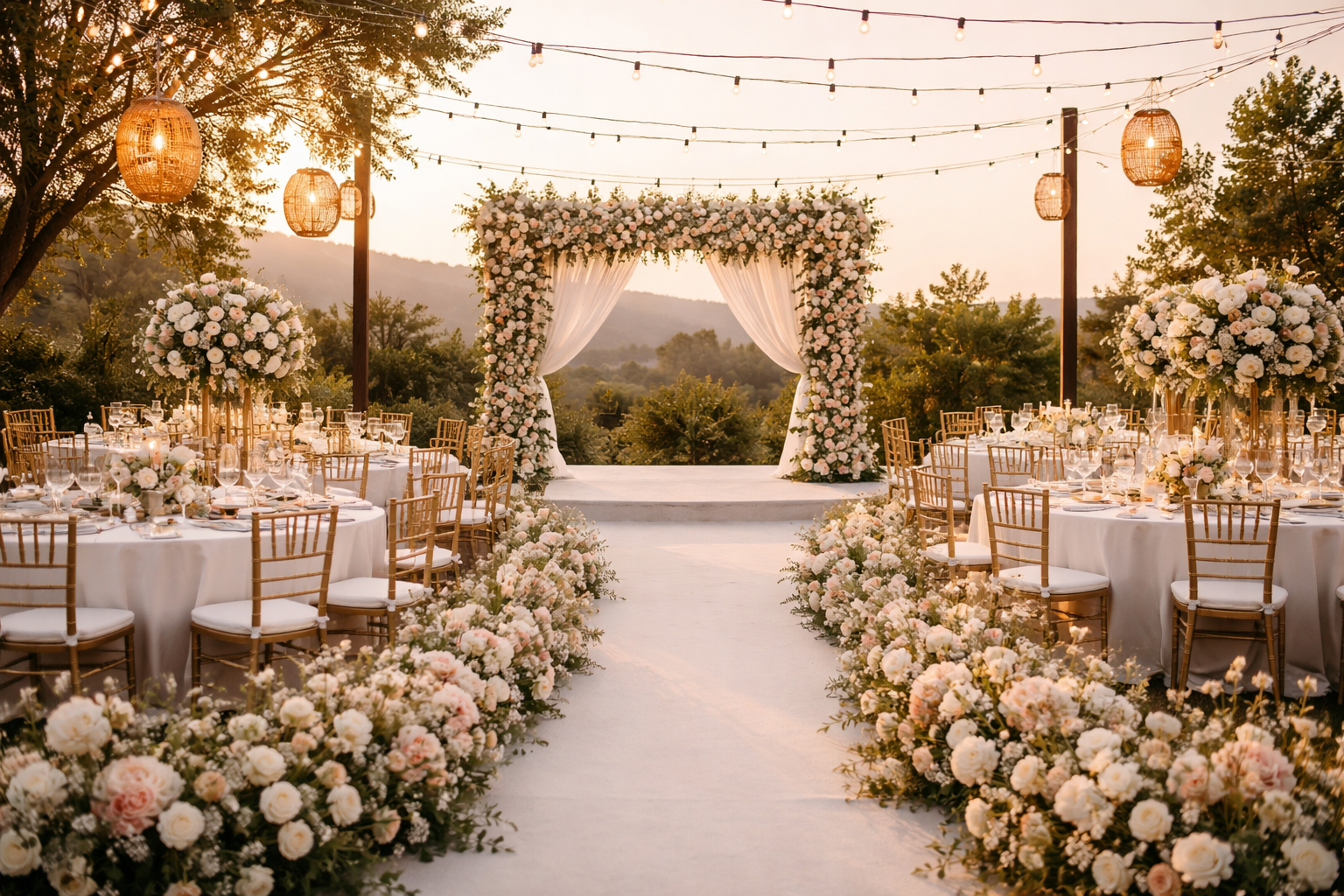
The venue should naturally align with your desired aesthetic. For example, a historic mansion may suit a classic wedding, while a vineyard or garden venue creates a more romantic and relaxed ambiance. Choosing a venue that already matches your theme can reduce decoration costs and simplify planning.
Think about the season as well. Outdoor venues are beautiful in spring and summer, while indoor venues offer comfort and reliability during colder months. Matching your vision with the right setting will help create a cohesive and memorable event.
Once you have a clear idea of your wedding style, it becomes much easier to narrow down venue options and make confident decisions.
Set a Realistic Budget Before Searching
Your wedding budget plays a significant role in determining which venues are within reach. Establishing a realistic spending plan before scheduling tours can save time and prevent disappointment.
Wedding venues often represent one of the largest expenses in the overall budget. Beyond the rental fee, there may be additional costs for catering, furniture, lighting, service staff, permits, security, or cleanup.
Create a detailed budget that includes all anticipated wedding expenses. Determine how much you can comfortably allocate to the venue while leaving room for other essentials such as photography, attire, flowers, entertainment, and transportation.
Ask venues for complete pricing information upfront. Some locations offer all-inclusive wedding packages that bundle multiple services together, potentially saving money and reducing planning stress. Others may charge separately for every service.
It’s also worth considering off-season dates or weekday weddings. Many venues offer discounted rates during less popular times, allowing couples to secure premium locations at a lower cost.
Having a clear budget helps you focus on venues that align with your financial goals and prevents overspending during the planning process.
Consider Guest Count and Venue Capacity
Your guest list directly influences the size and type of venue you’ll need. A venue that is too small can feel cramped, while an oversized space may seem empty and lacking atmosphere.
Before touring locations, create an estimated guest count. While the final number may change slightly, having a general idea helps narrow your options considerably.
Venue capacity affects more than seating arrangements. You’ll also need adequate space for dining, dancing, entertainment, cocktail areas, and guest movement throughout the event. Comfort should be a top priority.
When evaluating venues, ask about both maximum and minimum guest capacities. Some venues are designed specifically for large weddings, while others excel at intimate gatherings.
Parking availability, restroom facilities, and accessibility should also be considered. Guests should be able to navigate the venue comfortably regardless of age or mobility needs.
If you’re planning a destination wedding or hosting many out-of-town guests, proximity to hotels and transportation services becomes especially important. A convenient location enhances the overall guest experience and encourages attendance.
Choosing a venue that accommodates your guest list comfortably contributes significantly to a successful and enjoyable wedding celebration.
Evaluate Location, Accessibility, and Logistics
Location is often one of the most overlooked aspects when deciding how to choose a wedding venue. While aesthetics matter, practical considerations are equally important.
Think about how easy it will be for guests to reach the venue. Is it located near major highways, airports, or public transportation? Will guests have difficulty finding the location?
If your ceremony and reception are held at separate venues, consider travel time between locations. Long distances can create scheduling challenges and inconvenience guests.
Accessibility is another essential factor. Ensure the venue accommodates elderly guests, individuals with disabilities, and families with young children. Features such as ramps, elevators, and accessible restrooms can make a significant difference.
Weather contingency plans should also be discussed, especially for outdoor weddings. Ask whether indoor backup spaces are available in case of rain, extreme heat, or other unexpected conditions.
Additionally, verify vendor access policies. Some venues have preferred vendor lists, while others allow couples to hire their own professionals. Understanding these requirements early helps avoid complications later in the planning process.
Careful attention to logistics ensures that your wedding day runs smoothly from start to finish.
Ask the Right Questions During Venue Tours
A venue tour is your opportunity to gather important information and evaluate whether a location truly meets your needs. Going prepared with questions can help you make an informed decision.
Start by asking about availability for your preferred wedding date. Popular venues often book many months or even years in advance.
Request a detailed breakdown of all costs, including deposits, cancellation policies, overtime charges, and service fees. Transparency is crucial when comparing venues.
Ask what is included in the rental package. Some venues provide tables, chairs, linens, lighting, and coordination services, while others offer only the space itself.
Find out about setup and cleanup responsibilities. Understanding who handles these tasks can prevent unexpected stress on the wedding day.
It’s also beneficial to ask about restrictions regarding decorations, music, alcohol service, candles, photography locations, and event timing.
Pay attention to how venue staff communicate during your visit. Professional, responsive, and organized staff members often indicate a well-managed venue experience.
Taking notes and photos during tours can help you compare options later and make a confident final choice.
Conclusion
Learning how to choose a wedding venue involves balancing style, budget, guest comfort, and practical logistics. By defining your wedding vision, setting a realistic budget, considering guest capacity, evaluating accessibility, and asking detailed questions during venue tours, you’ll be better equipped to find the perfect setting for your celebration. The right venue not only creates a beautiful backdrop but also helps ensure a seamless and memorable experience for you and your guests. Take your time, compare your options carefully, and trust your instincts as you make this important decision.
Frequently Asked Questions
How far in advance should I book a wedding venue?
Most couples book their wedding venue 12 to 18 months in advance, especially for popular dates and locations.
What percentage of my wedding budget should go toward the venue?
Many wedding planners recommend allocating approximately 30% to 40% of your total wedding budget to the venue and catering combined.
Should I choose an indoor or outdoor wedding venue?
The choice depends on your style, season, and weather considerations. Outdoor venues offer natural beauty, while indoor venues provide greater weather reliability.
What should I ask during a venue tour?
Ask about pricing, capacity, availability, included services, vendor policies, setup procedures, parking, accessibility, and weather backup plans.
Can an all-inclusive wedding venue save money?
Yes. All-inclusive venues often bundle services such as catering, furniture, and coordination, which can reduce overall costs and simplify planning.


