


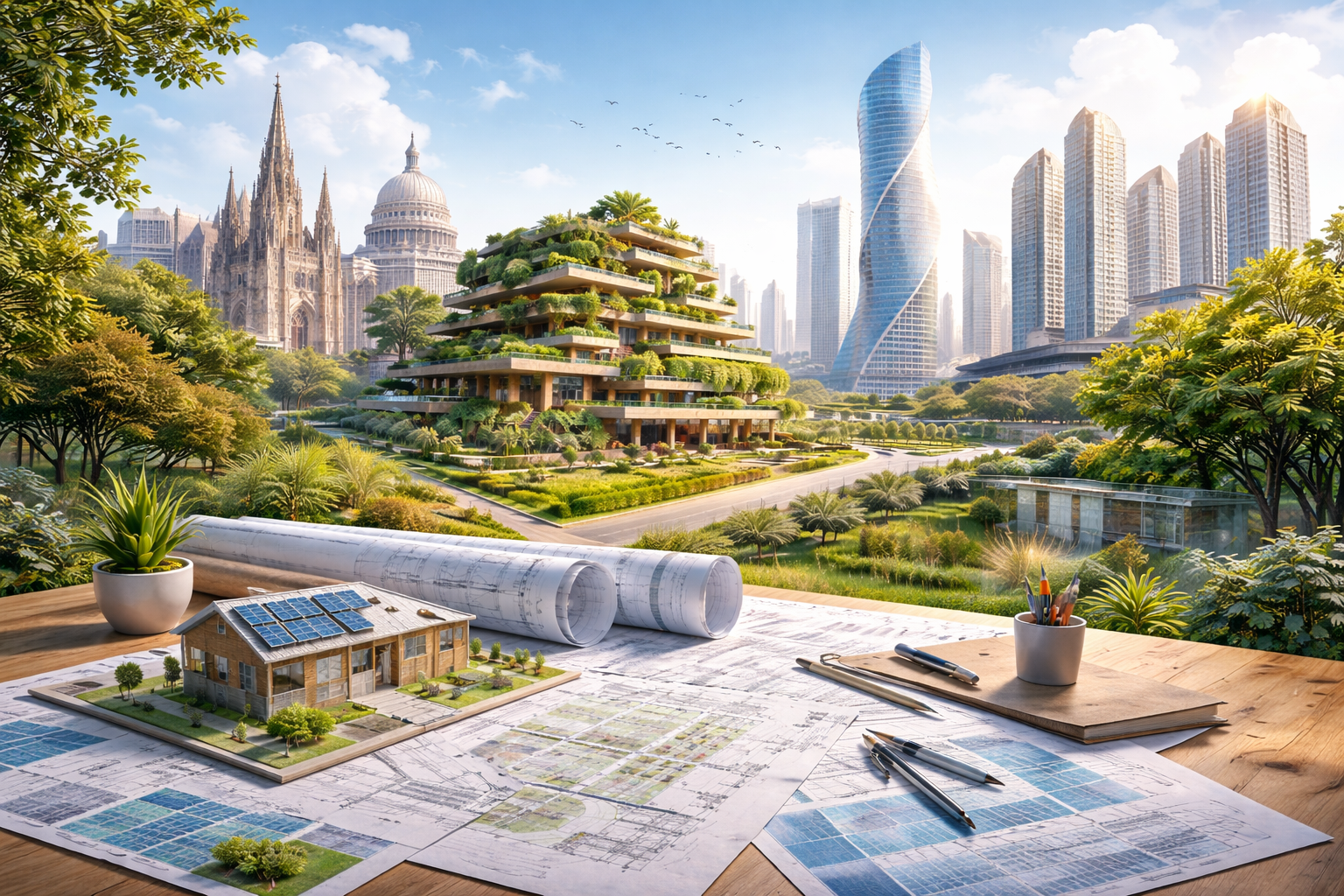
Introduction
Architecture is much more than the construction of buildings. It is the thoughtful combination of art, science, engineering, and human creativity to create spaces that serve practical needs while inspiring people. Throughout history, architecture has reflected cultural values, technological advancements, and societal priorities. From ancient temples and castles to modern skyscrapers and sustainable homes, architectural design has continuously evolved to meet changing lifestyles.
Today, architecture influences nearly every aspect of daily life. The homes we live in, the offices where we work, and the public spaces we enjoy are all products of architectural planning. Understanding architecture helps us appreciate how built environments shape our experiences, comfort, and well-being.
The Importance of Architecture in Society
Architecture plays a critical role in shaping communities and improving quality of life. Well-designed buildings provide safety, functionality, and aesthetic value while supporting economic and social development. Beyond shelter, architecture creates environments where people can connect, work, learn, and thrive.
One of the primary purposes of architecture is to solve practical problems. Architects carefully consider factors such as space utilization, structural integrity, climate conditions, and accessibility when designing buildings. These considerations ensure that structures are both functional and durable.
Architecture also serves as a form of cultural expression. Historic monuments, religious buildings, and civic landmarks often symbolize a society’s identity and values. Architectural styles can reveal insights into different eras, traditions, and technological capabilities.
In urban environments, thoughtful architectural planning contributes to sustainable growth. Mixed-use developments, pedestrian-friendly streets, and green spaces create healthier and more vibrant communities. As cities continue to expand, architects play an increasingly important role in designing spaces that balance functionality, sustainability, and human well-being.
Major Architectural Styles Through History
The history of architecture is marked by diverse styles that reflect different cultures and time periods. Each style has unique characteristics that influence modern design practices.
Classical architecture, originating in ancient Greece and Rome, is known for its symmetry, columns, and proportional design. Many government buildings and institutions today still draw inspiration from classical principles.
Gothic architecture emerged during the Middle Ages and is recognized by pointed arches, ribbed vaults, and soaring structures. Famous cathedrals showcase the grandeur and intricate detailing associated with this style.
The Renaissance period introduced a renewed focus on balance, harmony, and mathematical precision. Architects emphasized proportion and geometric order, creating elegant and enduring structures.
Modern architecture, which gained prominence in the twentieth century, prioritized simplicity and functionality. Clean lines, open floor plans, and innovative materials became defining features. The phrase “form follows function” became a guiding principle for many modern architects.
Contemporary architecture continues to evolve by incorporating advanced technologies, sustainable materials, and creative design solutions. Today’s buildings often combine elements from multiple styles while addressing environmental and social concerns.
Key Principles of Architectural Design
Successful architecture relies on several core design principles that guide the creation of functional and visually appealing spaces. These principles help architects achieve balance between aesthetics and practicality.
Functionality is one of the most important considerations. A building must effectively serve its intended purpose, whether it is a residential home, commercial office, educational institution, or healthcare facility. Efficient layouts improve usability and enhance occupant comfort.
Balance and proportion contribute to visual harmony. Architects carefully arrange elements such as windows, doors, and structural features to create cohesive compositions. Proper proportions make buildings feel inviting and well-organized.
Sustainability has become a central principle in modern architecture. Energy-efficient systems, natural lighting, renewable materials, and environmentally responsible construction methods reduce ecological impact while improving long-term performance.
Innovation also drives architectural progress. New technologies such as Building Information Modeling (BIM), smart building systems, and advanced construction techniques allow architects to create more efficient and adaptable structures.
Finally, user experience remains a critical factor. Successful architecture considers how people interact with spaces, ensuring comfort, accessibility, and emotional connection within the built environment.
Sustainable Architecture and Green Building Practices
As environmental concerns grow, sustainable architecture has become one of the most significant trends in the industry. Green building practices aim to minimize environmental impact while maximizing efficiency and occupant well-being.
Energy efficiency is a cornerstone of sustainable design. Architects incorporate features such as high-performance insulation, solar panels, energy-efficient windows, and smart climate control systems to reduce energy consumption. These measures lower operating costs and decrease carbon emissions.
Water conservation is another key focus. Rainwater harvesting systems, low-flow fixtures, and drought-resistant landscaping help reduce water usage in residential and commercial developments.
Sustainable architecture also prioritizes environmentally friendly materials. Recycled steel, reclaimed wood, bamboo, and low-emission construction products contribute to healthier indoor environments and reduced resource consumption.
Biophilic design has gained popularity as well. This approach integrates natural elements such as plants, natural light, and outdoor views into buildings. Research suggests that biophilic environments can improve productivity, reduce stress, and enhance overall well-being.
As governments and organizations adopt stricter environmental standards, sustainable architecture will continue to shape the future of construction and urban development.
The Future of Architecture
The future of architecture is being transformed by technological innovation, changing lifestyles, and environmental priorities. Architects are increasingly using digital tools to improve design accuracy and project efficiency.
Artificial intelligence, virtual reality, and 3D printing are revolutionizing the design process. These technologies enable architects to visualize projects more effectively, test design concepts, and streamline construction workflows.
Smart buildings are becoming more common. Integrated systems can automatically manage lighting, security, heating, and ventilation based on occupancy and environmental conditions. These features improve energy efficiency and user comfort.
Urbanization is also influencing architectural trends. As populations grow, architects must develop creative solutions for housing, transportation, and public infrastructure. Mixed-use developments and high-density living spaces are expected to become increasingly important.
Additionally, resilience is emerging as a major focus. Future buildings must withstand climate-related challenges such as extreme weather events, rising temperatures, and resource scarcity. Innovative materials and adaptive design strategies will help create more durable and sustainable communities.
Conclusion
Architecture is a dynamic field that combines creativity, engineering, and human-centered design to shape the world around us. From historic landmarks to innovative smart buildings, architectural achievements reflect the evolving needs and aspirations of society. As sustainability, technology, and urban growth continue to influence the industry, architects face exciting opportunities to create spaces that are both functional and inspiring. By understanding the principles and impact of architecture, we gain a deeper appreciation for the built environments that support everyday life and define our communities.
Frequently Asked Questions
What is architecture?
Architecture is the art and science of designing and constructing buildings and other physical structures that are functional, safe, and aesthetically pleasing.
Why is architecture important?
Architecture improves quality of life by creating functional spaces, supporting community development, and reflecting cultural values and identity.
What are the main types of architecture?
Major types include residential, commercial, industrial, landscape, interior, and sustainable architecture.
What is sustainable architecture?
Sustainable architecture focuses on environmentally responsible design practices that reduce energy consumption, conserve resources, and minimize environmental impact.
How is technology changing architecture?
Technology such as AI, 3D printing, virtual reality, and smart building systems is improving design efficiency, construction methods, and building performance


